
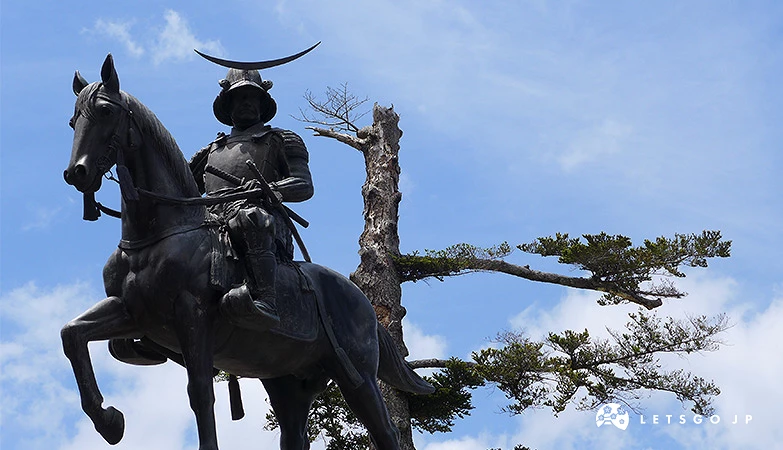
Sendai Castle Ruins (also known as Aoba Castle) was the residence built by Date Masamune and is one of Sendai's most representative historical attractions. From the elevated Honmaru ruins, visitors can see the Date Masamune equestrian statue and impressive stone walls up close while enjoying panoramic views over Sendai. The site is only about 23 minutes by bus from Sendai Station, making access very convenient. This guide covers the highlights, seasonal scenery, admission information, and other practical details to help you explore Sendai Castle Ruins with ease!
Recommended Reading:[Sendai Travel Guide]2026 Independent Travel Guide to Attractions, Transportation, Accommodation, and Food in Sendai, Japan
Introduction to Sendai Castle Ruins (Aoba Castle)

Sendai Castle, also known as “Aoba Castle,” was begun in 1601 by Date Masamune, the first lord of the Sendai Domain, and remained the residence of successive generations of the Date clan for about 270 years. Built on Mount Aoba, the castle stands at an elevation of about 131 meters, with a roughly 64-meter cliff on the eastern side dropping toward the Hirose River, forming a naturally defensible stronghold. According to tradition, Date Masamune deliberately chose not to build a castle keep to show Tokugawa Ieyasu that he had no hostile intentions, which is why Sendai Castle had no tenshukaku. Today, the site is designated a National Historic Site. Remaining features include stone walls and a reconstructed side turret, and the area is open to the public as a castle ruins park. The outdoor ruins are free to enter; only the Aoba Castle Museum and VR experience require admission fees.

Sendai Castle Ruins is a great choice for travelers interested in Japanese castles, Sengoku-period history, or Date Masamune, as well as first-time visitors to Sendai who want to see one of the city's signature attractions. Since the castle ruins are close to other central Sendai sights, they fit well into a half-day or full-day city itinerary for families, couples, or friends. Allow about 30 minutes to 1 hour for the outdoor ruins, or around 1.5 hours if you also visit the museum and try the VR experience. During cherry blossom or autumn foliage season, half a day is recommended if you want more time for photography.
Sendai Castle Ruins Transportation Guide
Most Recommended Transportation

For a first visit to Sendai Castle Ruins, the easiest option is to take the Sendai sightseeing loop bus “Loople Sendai” from JR Sendai Station. Board at Stop No. 16 at the West Exit Bus Terminal, and after about 23 minutes you will arrive at the “Sendai Castle Site” stop, right by the attraction. The route is simple and convenient, making it especially suitable for first-time independent travelers in Sendai.
【Transportation Routes to Sendai Castle Ruins】
| Departure Point | Transportation | Travel Time | Route Highlights |
|---|---|---|---|
| JR Sendai Station | Sightseeing Loop Bus Loople Sendai | Approx. 23 minutes | Sendai Station West Exit Bus Terminal → “Sendai Castle Site” Stop |
| JR Sendai Station | Subway Tozai Line Walk | Approx. 25 minutes | Take the subway to “International Center Station” Approx. 5 minutes by train → Then walk about 20 minutes |
| Sendai-Miyagi IC | Driving | Approx. 15–20 minutes | Exit the Tohoku Expressway → Head up Mount Aoba |
Bus Fares and How to Buy a One-Day Pass
The “Loople Sendai” sightseeing loop bus provides easy access to Sendai Castle Ruins. If you also plan to visit attractions along the route such as Zuihoden, the “Loople Sendai One-Day Pass” can help save on transportation costs. If you also plan to use the subway, choose the “Loople Sendai + Subway One-Day Pass,” which offers a flat fare on weekdays and holidays and allows unlimited use of Loople Sendai buses and the subway during the validity period. Loople Sendai generally runs every 20 minutes on weekdays and every 15 minutes on holidays; check the official website for the latest timetable.
| Type | Adult | Child |
|---|---|---|
| Loople Sendai One-Way Fare | ¥260 | ¥130 |
| Loople Sendai One-Day Pass | ¥630 | ¥320 |
| Loople Sendai Subway Combination One-Day Pass | ¥920 | ¥460 |
Parking Information for Driving to Sendai Castle Ruins
Paid parking is available near Sendai Castle Ruins, making driving convenient. However, spaces can fill up quickly on weekends, holidays, and during peak periods such as cherry blossom season, sometimes requiring a wait. If you are worried about losing time searching for parking, you can leave your car at a parking lot in central Sendai and take the “Loople Sendai” bus instead. This avoids parking hassles and makes it easier to connect multiple city attractions.
Hiking and Bear Safety at Sendai Castle Ruins

Sendai Castle Ruins is located on Mount Aoba. If you take the “Loople Sendai” bus to “Sendai Castle Site,” you will first see the stone torii gate of Miyagi Gokoku Shrine after getting off. Continue forward and you will soon reach the remains of the Honmaru Great Hall, meaning the bus brings you almost directly to the main enclosure without requiring an uphill climb. If you walk from the subway station, however, be prepared for uphill sections. Bear warning notices are occasionally posted around Mount Aoba, so pay attention to local signs and alerts, and avoid entering secluded forest roads alone in the early morning or evening.
Visitor Information for Sendai Castle Ruins
Difference Between Free and Paid Areas

One of the most confusing things about Sendai Castle Ruins is the admission system. The outdoor ruins are free and open all day, including the Date Masamune equestrian statue, stone walls, Honmaru viewpoint, Sendai Castle Guidance Center, and Miyagi Gokoku Shrine. If you only want to see the statue and stone walls, no ticket is needed. Tickets are only required for the indoor “Aoba Castle Museum” and “Sendai Castle VR Go.” You can decide whether to add these indoor attractions and the VR experience according to your interests.
Sendai Castle Ruins Opening Hours
Sendai Castle Ruins is generally open year-round, with only a few closure days each year for facility maintenance. The outdoor ruins can be visited freely at any time, and the city-operated “Sendai Castle Guidance Center” is also free to enter. The “Aoba Castle Museum,” however, has seasonal opening hours, so it is recommended to check the official website before your visit to avoid arriving when the facility is closed.
| Area | Opening Hours | Highlights |
|---|---|---|
| Outdoor Castle Ruins | 24 Hours | Date Masamune Equestrian Statue Honmaru Great Hall Ruins Miyagi Gokoku Shrine Panoramic Views of Sendai |
| Sendai Castle Guidance Center | 9:00〜17:00 | Recreated Wall Paintings Model of the Honmaru Great Hall Archaeological and Stone Wall Findings |
| Aoba Castle Museum | 【April–October】 9:00〜17:00 【November–March】 9:00〜16:00 | 3D CG Virtual Reconstruction Valuable Historical Artifacts Archaeological Displays Related to the Castle Ruins |
Aoba Castle Museum Admission
The Aoba Castle Museum includes the “Sendai Castle” computer-animation theater (CG Theater) and the “Sendai Castle VR Go” experience, allowing visitors to see how the castle once looked. “Sendai Castle VR Go” is closed every Wednesday, and the VR package that includes museum admission is also not sold on Wednesdays, so plan your visit for another day if you want to try it. The site also has the “Sendai Castle Guidance Center,” which is a different facility from the Aoba Castle Museum, so be careful not to confuse the two.
| Item | Adult | Junior/Senior High School Student | Elementary School Student |
|---|---|---|---|
| Museum | ¥770 | ¥550 | ¥330 |
| Sendai Castle VR Go | ¥880 | ¥660 | ¥550 |
| Combination Ticket (Museum + VR Go) | ¥1,430 | ¥1,100 | ¥770 |
Recommended Order for Visiting Sendai Castle Ruins
It is recommended to enter around the Otemon Gate ruins and reconstructed side turret, then follow the stone walls toward the Honmaru ruins. Following the route below keeps the visit smooth and lets you see the main highlights of Sendai Castle Ruins efficiently.
Otemon Gate Ruins
↓
Stone Walls
↓
Honmaru Ruins (Great Hall Ruins, Date Masamune Equestrian Statue)
↓
Miyagi Gokoku Shrine
↓
Aoba Castle Museum (Paid)
↓
Finish with panoramic views of Sendai from the Honmaru viewpoint
Sendai Castle Gojoin

If you are a castle enthusiast visiting Japan's famous castles or a traveler who likes collecting limited-edition souvenirs, you can purchase a “Sendai Castle Gojoin” at the shop inside Honmaru Hall. In addition to the standard design, special editions are released from time to time, so each visit may bring something new. For goshuin and omamori, visit Miyagi Gokoku Shrine within the Honmaru ruins. A Japan Top 100 Castles stamp is also available at a designated location within the site; check on-site notices for the latest collection and stamping location.
Map and Walking Route Around Sendai Castle Ruins
One-Day Itinerary Around Sendai Castle Ruins
10:00 “Sendai Station” Stop
Take the Loople Sendai Bus
↓
10:13 Arrive at “Zuihoden-mae” Stop
↓
10:15–11:30 Visit Zuihoden
↓
11:33 Take the Loople Sendai Bus
↓
11:43 Arrive at “Sendai Castle Site” Stop
↓
11:45–12:30 Walk Around Sendai Castle Ruins
↓
12:30–13:30 Lunch at Aoba Castle Food Court
↓
13:30–15:00 Aoba Castle Museum
↓
15:03 Take the Loople Sendai Bus
↓
15:47 Arrive at “Sendai” Station
↓
16:00– Souvenir Shopping and Dinner at the Station
5 Must-See Highlights at Sendai Castle Ruins
Honmaru Ruins

The “Honmaru Ruins” form the central area of Sendai Castle. The Date Masamune equestrian statue, the impressive northern Honmaru stone wall, and the viewpoint overlooking Sendai are all concentrated here. Although the original castle buildings no longer remain, walking through the ruins still gives a sense of the grand scale of Sendai Castle when it served as the Date clan's residence.
Date Masamune Equestrian Statue

The “Date Masamune Equestrian Statue” standing at the Honmaru ruins is Sendai Castle's most iconic landmark and a classic photo spot. From in front of the statue, you can look out over Sendai in the same direction as Date Masamune. If you visit in the evening, you can also enjoy the night view after the statue and the northern Honmaru stone wall are illuminated. (Check official announcements for lighting times.)
Northern Honmaru Stone Wall

The “Northern Honmaru Stone Wall,” built with massive stones using distinctive stacking techniques, reaches up to 17 meters high and remains well preserved. Visitors can examine the historical castle-building methods up close. Continue through the Honmaru ruins to the “Honmaru Viewpoint,” where wide views of central Sendai open up before you. On clear days, you may even see as far as the Pacific Ocean. The viewpoint is free to access.
Otemon Gate

Although the original “Otemon Gate,” the main entrance to Sendai Castle, was lost to wartime destruction, the remaining ruins and reconstructed side turret still convey the appearance of the former castle gateway. Entering the ruins from this area lets you follow the stone walls toward the Honmaru ruins, and it is also a good spot for castle photography. Many visitors begin their Sendai Castle visit here.
Aoba Castle Museum

If you want to see how the lost buildings of Sendai Castle once looked, visit the “Aoba Castle Museum.” A 300-inch large-screen computer-animation theater recreates the former castle, while “Sendai Castle VR Go” lets you wear a VR headset and virtually explore the Honmaru, offering a special way to experience structures that no longer exist. Admission to the museum requires a fee, and VR Go costs extra, but the immersive reconstruction makes it a worthwhile experience.
Cherry Blossoms, Autumn Foliage, and Night Illumination at Sendai Castle Ruins
Spring Cherry Blossoms

In spring, Sendai Castle Ruins offers views of cherry blossoms combined with historic castle scenery. The best viewing period is usually from mid- to late April. When the blossoms are in full bloom, you can photograph the soft pink flowers together with the Date Masamune equestrian statue, with broad views of Sendai in the distance creating a beautiful blend of history and nature. If you visit Sendai in spring, consider adding the castle ruins to a city route combining cherry blossoms and historical attractions.
In addition to Sendai Castle Ruins, Sendai has many other cherry blossom spots worth visiting. The guide below selects 13 must-see locations, with each spot's highlights and best viewing periods to help you plan a spring trip to Sendai.
Autumn Foliage

In autumn, the trees around Sendai Castle Ruins and Miyagi Gokoku Shrine turn shades of red and yellow, with the best foliage usually appearing from early to mid-November. Mount Aoba itself also gradually takes on colorful autumn tones, creating attractive scenery where the stone walls meet the forest. Compared with the softer atmosphere of spring blossoms, autumn brings a calmer, more historic mood, making it an excellent season for photography.
Tohoku's autumn scenery is worth enjoying at a slower pace. In addition to popular foliage spots in Sendai, the guide below also covers major autumn destinations across Tohoku, from famous urban photo spots to quiet mountain locations, helping you plan an easy foliage-viewing trip and enjoy the region's seasonal beauty.
Night Illumination and Night Views

Sendai Castle Ruins has a different charm after dark. From sunset until 23:00, the illuminated Date Masamune equestrian statue and Honmaru stone walls combine with the city lights of Sendai in the distance, creating a striking contrast between historic ruins and the modern nightscape. The Honmaru viewpoint is also one of Sendai's well-known night-view spots and is ideal for visiting around sunset to enjoy both twilight and the city lights. Illumination times may change, so check the official website in advance and follow the actual schedule posted on site.
Attractions Near Sendai Castle Ruins
Before or after visiting Sendai Castle Ruins, you can extend your itinerary into central Sendai and combine Date-family historical attractions with local food. Below are two common additions that can be arranged according to your interests and schedule, making it easy to plan a route around Sendai Castle Ruins.
Zuihoden

“Zuihoden” is the mausoleum of Date Masamune and is known for its ornate Momoyama-style architecture and solemn, peaceful atmosphere. Because both Zuihoden and Sendai Castle Ruins lie along the “Loople Sendai” sightseeing loop bus route, they are easy to visit on the same day. Using the bus to connect the two sites creates a convenient itinerary for learning more deeply about Date Masamune and Sendai's history.
Sendai Station

After visiting Sendai Castle Ruins and nearby historical attractions, it is recommended to return to “Sendai Station.” The station is home to many gyutan restaurants where you can try Sendai-style charcoal-grilled beef tongue. After your meal, head to the souvenir area for local specialties such as zunda sweets and Hagi no Tsuki to finish the day. For must-try food, desserts, and souvenirs inside Sendai Station, see the “Sendai Station Food Guide” below.
Beyond Sendai Castle Ruins, Sendai offers many attractions and foods worth adding to your itinerary. The “Complete Sendai Travel Guide” below highlights major sightseeing spots, must-try dishes, and practical information on airport and city transportation, making it easy to plan a trip whether it is your first visit or a return journey for deeper exploration.
Sendai Castle Ruins is not only a historical site for learning about Sendai's past, but also a popular viewpoint over the city and a classic place to see the Date Masamune equestrian statue. Whether you are a fan of Japanese castles or a first-time visitor looking for iconic Sendai scenery, the ruins are well worth adding to your trip. A relaxed half-day visit is ideal for experiencing this classic cultural landscape.
Sendai Castle Ruins FAQ
1. Do You Need a Ticket to Visit Sendai Castle Ruins (Aoba Castle)?
The outdoor areas of Sendai Castle Ruins are free to visit, including the Date Masamune equestrian statue, stone walls, Honmaru viewpoint, Sendai Castle Guidance Center, and the grounds of Miyagi Gokoku Shrine. If you want to learn more about the castle's history, you can separately purchase admission to the “Aoba Castle Museum” and the paid “Sendai Castle VR Go” experience.
2. What Is the Most Convenient Way to Get from Sendai Station to Sendai Castle Ruins?
If you want to experience both Sendai and the history of the Date clan, combine Sendai Castle Ruins with Zuihoden, which is also located along the “Loople Sendai” route, for a classic Date-family history itinerary. After visiting both sites, return to Sendai Station to enjoy Sendai's famous gyutan and shop for souvenirs. The route is convenient and packed with highlights.
3. What Can You Visit on the Same Day as Sendai Castle Ruins?
If you want to experience both Sendai and the history of the Date clan, combine Sendai Castle Ruins with Zuihoden, which is also located along the “Loople Sendai” route, for a classic Date-family history itinerary. After visiting both sites, return to Sendai Station to enjoy Sendai's famous gyutan and shop for souvenirs. The route is convenient and packed with highlights.
4. How Much Is Admission to the Aoba Castle Museum, and What Are the Opening Hours?
Admission to the “Aoba Castle Museum” is ¥770 for adults and university students, ¥550 for junior and senior high school students, and ¥330 for elementary school students. Opening hours vary by season: 9:00–17:00 from April to October and 9:00–16:00 from November to March, with ticket sales ending before closing. Hours may change, so check the official website before your visit.
5. Does Sendai Castle Still Have a Castle Keep, and How Long Should You Spend There?
Sendai Castle was originally built without a castle keep, so there is no tenshukaku to visit today. The main surviving features are the stone walls and reconstructed side turret. To learn what the castle once looked like, visit the museum's computer-animation theater or try “Sendai Castle VR Go.” The outdoor ruins alone take about 30 minutes to 1 hour, while adding the indoor facilities brings the total to around 1.5 hours. During cherry blossom or autumn foliage season, half a day allows more time for photos.
6. Are There Bears Around Sendai Castle Ruins?
Bear warning notices are occasionally posted around Mount Aoba, so visitors should pay attention to current information on site. During the daytime, staying on the main sightseeing routes is generally appropriate, but if you plan to enter more secluded forest roads, avoid early morning and evening and do not go alone. Check the latest notices when you arrive and adjust your itinerary according to local conditions.