
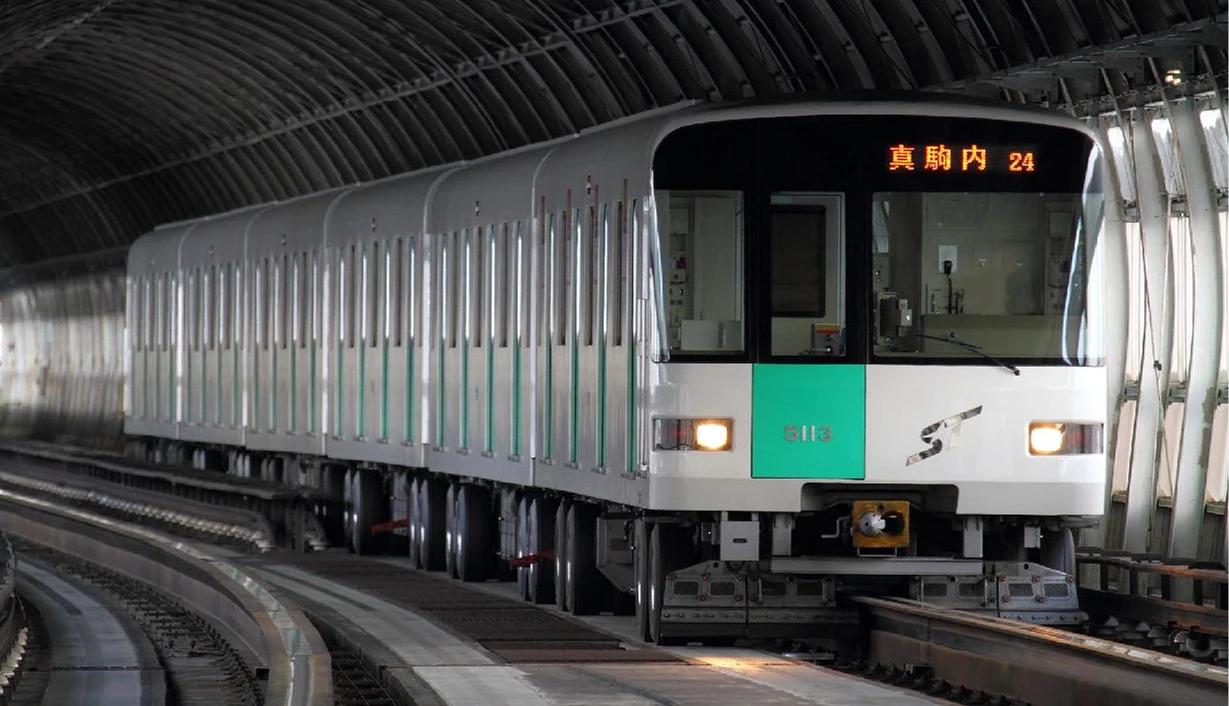
Planning a Sapporo trip and feeling confused by the city's many transportation options? The only subway system in all of Hokkaido is the Sapporo Municipal Subway, which consists of the Namboku, Tozai, and Toho lines. This guide covers the latest official route map, major attractions and transfer points on each line, the differences between the subway, JR, and the streetcar (tram), how to use one-day passes, and transportation between New Chitose Airport and central Sapporo—making Hokkaido (Sapporo) transportation easy to understand!
Hokkaido Subway Map (Sapporo Municipal Subway Map)

When you first search for a “Hokkaido subway map,” what you are actually looking at is the Sapporo Municipal Subway map. The entire system has only three lines: the Namboku, Tozai, and Toho lines. Once you know that all three lines meet at Odori Station, that the Namboku and Toho lines connect at Sapporo (さっぽろ) Station, and the route colors and English letter codes (N green / H blue / T orange), the network becomes easy to understand. Use the table below for each line's terminal stations, number of stations, and major attractions.
| Line (Code) | Route Color | Operating Section (Terminal Stations) | Number of Stations | Major Destinations / Highlights |
|---|---|---|---|---|
| Namboku Line (N,N01〜N16) | Green | Asabu (あさぶ) ↔ Makomanai (真駒内) | 16 stations | Sapporo Odori Susukino Tanukikoji Odori Park Hokkaido University |
| Tozai Line (T,T01〜T19) | Orange | Miyanosawa (宮の沢) ↔ Shin-Sapporo (新さっぽろ) | 19 stations | Maruyama Park Maruyama Zoo Hokkaido Shrine Odori Shiroi Koibito Park |
| Toho Line (H,H01〜H14) | Blue | Sakaemachi (栄町) ↔ Fukuzumi | 14 stations | Sapporo Dome Sapporo Odori Sapporo Beer Museum |
Note that the Tozai Line (orange line) does not stop at Sapporo (さっぽろ) Station.
Sapporo City Transportation Bureau Official Website: Subway maps, station information, timetables, and more
How to Tell the Sapporo Subway, JR, and Streetcar Apart

Rail transportation in Hokkaido can essentially be divided into three systems. JR Hokkaido handles intercity travel, including airport services to and from New Chitose Airport and trains to destinations such as Otaru, Hakodate, and Asahikawa. The Sapporo Municipal Subway has only three lines—the Namboku, Tozai, and Toho lines—and is dedicated to transportation within Sapporo. The streetcar is a tram system used mainly for sightseeing around the city. The easiest point to confuse is that JR and the subway are separate systems, so their tickets and ticket gates are not shared. When taking JR from New Chitose Airport to Sapporo Station and transferring to the subway, you must first exit the JR ticket gates and then enter the subway gates separately.

Sapporo Subway Fares and One-Day Passes
If you plan to visit popular areas such as Odori, Susukino, Maruyama Park, and Sapporo Station, it helps to understand how single fares are calculated before deciding whether a one-day pass is worthwhile. Below is a summary of single fares, one-day passes, and holiday discount tickets, helping you choose the most economical option and save more of your travel budget for food and shopping!
Subway Fares

Sapporo subway fares are distance-based. Adult single fares range from ¥210 to ¥380, while children's fares range from ¥110 to ¥190. For most travelers moving between popular central Sapporo stations such as Odori, Sapporo, Susukino, and Maruyama Park, fares are usually around ¥210–¥290. If you are unsure of the exact fare, use the official fare search tool (料金検索) before departure to check your origin and destination and get the most accurate price.
How to Save with a One-Day Pass

The Sapporo subway also offers one-day passes for unlimited exploration of the city. The “Subway One-Day Pass” allows unlimited rides on all subway lines for one day and costs ¥830. There is also a holiday-only one-day pass, the “Donichika Ticket” (ドニチカキップ), designed for weekends, national holidays, and the New Year period from December 29 to January 3, priced at only ¥520. Both passes are valid only on the subway and can currently be purchased with cash only at subway ticket machines or station counters; IC card balances and credit cards cannot be used. If you plan to take the subway three or more times in one day, these passes can be a great deal!
In addition, from March 26, 2026, the Sapporo subway introduced a contactless fare-capping service (クレカ乗車) for tap-to-pay travel. Passengers can tap in and out using a contactless credit card, debit card, or a configured smartphone or smartwatch. Once the day's accumulated fares reach the price of a one-day pass, the fare is automatically capped, so there is no need to buy a pass in advance. This is especially convenient for travelers from Taiwan and Hong Kong carrying contactless Visa, Mastercard, or JCB cards. (※ Note: the contactless fare-capping service applies only to the Sapporo subway and adult fares. Different devices using the same card number—such as the physical card, phone, and watch—are not combined for fare calculations.)
| Pass | Adult Price | Child Price | Valid Period | Break-Even Point |
|---|---|---|---|---|
| Subway-Only One-Day Pass | ¥830 | ¥420 | Every day (Including weekdays) | ¥290 Pays off after 3 rides |
| Holiday Subway Pass (ドニチカキップ) | ¥520 | ¥260 | Saturdays and Sundays only National holidays New Year period (12/29〜1/3) | Lowest fare ¥210 Pays off after 3 rides |
Besides the subway one-day pass, what other day passes can help you explore Hokkaido? The guide below from “Let's Go! Japan” helps you choose the most economical transportation pass based on your itinerary!
Attractions Along the Sapporo Subway Lines
Once you understand the Sapporo subway, you can easily connect most of the city's popular attractions. It is recommended to carry a nationwide interoperable IC card such as Suica or ICOCA, which can be used directly on the Sapporo subway, JR, streetcars, and most city buses without purchasing another transit card. The local SAPICA card offers a 3% ride reward, but it is a regional card and generally cannot be used outside Hokkaido, making it more suitable for long-term visitors or frequent riders. Short-term travelers can simply use an existing nationwide IC card. Most major attractions in central Sapporo are within walking distance of a subway station, so you can easily plan your route using the lines and station names in the table below. For places not directly accessible by subway, such as Mount Moiwa and the Hitsujigaoka Observation Hill, see the “Streetcar and Bus” section below.
| Subway Line | Subway Station | Nearby Attractions |
|---|---|---|
| Namboku Line Tozai Line Toho Line | Odori Station | Odori Park Sapporo TV Tower Sapporo Clock Tower Former Hokkaido Government Office Building (Red Brick Office) |
| Namboku Line Toho Line JR | Sapporo Station (さっぽろ) | Daimaru Department Store STELLAR PLACE Sapporo Underground Shopping Areas connecting to Odori and Susukino |
| Namboku Line | Susukino Station (すすきの) | Susukino Entertainment District Tanukikoji Shopping Street Nikka Whisky Sign (Popular Photo Spot) |
| Namboku Line | Kita 12-jo Station (北12条) | Hokkaido University Ginkgo Avenue |
| Tozai Line | Maruyama Koen Station (円山公園) | Maruyama Park Hokkaido Shrine Maruyama Zoo |
| Tozai Line | Miyanosawa Station (宮の沢) | Shiroi Koibito Park |
If you want to plan a more complete Sapporo trip, do not miss the next guide! It brings together must-visit attractions, recommended accommodation, food lists, and suggested itineraries, with ideas suitable for both first-time visitors and travelers looking for a deeper experience.
Hokkaido's New Chitose Airport Also Has a Train Station
JR Rapid Airport Reaches Sapporo in as Little as 36 Minutes

New Chitose Airport is Hokkaido's largest international gateway, with direct flights from both Taiwan and Hong Kong. After arrival, the main options for reaching central Sapporo are JR trains and airport buses. The most convenient option is New Chitose Airport Station, located on the basement level of the domestic terminal, which can be reached by following the signs without going outside. JR Rapid Airport trains run frequently during the day, with around six services per hour. They reach Sapporo Station in about 40 minutes and also provide through service to Otaru, making them especially convenient for independent travelers. From March 14, 2026, all JR limited express trains (such as Hokuto and Ozora) switched to reserved seating throughout, but Rapid Airport trains continue to offer non-reserved seating, with optional reserved U Seat (uシート) upgrades. The table below compares travel times and fares between JR and airport buses to and from Sapporo:
| Transportation | Travel Time | One-Way Fare | Best For |
|---|---|---|---|
| JR Rapid Airport (快速エアポート) | Approx. 37 minutes Direct, no transfer | Non-reserved seat Adult ¥1,230 | Frequent services and faster travel Avoiding traffic congestion |
| Airport Bus | Approx. 65–80 minutes No need to carry luggage during transfers | Adult ¥1,500 | Travelers with lots of luggage Some routes stop in front of hotels |
In addition to transportation, New Chitose Airport is one of Hokkaido's most popular destinations for food and shopping. Want to know what to eat, buy, and explore? Follow “Let's Go! Japan” and discover why many travelers consider it one of the best airports in Japan for shopping!
Other Transportation in Sapporo, Hokkaido
Streetcar (Tram) and Buses

In addition to the subway and JR, Sapporo also has streetcars (trams) and buses. Since the streetcar network was converted into a loop in 2015 (ループ化), it has operated around the southwestern part of central Sapporo with a flat fare of ¥230 for adults and ¥120 for children, regardless of distance. It is convenient for reaching attractions such as Nakajima Park and the Mount Moiwa Ropeway entrance. For suburban attractions that cannot be reached directly by subway, such as Moerenuma Park and the Hitsujigaoka Observation Hill, you can use Chuo Bus or JR Hokkaido Bus. Since service frequencies and holiday timetables may vary, check the latest schedule before departure.
If you want to use the streetcar to explore local attractions such as Miyoshi Shrine and the Mount Moiwa night view, an even better-value streetcar-only one-day pass is available on weekends and holidays. See the “Sapporo Streetcar Weekend One-Day Pass” guide below for suggested routes and attractions along the line; for the subway one-day pass, refer to the earlier “One-Day Pass” section.
Now that we have covered the common transportation options in central Sapporo, their different uses should be much clearer. Just remember these three simple rules: “Take the subway around the city, use streetcars and buses for nearby areas, and rely on JR for airport transfers.” Add a nationwide interoperable IC card, and getting around is much simpler than it may first seem!
Frequently Asked Q&A
1. Does Hokkaido Have a Subway?
Yes. However, the only subway system in all of Hokkaido is the Sapporo Municipal Subway, which has just three lines: the Namboku, Tozai, and Toho lines. Other cities such as Hakodate, Asahikawa, and Otaru do not have subways, so searching for a “Hokkaido subway map” essentially means looking at the Sapporo subway map.
2. How Many Subway Lines Does Sapporo Have, and Where Can I Find an English Sapporo Subway Map?
The Sapporo Municipal Subway has three lines: the Namboku, Tozai, and Toho lines. The official website provides downloadable route maps in both Japanese and English. Simply remember the three letter codes N, T, and H, along with their line colors and station numbers, and the system is easy to navigate.
3. How Much Does the Sapporo Subway Cost, and Is a One-Day Pass Worth It?
Adult single fares on the Sapporo subway range from ¥210 to ¥380. If you plan to visit several attractions in one day, a one-day pass is recommended: ¥830 on regular days and ¥520 on eligible holidays. Both are valid only on the subway and currently must be purchased with cash.
4. Can I Use Suica or ICOCA in Sapporo, Hokkaido? Can I Tap a Credit Card to Ride the Subway?
Yes. Nationwide interoperable IC cards such as Suica and ICOCA can be used on the Sapporo subway, JR, and most buses. From March 2026, the subway also supports contactless credit-card and mobile payments, with automatic daily fare capping.
5. Does the Sapporo Subway Have an Official App or Route Planner? Which Attractions Can I Reach by Subway?
You can use common route-planning apps to plan your journey. The key thing to remember is that Odori Station connects all three subway lines. Popular attractions such as Odori Park, Tanukikoji, Susukino, Hokkaido Shrine, and Shiroi Koibito Park can all be reached by subway followed by a short walk.
6. How Long Does It Take and How Much Does It Cost to Travel from New Chitose Airport to Sapporo?
The fastest way from New Chitose Airport to Sapporo is the JR Rapid Airport train. A one-way non-reserved adult fare is ¥1,230, and the fastest journey takes about 36–37 minutes. The airport bus takes around 65–77 minutes and costs about ¥1,500.