
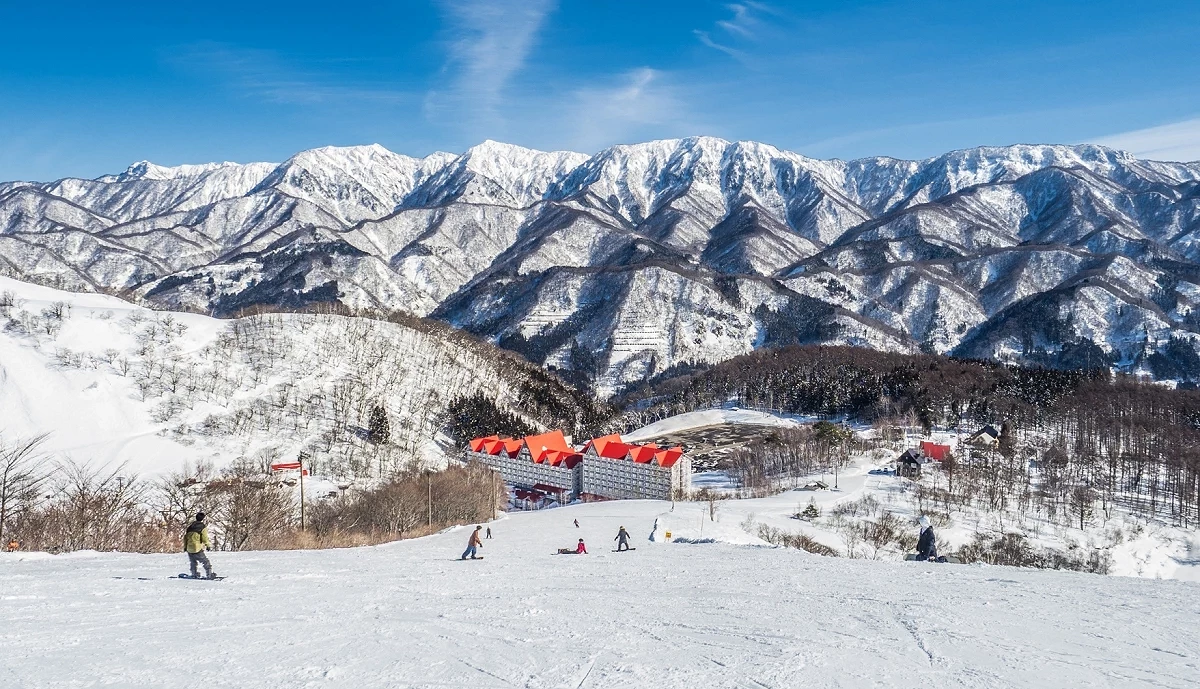
Hakuba, located at the foot of the Northern Japanese Alps in northwestern Nagano Prefecture, is one of Japan's leading mountain and ski resort destinations and was also a venue for the 1998 Nagano Winter Olympics. In winter, visitors can ski and soak in hot springs; in summer, Happo Pond is ideal for hiking; in autumn, the mountains are covered in colorful foliage; and attractions such as Iwatake Mountain Harbor offer spectacular alpine views. This guide covers transportation, accommodation, hot springs, ski resorts, and seasonal attractions to help you plan an independent trip to Hakuba.
Introduction to Hakuba Village
Where Is Hakuba Village?

Hakuba Village is located in Kitaazumi District in northwestern Nagano Prefecture, at the foot of the Northern Japanese Alps. The village is centered around a basin crossed by the Himekawa River, while the Hakuba mountain range and other high peaks rise to the west, creating a valley surrounded by mountains. At an elevation of around 700 meters, the climate is generally cool. In winter, cold air from the Sea of Japan brings heavy snowfall, creating excellent conditions for ski tourism, while summers are relatively cool and suitable for hiking, climbing, and other outdoor activities. The scenery changes with the seasons, making Hakuba a year-round destination for enjoying the Northern Alps and the surrounding natural landscape.
Venue of the 1998 Nagano Winter Olympics

Hakuba gained international attention during the 1998 Nagano Winter Olympics, when alpine skiing, ski jumping, and other events were held in the village. This helped the mountain town develop into a world-famous ski resort. Hakuba Valley has numerous ski areas and a wide variety of runs, attracting skiers from around the world in winter with its high-quality powder snow. In spring, summer, and autumn, visitors can switch to mountain climbing, hiking, and alpine sightseeing, making Hakuba a mountain resort worth visiting throughout the year.
Hakuba Village Transportation Guide
Tokyo to Hakuba
| Transportation | Route | Travel Time |
|---|---|---|
| Shinkansen + Bus (Fastest) | Tokyo Station → Hokuriku Shinkansen → Nagano Station → Alpico Express Bus → Hakuba | About 3 hours |
| Direct Highway Bus (Easiest) | Shinjuku (Busta Shinjuku) and other locations → Highway Bus → Hakuba | About 5–6 hours |
※ During ski season, travelers carrying skis, snowboards, or other large luggage can look for direct shuttle buses between Narita Airport or Haneda Airport and Hakuba, avoiding multiple transfers.
※ Before departure, be sure to check the ALPICO official website for the latest schedules, fares, and reservation information.

Nagano and Matsumoto to Hakuba
| Transportation | Route | Travel Time |
|---|---|---|
| Express Bus (Nagano Station) | Nagano Station East Exit → Alpico Express Bus → Hakuba | About 1 hour–1 hour 10 minutes |
| JR Oito Line (Matsumoto Station) | Matsumoto Station → JR Oito Line → Hakuba Station | About 1.5 hours |
| Driving (Rental Car from Nagano) | Exit the Joshin-Etsu Expressway at Nagano IC → Hakuba | About 1 hour |
※ From Nagoya to Hakuba, take the JR Limited Express Shinano to Matsumoto, then transfer to the JR Oito Line for Hakuba. Total travel time is about 4 hours.
※ If driving in winter, Hakuba receives heavy snowfall and roads can easily freeze. Be sure to use winter tires or carry snow chains depending on road conditions.
Getting Around Hakuba Village
| Transportation | Best For | Details |
|---|---|---|
| JR Oito Line | Travel between major areas around Hakuba Station | Connects the village with Hakuba Station as the main hub |
| Shuttle Bus | Travel to major ski resorts and trailheads | Operates seasonally, with the most frequent service during ski season and the summer hiking season |
| Taxi | When short on time or sharing the fare with a group | Not restricted by fixed timetables |
Hakuba Ski Resort Guide

The “Hakuba Ski Area” refers to the Hakuba Valley ski region spanning Hakuba Village, Otari Village, and Omachi City in Nagano Prefecture, with 10 ski resorts offering different characteristics. Options range from gentle slopes for beginners to powder snow, steep terrain, and long runs for advanced skiers, allowing visitors to choose according to skill level and group needs. Hakuba Valley also offers an all-mountain pass system. The All-Mountain Day Pass provides access to all 10 ski areas and includes free use of the Hakuba Valley shuttle bus on the day of skiing, making it easy to experience multiple resorts. Below are several of the most popular ski areas, with their main features and recommended visitor types.
| Ski Resort | Main Features | Beginner-Friendly | Distance (from JR Hakuba Station) | |
|---|---|---|---|---|
| 1 | Hakuba Happo-One | Largest resort; 1998 Winter Olympics venue; known for long intermediate and advanced runs | △ | About 30 minutes by bus |
| 2 | Hakuba Goryu & Hakuba47 | The two resorts are connected at the summit; Hakuba47 has a long season and night skiing | ○ | About 30 minutes by train |
| 3 | Hakuba Iwatake | Spectacular Mountain Harbor views at the summit; non-skiers can also ride up the mountain | ○ | About 30 minutes by bus |
| 4 | Tsugaike Kogen | Wide, gentle Kane-no-Naru-Oka slope is beginner-friendly, with advanced runs such as Uma-no-Se | ◎ | About 40 minutes by bus |
| 5 | Hakuba Cortina | Northernmost resort in Hakuba Valley, with natural powder snow and tree runs; directly connected to a hotel; also includes advanced terrain | ○ | About 25 minutes by car (Driving or all-mountain-pass shuttle required) |
| 6 | Hakuba Norikura Onsen | Hot-spring ski resort connected to Cortina, with many gentle slopes and powder tree runs, and fewer crowds | ○ | About 45 minutes by bus |
| 7 | White Resort Hakuba Sanosaka (sanosaka) | Near Lake Aoki with lake views; about 80% of the terrain consists of gentle to moderate beginner/intermediate slopes | ◎ | About 30 minutes by train |
| 8 | Jiigatake and Kashimayari | Beginner- and family-friendly resorts in Omachi City with many children's play areas | ◎ | About 35 minutes by car (Driving or all-mountain-pass shuttle required) |
※ Difficulty Guide:◎ Especially suitable for beginners / ○ Beginner-friendly / △ Fewer beginner runs
※ Distances are based on JR Hakuba Station. Listed travel times are for reference only and may vary depending on transportation schedules, road conditions, and weather.
Hakuba Happo-One Ski Resort

Hakuba Happo-One Ski Resort is one of Hakuba's signature ski areas and was also a venue for alpine skiing events during the 1998 Nagano Winter Olympics. The highest point is about 1,831 meters, with a vertical drop of 1,071 meters and a longest run of around 8 kilometers. Combined with Hakuba's famous dry powder snow, it is ideal for long-distance skiing. Most runs are intermediate, with beginner and advanced areas also available, making it better suited to travelers with some skiing experience.
Address: Hokujo, Hakuba, Kitaazumi District, Nagano Prefecture
Opening Hours: 8:00–16:00
Access: About 6 minutes by car from JR Hakuba Station
Hakuba Goryu Ski Resort

At Hakuba Goryu Ski Resort, the Toomi and Iimori areas are suitable for beginners and families. The Toomi slopes are wide and gentle, while Iimori also has family-friendly beginner areas. From the Alps-daira area, you can connect directly to Hakuba47, allowing you to ski both resorts and enjoy more terrain. In winter, the resort offers powder snow, a terrain park, and night skiing. Escal Plaza at the base includes hot springs, restaurants, rental services, lockers, and other facilities, making it convenient for relaxing after skiing.
Address: 22184−10 Kamishiro, Hakuba, Kitaazumi District, Nagano Prefecture, Hakuba Goryu Escal Plaza
Opening Hours: 7:30–17:00
Access: About 6 minutes by car from JR Kamishiro Station
Hakuba Iwatake Ski Resort

Hakuba Iwatake Ski Resort features varied natural terrain and forest runs suitable for beginners through advanced skiers. The longest run is about 3,300 meters, and travelers who enjoy powder and freeriding can challenge ungroomed areas near the summit. One of Iwatake's biggest attractions is that even non-skiers can enjoy views of the Northern Japanese Alps. A gondola ride leads to HAKUBA MOUNTAIN HARBOR, which offers 360-degree panoramic views, as well as winter snow-viewing facilities. After skiing, visitors can relax at the Iwatake-no-Yu hot spring at the base.
Address: 12056 Hokujo, Hakuba, Kitaazumi District, Nagano Prefecture
Opening Hours: 8:30–17:00
Access: About 4 minutes by car from JR Shinano-Moriue Station
Ski Lessons and Equipment Rental

If it is your first time skiing in Hakuba, there is no need to bring a full set of equipment. Major ski resorts and areas around the mountain bases offer rental services for skis, snowboards, boots, ski wear, and other basic gear. Beginners can also enroll in ski schools or book private lessons. Some resorts and ski schools offer Chinese-language lessons, making it easier for first-time skiers to get started. Weekends, year-end holidays, and other peak winter periods can fill up quickly, so advance reservations for rentals and lessons are recommended.
Hakuba Valley All-Mountain Pass

If you want to experience several ski resorts on one trip, you can purchase the Hakuba Valley All-Mountain Pass, valid at 10 ski areas including Happo-One, Hakuba Goryu, Hakuba Iwatake, and Hakuba47. In addition to skiing at different resorts, pass holders can use the Hakuba Valley shuttle bus, making transfers between ski areas more convenient. Multi-day options are also available and do not necessarily require skiing on consecutive days, making them suitable for travelers combining skiing with sightseeing or planning to visit several resorts.
| Pass Type | Validity |
|---|---|
| 1-Day Pass | Valid only on the day of use |
| 2-Day Pass | Choose 2 ski days within 4 days from activation |
| 3-Day Pass | Choose 3 ski days within 6 days from activation |
※ Each ski resort also sells individual lift tickets. If you plan to ski only one resort, buying a single-resort ticket may be more economical, and early-bird tickets are often cheaper.
※ An all-mountain season pass is also available for skiers staying in Hakuba throughout the ski season.
※ The validity period for multi-day passes generally begins with the first use of a lift or shuttle bus. Online purchase from the official website before your trip is recommended.
※ Prices, early-bird discounts, and sales periods may change each season. Check the official website for the latest information.
Hakuba Village Accommodation and Hot Springs
Where to Stay in Hakuba Village
| Area | Recommended For | Features | |
|---|---|---|---|
| 1 | Happo Area | Travelers skiing at Happo-One who want a lively area with convenient dining | Hakuba's main accommodation hub, with the highest concentration of restaurants and bars; next to the Echoland dining district |
| 2 | Around Hakuba Station | Travelers who want station access, easy transfers, and good value | Close to JR Hakuba Station, with supermarkets, drugstores, and other daily conveniences; shuttle buses are usually needed to reach the ski resorts |
| 3 | Beside the Ski Resorts | Travelers wanting ski-in/ski-out access and an all-in-one resort stay | Large resort hotels beside Goryu, Cortina, and other ski areas; many include large hot-spring baths |
Hakuba Tokyu Hotel

Hakuba Tokyu Hotel is a long-established mountain resort hotel in the Happo area. Its red-roofed building sits among the trees in a quiet setting with a European resort atmosphere. The hotel has a large Happo Onsen bath where guests can relax after skiing or hiking, while its dining is known for authentic French cuisine. Transportation is also convenient: it is about 5 minutes by car from JR Hakuba Station and about 3 minutes from the Happo Bus Terminal.
Address: 4688 Hokujo, Hakuba, Kitaazumi District, Nagano Prefecture
Access: About 5 minutes by car from JR Hakuba Station
Hakuba Marukin Ryokan

Hakuba Marukin Ryokan is not a large resort hotel but a traditional hot-spring inn in the Hakuba Happo Onsen area, retaining a simple and authentic Japanese ryokan atmosphere. It is close to Happo-One Ski Resort and the Happo Onsen district, making it suitable for travelers who want to stay in a Japanese-style inn, enjoy hot springs, and experience the local atmosphere of Hakuba.
Address: 5039 Hokujo, Hakuba, Kitaazumi District, Nagano Prefecture
Access: About 5 minutes by car from JR Hakuba Station
Courtyard by Marriott Hakuba

Courtyard by Marriott Hakuba is a mountain resort hotel operated by Marriott, suitable for travelers who prefer international hotel brands or want to earn Marriott Bonvoy benefits. The hotel has a large Hakuba Himekawa Onsen bath and an open-air bath, and some room types allow pets. It is near Hakuba Station, and guests can use local shuttle buses to reach Happo-One, Hakuba Goryu, Hakuba47, and other ski resorts, making it convenient for winter ski trips.
Address: 2937 Hokujo, Hakuba, Kitaazumi District, Nagano Prefecture
Access: About 7 minutes by car from JR Hakuba Station
Hakuba Highland Hotel

Hakuba Highland Hotel is set on elevated ground overlooking the Northern Japanese Alps. It features Hakuba Himekawa Onsen, and both the open-air bath and guest rooms offer expansive mountain views, making it an excellent accommodation choice for scenery. Dinner features a buffet centered on ingredients from Shinshu and the Hakuba area. The hotel is about a 15-minute walk from JR Hakuba Station, and staying guests can also use a free shuttle service to Hakuba Station, Happo Bus Terminal, and various ski resorts in winter.
Address: 21582 Hokujo, Hakuba, Kitaazumi District, Nagano Prefecture
Access: About a 15-minute walk from JR Hakuba Station
TOKI RESORT HAKUBA

Hotel Abest Hakuba Resort is located beside Hakuba Goryu Ski Resort, about a 5-minute walk from the Goryu gondola station, making ski access very convenient in winter. The hotel features Hakuba Himekawa Onsen “Nagomi-no-Yu,” with an open-air bath, large public bath, and sauna, allowing guests to relax immediately after skiing. It also offers ski equipment storage and other facilities, making it suitable for travelers using Hakuba Goryu as the main focus of their trip.
Address: 221992 Kamishiro, Hakuba, Kitaazumi District, Nagano Prefecture
Access: About 3 minutes by car from JR Kamishiro Station
Hotel Green Plaza Hakuba

Hotel Green Plaza Hakuba is located directly in front of Hakuba Cortina Ski Resort, only about 10 seconds from the hotel to the slopes, making it especially convenient for families or travelers who want to return directly to their hotel after skiing. Its red triangular roof is a distinctive feature. The hotel has its own hot spring source, Hakuba Cortina Bijin-no-Yu, with multiple baths and a sauna, making it very comfortable to relax after skiing.
Address: 12860−1 Chikuniotsu, Otari, Kitaazumi District, Nagano Prefecture
Access: About 10 minutes by car from JR Chikuni Station
Hakuba Village Hot Springs
Nagano Prefecture is one of Japan's best-known hot spring regions, and Hakuba Village also has numerous onsen facilities, from large baths inside hotels to convenient day-use hot springs. Soaking in an onsen after skiing in winter or hiking and climbing in summer and autumn is one of the pleasures of traveling in Hakuba. The most representative is Hakuba Happo Onsen, located around the base of Happo-One. Some open-air baths offer views of the Northern Japanese Alps, making them ideal after a day of skiing or hiking.
Hakuba Happo Onsen and Happo-no-Yu

Happo-no-Yu is located at the entrance to the Happo Onsen district and is the largest day-use hot spring facility in Hakuba Happo Onsen. Its open-air bath contains naturally occurring hydrogen, and the water has a pH of 11.2, making it highly alkaline and leaving the skin feeling smooth. It is especially convenient after skiing or hiking and also offers views of the three Hakuba peaks. The Happo Onsen area also has other day-use hot springs and foot baths such as Mimizuku-no-Yu and Obinata-no-Yu, which can be chosen according to your itinerary. Check the official website for the latest opening hours, closure days, and fees.
Hakuba Activities by Season
Hakuba Village Weather and Seasonal Temperatures
| Item | Spring (March–May) | Summer (June–August) | Autumn (September–November) | Winter (December–February) |
|---|---|---|---|---|
| Average Temperature | March: approx. 2.6°C April: approx. 8.6°C May: approx. 14.1°C | June: approx. 17.9°C July: approx. 22.2°C August: approx. 23.1°C | September: approx. 19.3°C October: approx. 12.3°C November: approx. 5.9°C | December: approx. 0.1°C January: approx. -2.4°C February: approx. -1.9°C |
| Highest Temperature | May: approx. 21.3°C | August: approx. 29.0°C | September: approx. 24.6°C | December: approx. 4.8°C |
| Lowest Temperature | March: approx. -2.4°C | June: approx. 13.3°C | November: approx. 1.2°C | February: approx. -6.5°C |
| Travel Tips | End of the ski season; mountain areas are still chilly Snow may still fall in the mountains in April Layered clothing + windproof jacket | A cool summer retreat, but mornings, evenings, and mountain areas can be chilly Rain is common around July; bring rain gear Light jacket + sun protection | Large temperature differences between day and night; warm clothing required A thick jacket is needed from October Snow may begin as early as November | Very cold and snowy; peak ski season Layered clothing is essential Waterproof snow boots, gloves, and a hat |
※ Temperature data is based on observations from the Japan Meteorological Agency's Hakuba station from 2016 to 2025 and is intended only as a reference for conditions at the mountain base. Temperatures at higher elevations are lower, so check the latest weather forecast before departure.
Happo Pond

Happo Pond is located at an elevation of around 2,060 meters on Happo-One. On clear days, the surface reflects the three Hakuba peaks, creating one of Hakuba Village's most iconic mountain landscapes. After taking the Happo Alpen Line, visitors continue on foot to the pond, enjoying alpine plants and views of the Northern Japanese Alps along the way. In 2026, the Happo Alpen Line operates until November 3. Check the official website for the latest operating times and fares.
【Advanced】Mount Shirouma and the Great Snow Gorge: Challenge One of Japan's 100 Famous Mountains
At 2,932 meters, Mount Shirouma is one of the representative peaks of the Northern Japanese Alps and one of Japan's 100 Famous Mountains. The classic route starts at the Sarukura trailhead, passes through the Shirouma Great Snow Gorge and Hakuba Sanso, and reaches the summit. More advanced hikers can continue along the three Hakuba peaks. These routes require sufficient hiking experience and physical fitness, complete equipment, and advance checks of snowfield and mountain conditions. A proper climbing plan and risk assessment are essential, and this should not be treated as an ordinary sightseeing attraction. For the latest conditions on Mount Shirouma, Hakuba Sanso, and hiking routes, check the official websites of Hakubakan and Hakuba Village.
Hakuba Iwatake Mountain Harbor

A gondola ride takes you to the summit of Hakuba Iwatake, where even non-skiers can enjoy views of the Northern Japanese Alps. HAKUBA MOUNTAIN HARBOR at the summit has an observation terrace and THE CITY BAKERY, allowing visitors to enjoy coffee while admiring the three Hakuba peaks and changing seasonal scenery. Spring and summer bring fresh greenery, autumn offers colorful foliage, and winter features snow-covered landscapes, making it suitable for families throughout the year. Check the official website for the latest gondola operating hours, fares, and facility opening information.
Oide Park

Oide Park is located along the Himekawa River and is about a 15-minute walk from JR Hakuba Station. The Oide Suspension Bridge, traditional thatched-roof houses, Himekawa River, and three Hakuba peaks create one of Hakuba's most representative mountain landscapes. From late April to early May, cherry blossoms bloom against lingering snow on the mountains, creating especially beautiful scenery and making the area a popular photography spot. The observation deck is recommended for capturing the cherry blossoms, suspension bridge, and Hakuba peaks in a single frame.
Tsugaike Nature Park

Tsugaike Nature Park is a high-altitude wetland at around 1,900 meters. It can be reached by taking the Tsugaike Gondola and ropeway, and wooden boardwalks inside the park make it suitable for families and older visitors. In summer, alpine plants can be enjoyed, while autumn brings colorful grasses and the famous “three-stage autumn foliage,” where the colors gradually move from the mountaintop down toward the foothills. Late September to early October is usually a popular period for autumn foliage viewing. Check the official website for gondola operating times, fares, and the park's opening period.
Aoni Village

Aoni Village is a mountain settlement at the foot of Hakuba and has been designated by the Japanese government as an Important Preservation District for Groups of Traditional Buildings. Along the slopes are preserved thatched-roof houses, terraced rice fields, and traditional mountain-village scenery, with views of the Northern Japanese Alps on clear days. People still live in the village, so visitors should not enter private land or homes without permission and should remain quiet and respectful of local life.
Hakuba Village Food and Souvenir Recommendations
Hakuba's food culture centers on Shinshu soba, local cuisine, and ingredients associated with the mountain region. The cool climate is well suited to growing buckwheat, and hand-made soba using locally produced flour can be found throughout the village. Restaurants are mainly concentrated in the Happo area and around JR Hakuba Station, with options ranging from soba and Japanese food to Western-style cuisine and cafes, making dining convenient after skiing or sightseeing. For souvenirs, look for locally produced soba, honey, jam, sweets, and other Hakuba products.
Hakuba Village Soba

Hakuba's cool climate, snowmelt from the Northern Japanese Alps, and high-quality water produce buckwheat with excellent aroma and flavor. Many restaurants in Hakuba serve hand-made soba made with locally produced buckwheat flour and spring water. It is one of the area's representative local foods and makes a simple but satisfying meal after skiing or hiking.
Zen
Zen is a popular hand-made soba restaurant in Hakuba Village. Its noodles are made with Shinshu buckwheat flour and spring water from the Northern Japanese Alps, and travelers also appreciate its calm, traditional farmhouse-style interior and dishes paired with local sake. Lunch reservations are not accepted, and the restaurant can fill up during peak seasons, so visiting outside busy hours is recommended.
Address: 3020−49 Hokujo, Hakuba, Kitaazumi District, Nagano Prefecture
Opening Hours: 11:00–14:00, 17:30–20:30 (LO 20:00); closed Tuesdays and Wednesdays
Access: About 5 minutes by car from JR Hakuba Station
Average Budget: About ¥1,000–2,000
Ringo-ya
Ringo-ya is a popular hand-made soba restaurant in Hakuba's Happo area, known for letting visitors enjoy Shinshu soba in several different styles at once. Its signature “Soba Zanmai” can be paired with different dipping sauces such as walnut sauce and spicy grated daikon broth, ranging from rich and slightly sweet to refreshing and pungent flavors. It is a good choice for travelers who want a deeper taste of Hakuba's soba culture.
Address: 5289 Hokujo, Hakuba, Kitaazumi District, Nagano Prefecture
Opening Hours: 11:30–14:00 (LO 13:30); irregular holidays
Access: About 4 minutes by car from JR Hakuba Station
Average Budget: About ¥1,000–2,000
Local Food in Hakuba Village

In addition to soba, Hakuba offers many mountain dishes made with Shinshu ingredients, from steak and Western-style meals to mountain vegetables and nozawana pickles. Surrounded by the Northern Japanese Alps and blessed with a cool climate, Hakuba has developed a food culture based on fresh local ingredients. After skiing or hiking, stop at a restaurant for a hot meal to recharge and enjoy the slower rhythm of a mountain resort.
Grindel
Grindel is a popular family-style Western restaurant near Hakuba Station and is a good option when you want a change of pace and a hearty meat dish. The menu focuses on hamburg steak, steak, and generous set meals in a simple home-style Western format, making it ideal after skiing or sightseeing. It is very popular and may require a wait at lunchtime, so visiting outside peak hours is recommended.
Address: 8853 Hokujo, Hakuba, Kitaazumi District, Nagano Prefecture
Opening Hours: 11:30–14:00 (Sunday 11:30–14:30); closed Wednesdays
Access: About a 12-minute walk from JR Hakuba Station
Average Budget: About ¥1,000–2,000
Ohyokkuri
Ohyokkuri is a representative local-cuisine restaurant in the Happo area. Its signature “Ohyokkuri” is a hot local hotpot that developed from winter life in Hakuba Village, featuring a miso-based broth with chicken, pork, and various vegetables for a warm and filling meal. Soba, udon, and other dishes are also good choices after skiing or hiking. However, the restaurant is currently announced as temporarily closed, so be sure to check its latest operating status before visiting.
Address: 5081 Hokujo, Hakuba, Kitaazumi District, Nagano Prefecture
Opening Hours: Temporarily closed due to surgery
Access: About a 12-minute walk from JR Hakuba Station
Average Budget: About ¥1,000–2,000
Hakuba Shopping Guide
Snow Peak LAND STATION HAKUBA

Snow Peak LAND STATION HAKUBA is one of Hakuba Village's representative outdoor lifestyle complexes. Designed by architect Kengo Kuma, the timber building itself is a distinctive attraction. Inside are a directly operated Snow Peak store, Hakuba-exclusive products, and a Starbucks, making it convenient for outdoor enthusiasts to shop for gear while also stopping for coffee, photos, and a break during a sightseeing trip.
Address: 5497 Hokujo, Hakuba, Kitaazumi District, Nagano Prefecture
Opening Hours: 11:00–19:00
Access: About a 10-minute walk from JR Hakuba Station
DELiCiA

If you want to buy souvenirs or restock travel supplies, DELiCiA is a convenient place to visit. In addition to everyday fresh food, snacks, and drinks, it carries many Shinshu ingredients and local specialties, including fruit, jam, and regional sweets, often at more affordable prices than souvenir shops at tourist attractions. It is useful both for stocking up on food during a ski trip and for buying souvenirs before heading home.
Hakuba Village never disappoints in any season. In winter, enjoy powder snow and hot springs; in spring and summer, walk around Happo Pond and see mountain flowers in bloom; in autumn, admire spectacular mountains covered in colorful foliage. Whenever you visit, Shinshu cuisine, local hot springs, and magnificent mountain scenery are waiting. Choose your season, book your trip, and get ready to enjoy Hakuba's hot springs, food, and alpine landscapes!
Hakuba Village FAQ
1. How Many Days Do You Need in Hakuba Village?
If skiing is your main purpose, 2–3 days is recommended, allowing you to experience different resorts and still have time for hot springs. For sightseeing, about 2 days is enough to visit major attractions such as Happo Pond, Hakuba Iwatake HAKUBA MOUNTAIN HARBOR, and Tsugaike. If you want to combine skiing and sightseeing or add other Nagano destinations, 3 days or more will allow a more relaxed itinerary.
2. Are There Bears in Hakuba Village? Is Hiking Safe?
Bears are present in the Hakuba mountains, and Hakuba Village publishes bear-sighting information. Take precautions when hiking in mountain areas such as Happo Pond and Tsugaike. Check the latest sighting information before departure, carry a bear bell while hiking, avoid entering remote mountain areas alone, and never leave food or garbage behind.
3. Where Can You Go If Rain or Heavy Snow Prevents Skiing?
If bad weather makes skiing impossible, you can relax at a hot spring. Day-use onsen in the Happo area are especially suitable for unwinding. You can also walk around the Happo Onsen district or visit DELiCiA to shop for snacks and local food.
4. When Is the Ski Season in Hakuba Village? Which Months Are Best for Skiing?
Hakuba's ski season generally runs from mid-December to early April, although opening periods vary by resort and some higher-elevation ski areas remain open until mid-April. January and February are usually best for powder snow. From March onward, spring snow conditions gradually arrive and some resorts begin closing, although skiing remains possible at certain resorts into April.