
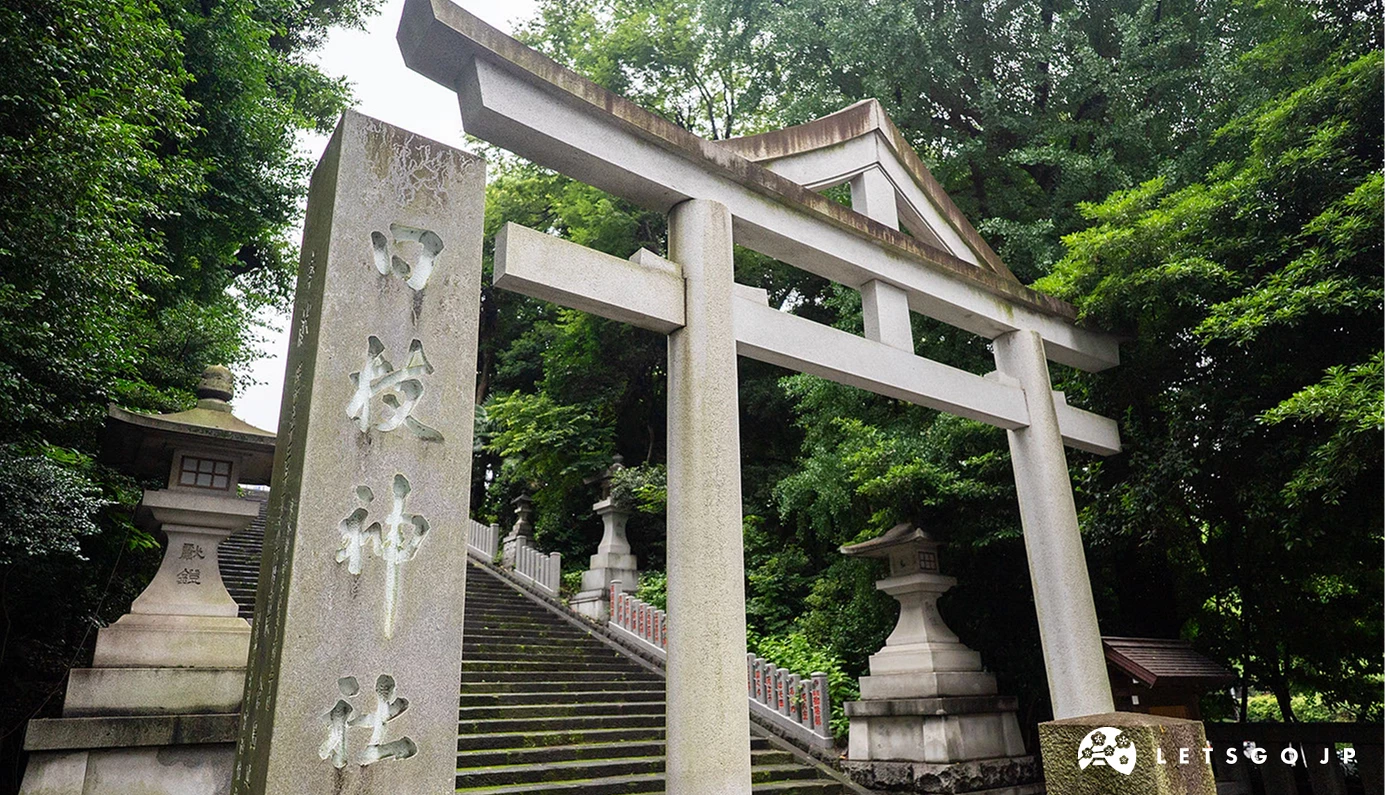
In addition to famous shrines and temples such as Meiji Shrine and Sensoji Temple, Tokyo also has a beloved power spot hidden in the heart of the Akasaka business district: “Hie Shrine.” It is known for prayers related to career luck, good fortune, blessings, and good relationships. The vermilion thousand torii gates within the shrine grounds are perfect for photos, and the adorable sacred monkey amulets are also must-buy items! This article introduces the main highlights of Hie Shrine, must-buy amulets and goshuin, seasonal scenery, transportation, and nearby attractions. Whether you are visiting Tokyo independently for the first time or want to experience Japanese shrine culture more deeply, this shrine is well worth a visit!

Hie Shrine is located in Nagatacho, Chiyoda Ward, Tokyo. Its official name is “Sanno Hie Shrine,” and it has a history of more than 500 years. The shrine grounds feature attractions such as the Inari approach, thousand torii gates, sacred monkey statues, and Sanno Torii. It is also one of the few shrines equipped with an escalator within its grounds. The main enshrined deity is Oyamakui-no-kami, a god who governs mountains, water, and the growth of all things. Many people visit specifically to pray for good relationships, safe childbirth, good fortune, and blessings. Located in the Akasaka business district, it is also a well-known shrine for praying for business prosperity and protection from misfortune.
Hie Shrine Transportation
Hie Shrine can be reached in about 3 minutes on foot from “Tameike-sanno” Station, or about 8 minutes on foot from “Akasaka-mitsuke” Station. Multiple subway lines can be used to get there. Before or after your visit, you can also travel directly to Shibuya, Ginza, Ueno, and Asakusa on a single line without transfers, making it very convenient.
| Station / Line | Departure Point | Time | Fare |
|---|---|---|---|
| Tameike-sanno Station Ginza Line | Shibuya Station | Approx. 10 min | Approx. 180 yen |
| Ueno Station | Approx. 20 min | Approx. 220 yen | |
| Akasaka-mitsuke Station Marunouchi Line | Tokyo Station | Approx. 9 min | Approx. 180 yen |
| Ikebukuro Station | Approx. 25 min | Approx. 210 yen |
※ Fares and travel times are for reference only. Please check the official Tokyo Metro website for the latest information.
Highlights Within Hie Shrine
Hie Shrine Sanno Torii

Photo: Mike. After exiting from Tameike-sanno or Akasaka-mitsuke Station, walk along the main road to reach the West Approach, where you will see the striking “Sanno Torii” standing among commercial buildings. The top of the torii has a triangular gable design, which is a distinctive feature of Sanno Torii. Its shape resembles a mountain and also resembles hands pressed together in prayer, so it is also called the “Gassho Torii.” This type of torii design is rarely seen at other shrines.
Hie Shrine Approach and Thousand Torii Gates

There are three routes to reach the main hall of Hie Shrine. Taking the escalator from the West Approach through the “Sanno Torii” is the easiest and most energy-saving option, and it is also convenient for pregnant visitors, elderly people, or those with limited mobility. Visitors can also climb the 53 stone steps from the front approach, known as Omotesando or Otokozaka, or pass through the thousand torii gates from the Inari approach. Although the thousand torii gates actually consist of only about 90 vermilion torii gates, “thousand” means a large number. Because they are full of traditional Japanese character, many overseas travelers take photos here. However, the passage is narrow and long, so taking photos may sometimes require waiting or lining up. Please also avoid occupying the space for too long and affecting others entering or leaving.
・Opening Hours: 6:00–17:00, and the West Approach escalator operates only during shrine opening hours
Hie Shrine Main Hall “Sacred Monkey Statues”

At most shrines, the guardian stone statues are a pair of komainu guardian dogs placed on the left and right. At the main hall of Hie Shrine, however, the guardians are monkeys. Sacred monkeys are symbols of connection and opening paths, and the Japanese pronunciation of “monkey,” saru, is similar to the word for “bond” or “connection,” en. On the left side of the main hall is the “wife monkey statue” holding a baby monkey, which represents prayers for good relationships, fertility, and safe childbirth. On the right side, the “husband monkey statue” represents prayers for promotion, career development, and business luck. Many families come to worship together, praying for family harmony and good fortune.
Hie Shrine Auxiliary Shrines: Sarutahiko Shrine, Sanno Inari Shrine, and Yasaka Shrine

The auxiliary shrines of Hie Shrine include Sanno Inari Shrine, Sarutahiko Shrine, and Yasaka Shrine. Sanno Inari Shrine already existed on this site before Hie Shrine was relocated to its current location. Its shrine building is the only structure within the grounds that survived the World War II air raids and remains preserved today, and it is regarded as a guardian deity for fire prevention and disaster protection. Sarutahiko Shrine is visited for good fortune and career development, while Yasaka Shrine is visited for good relationships and the prosperity of descendants. Visitors can also dedicate prayer torii in the shape of torii gates and papier-mâché fox dolls.
Hie Shrine Café “Sanno Saryo”

After visiting Hie Shrine, you can dine at “Sanno Saryo,” a new shop opened in June 2025. It uses ingredients produced around Tokyo and offers seasonal desserts, soba noodles, curry rice, rice bowls, and more. The interior has a simple Japanese-style design, making it a great place to rest, enjoy Japanese sweets, and experience a unique Japanese aesthetic.
・Address: Hie Shrine Sanshuden, 2-10-5 Nagatacho, Chiyoda City, Tokyo
・Opening Hours: Lunch 11:00–15:00, last order 14:30; Café 15:00–17:00, last order 16:30
・Closed: Irregular holidays
Hie Shrine Amulets and Goshuin

Hie Shrine offers many different types of amulets and goshuin. If you would like a goshuin written directly in your goshuin book, you can first hand it in at the shrine office and receive a numbered ticket, then pick it up again after worship. Please note that goshuin for the auxiliary shrines are only available as direct handwritten entries during the first three days of the New Year, from New Year’s Day to January 3, and on each shrine’s festival day. Available designs are also subject to on-site announcements.
Popular Hie Shrine Amulet Types and Prices
| Type | Price | Features |
|---|---|---|
| Masaru-mamori Victory Amulet | 800 yen, small 1,000 yen, large | Represents protection from misfortune and the meaning of “victory and success” |
| Michibiki-mamori Guidance Amulet | 800 yen, small 1,000 yen, large | Prays for guidance in life and opening paths while turning misfortune into good luck |
| Sachitama-mamori Prayer Beads | 6,000 yen | All-around good fortune |
※ Please check the official website for the latest types and fees.
Masaru-mamori, Victory Amulet

The most representative amulet of Hie Shrine is the “Masaru-mamori,” or Victory Amulet. It is shaped like an adorable sacred monkey and comes in two sizes and multiple colors. In Japanese, “masaru” has auspicious wordplay meanings related to victory and warding off evil. It carries good meanings such as praying for victory, good fortune, connections, and business prosperity, making it suitable both for personal use and as a gift!
Michibiki-mamori, Guidance Amulet
The “Michibiki-mamori,” or Guidance Amulet, belongs to the auxiliary Sarutahiko Shrine. In the myth of the descent of the heavenly grandson, Sarutahiko-no-kami served as the guiding deity. He is also regarded as a guardian deity who can help people seek guidance in life and turn misfortune into good fortune. The Guidance Amulet is also a rare monkey-shaped amulet, available in two sizes and multiple colors. It is also very cute as a bag charm!
Sachitama-mamori, Prayer Beads

The “Sachitama-mamori” is a prayer-bead-style amulet available in several different colors and comes with a dedicated storage pouch. Yellow represents financial luck, while green represents health luck. Besides collecting it, you can also wear it in daily life. It is delicate, elegant, and high-end, making it a very presentable gift for elders.
・Goshuin Fee: 500 yen
・Amulet and Goshuin Distribution Hours: 8:00–16:00
・Closed: Irregular holidays
Seasonal Highlights and Events at Hie Shrine
Spring: Cherry Blossoms and Wisteria at Hie Shrine
Every year from late March to early April, the cherry blossoms at Hie Shrine come into full bloom. In addition to the common Somei Yoshino cherry blossoms, there are also double-flowered cherry blossoms, creating a beautiful contrast with the shrine buildings such as the main hall and torii gates. In mid-April, the wisteria trellis beside the shrine building also blooms, allowing visitors to photograph the wisteria together with the shrine building, corridors, and high-rise buildings in the background.
Summer: Hie Shrine Sanno Festival

Around mid-June every year, Hie Shrine holds the “Sanno Festival.” Along with the Kanda Festival and Fukagawa Festival, it is one of the “Three Great Edo Festivals,” and together with Kyoto’s Gion Festival and Osaka’s Tenjin Festival, it is also counted among the “Three Great Festivals of Japan.” The grandest highlight, the Shinkosai procession, is held once every two years during the main festival year. A procession about 300 meters long, consisting of around 500 people dressed in imperial court costumes along with the imperial palanquin, shrine mikoshi, and festival floats, parades through central Tokyo areas such as the Imperial Palace, Tokyo Station, and Ginza, creating a magnificent scene. The year 2026 will be a main festival year, and the Shinkosai will be held on June 12. Detailed schedules can be checked on the official website.
Autumn: Fall Foliage at Hie Shrine

Every autumn, Hie Shrine also offers autumn leaves and ginkgo trees to admire. The best viewing period is usually around late November. The orange-red autumn leaves are vivid and eye-catching, while the quiet and elegant atmosphere makes visitors momentarily forget that they are in the busy heart of Tokyo. It is especially recommended to visit in the morning, particularly on weekdays, when there are fewer visitors and it is easier to take photos.
Winter: Hatsumode at Hie Shrine

Every New Year, especially from New Year’s Day to January 3, Japanese families visit shrines in large numbers for hatsumode, the first shrine visit of the year, praying for a smooth and fortunate year ahead. During this period, Hie Shrine receives about 300,000 visitors each year, making it one of Tokyo’s most representative hatsumode spots. Visiting during this time usually requires waiting in line, so it is necessary to allow more time than usual. However, visitors can also receive goshuin from auxiliary shrines such as Sanno Inari Shrine and Sarutahiko Shrine during this period.
Nearby Attractions Around Hie Shrine
Akasaka Sacas, About 5 Minutes on Foot
“Akasaka Sacas” is a mixed-use commercial facility operated by TBS Television, combining shopping, restaurants, and event spaces. It occasionally hosts celebrity events, outdoor markets, and other activities. In addition to buying limited-edition TV drama merchandise, lucky visitors may even encounter celebrities or witness location filming. It is a must-visit sacred spot for many Japanese drama fans!
・Address: 5-3 Akasaka, Minato City, Tokyo
・Opening Hours: Shops 11:00–21:00, restaurants 11:00–23:00, though hours may vary by store
・Transportation: About an 8-minute walk from the Sanno Torii of Hie Shrine
Akasaka Palace, About 20 Minutes by Train
About 20 minutes by train from Hie Shrine, “Akasaka Palace” is often compared to Japan’s “Palace of Versailles.” It is Japan’s only National Treasure guesthouse open to the public, blending traditional Japanese craftsmanship with Western palace-style architecture. It is well worth taking your time to explore. The main building and gardens can be visited freely without reservation. The Japanese-style annex requires advance reservation, and opening schedules can be checked on the official website.
Roppongi Hills, About 20 Minutes by Train
“Roppongi Hills” is one of Tokyo’s representative mixed-use complexes, including the Mori Art Museum, Tokyo City View observation deck, restaurants, and shops. Sightseeing, dining, and shopping can all be enjoyed in one place. Every winter, visitors can enjoy illuminations nearby, as well as beautiful views of Tokyo Tower. It is one of the must-visit attractions for first-time visitors to Tokyo.
“Hie Shrine” combines history, culture, and urban scenery. Visitors can not only admire the Japanese atmosphere of the Sanno Torii and thousand torii gates, but also purchase distinctive amulets and plan a complete one-day trip together with nearby areas such as Akasaka and Roppongi. Whether you want to pray for good fortune, career success, or take beautiful photos, it is one of the representative shrines in central Tokyo that should not be missed. Be sure to add Hie Shrine to your itinerary next time you travel to Tokyo!
Hie Shrine FAQ
1. Is there an entrance fee for Hie Shrine?
No. Worship within the shrine grounds is free. Fees are only required when purchasing amulets or goshuin. You can refer to the amulet and goshuin information summarized above.
2. How long should I spend at Hie Shrine?
For a general visit to the main hall, thousand torii gates, sacred monkey statues, and other highlights, about 1 hour is usually enough. If you want to take photos slowly, receive goshuin, and visit the auxiliary shrines, it is recommended to allow at least 1.5 hours for a more relaxed visit.
3. Hie Shrine has many stairs. Can elderly visitors or people with leg or back issues go there?
There is no problem at all. From the West Approach entrance, there are escalators going both up and down, so you can reach the shrine without climbing stairs. The escalators operate daily from 6 a.m. to 7 p.m. The nearest route is to exit from Exit 7 of Tameike-sanno Station.
4. Is Hie Shrine crowded during the Sanno Festival? What time is recommended for visiting?
During the annual Sanno Festival period, from early to mid-June, there are many visitors, especially on the day of the Shinkosai procession. It is recommended to visit in the morning after the shrine opens, from around 6 a.m. to 9 a.m., when there are usually fewer people.