
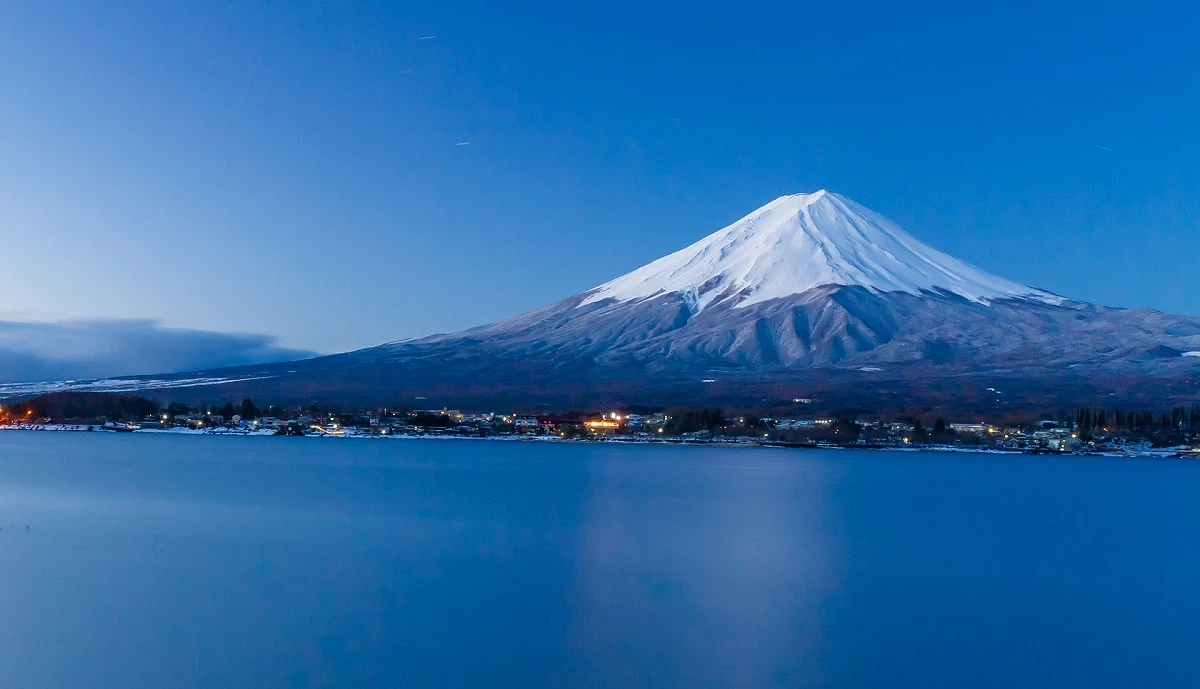
Yamanashi Prefecture is one of the best places to admire Mount Fuji, and popular attractions such as Lake Kawaguchi, Lake Yamanaka, and Oshino Hakkai are all located here. From spectacular natural scenery and hot spring ryokan to Fuji-Q Highland, Yamanashi is ideal for families, couples, road trippers, and photography lovers. This guide covers Yamanashi attractions, accommodation, transportation, food, and recommended itineraries, giving you all the key information you need for an independent Mount Fuji trip.

Located on the northern side of Mount Fuji, Yamanashi Prefecture is rich in natural resources, with about 27% of its land designated as natural parks, including national, quasi-national, and prefectural parks. It takes about 1.5–2 hours to reach Yamanashi from Tokyo by train or highway bus. Major attractions include Lake Kawaguchi, Lake Yamanaka, Oshino Hakkai, Fuji-Q Highland, Kofu, Shosenkyo Gorge, and Kiyosato Plateau. Overall, Yamanashi is especially suitable for families, couples, self-driving travelers, and nature lovers. If you want to photograph beautiful views of Mount Fuji, this is definitely one of the best destinations. A 2–3 day trip is recommended, or 3–4 days if you also include Kiyosato Plateau or attractions around Kofu.
Recommended Attractions in Yamanashi Prefecture
The Fuji Five Lakes are Lake Kawaguchi, Lake Yamanaka, Lake Sai, Lake Shoji, and Lake Motosu. Among them, Lake Kawaguchi is the best known and has the largest concentration of attractions. In addition to close-up views of Mount Fuji and the lake, the surrounding area is home to flower parks, museums, cafes, and hot spring ryokan. Whether you want to photograph Mount Fuji reflected on the lake or spend a night at the foot of the mountain, Lake Kawaguchi is highly recommended.
Lake Kawaguchi

Lake Kawaguchi is at the heart of the Fuji Five Lakes and is one of the most popular places to photograph the famous “Upside-Down Fuji” reflection. On clear days, you can clearly see Mount Fuji reflected magnificently on the lake. Take the Mount Fuji Panoramic Ropeway for a sweeping view from above, or enjoy a sightseeing cruise for a different perspective of the mountain. In spring, cherry blossoms frame Mount Fuji; summer is ideal for lakeside walks; autumn brings illuminated maple corridors; and winter offers snow-covered Mount Fuji above crystal-clear lake scenery. It is worth visiting in every season. For a more detailed Lake Kawaguchi travel guide, see the related article below.
Oishi Park

Popular Oishi Park on Lake Kawaguchi lies at the foot of Mount Fuji and is a wonderful place to enjoy flowers together with mountain views. Its wide-open flower fields change with the seasons. In addition to famous summer lavender and autumn kochia, visitors can see tulips, nemophila, autumn leaves, and even snow-covered Mount Fuji. It is a favorite with photographers and is also perfect for couples and families. See the related guide below for more about Oishi Park's highlights, food, and nearby attractions.
Kawaguchiko Music Forest Museum

Inspired by the European Alps, Kawaguchiko Music Forest offers views of Mount Fuji from both its indoor spaces and gardens. Its elegant European-style architecture and precious collection of music boxes are captivating. The spacious grounds are dotted with pointed-roof cottages, small bridges, streams, and colorful flower beds, creating the atmosphere of a medieval fairytale estate. Visitors can also relax at a scenic restaurant and enjoy a romantic setting filled with classical charm. Regular live musical performances are another highlight, offering professional-level concerts in an elegant music hall. It is a popular choice for both couples and families.
Address: 3077-20 Kawaguchi, Fujikawaguchiko, Minamitsuru District, Yamanashi Prefecture
Opening Hours: 10:00–17:30 (last admission 16:00). Hours may vary by season; please check the official website for details.
Admission:
【Weekdays】Adults ¥1,800; university and high school students ¥1,300; junior high and elementary school students ¥1,000
【Weekends and National Holidays】Adults ¥2,100; university and high school students ¥1,600; junior high and elementary school students ¥1,000
【Evening】Admission from 16:00 to 17:00 is ¥600 for all visitors
Lake Motosu

Lake Motosu is the deepest of the Fuji Five Lakes and is widely known as the viewpoint used for the image of Mount Fuji on the old ¥1,000 banknote. The mountain pictured on the back of the note was photographed from Nakanokura Pass on the western shore of Lake Motosu. When visiting, consider bringing an old ¥1,000 note to compare the printed view with the real scenery. Reaching the viewpoint requires a little hiking, but the unique landscape is well worth the effort.
Address: Motosu, Fujikawaguchiko, Minamitsuru District, Yamanashi Prefecture
Fugaku Wind Cave and Narusawa Ice Cave

Fugaku Wind Cave and Narusawa Ice Cave, both nationally designated Natural Monuments, are located in the Aokigahara Forest area. These natural caves were formed by lava from past eruptions of Mount Fuji and are valuable examples of volcanic terrain. Temperatures inside remain below 10°C year-round, and visitors can see icicles and ice walls, making the caves noticeably cool even in midsummer. In the past, they were used to store silkworm cocoons and seeds, earning them the nickname “natural refrigerators.” Combining geological wonders with historical background, they are among the most representative natural attractions around Mount Fuji.
Fugaku Wind Cave
Address: 2068-1 Saiko Aokigahara, Fujikawaguchiko, Minamitsuru District, Yamanashi Prefecture
Opening Hours: 9:00–17:00 ※ Hours may vary by season
Narusawa Ice Cave
Address: 8533 Narusawa, Minamitsuru District, Yamanashi Prefecture
Opening Hours: 9:00–17:00 ※ Hours may vary by season
Lake Yamanaka

Lake Yamanaka is the largest and highest in elevation of the Fuji Five Lakes. One unique activity here is the Yamanakako amphibious “Hippo” bus. After driving on land, the vehicle makes a dramatic splash into the water and transforms into a sightseeing boat, making for a fun experience. You can also take the large swan boat and capture the classic scene of the giant swan-shaped vessel meeting real swans on the lake. Hana no Miyako Park on the lakeshore is another popular Mount Fuji photo spot, with flowers blooming through spring, summer, and autumn. See the related article below for more essential travel information about Lake Yamanaka.
Oshino Hakkai

Oshino Hakkai is the collective name for a group of spring-fed ponds located between Lake Kawaguchi and Lake Yamanaka. Major eruptions of Mount Fuji between 800 and 802 split the former Lake Utsu at the foot of the mountain into Lake Yamanaka and Lake Oshino. Lake Oshino later gradually dried up to form a basin, where several springs emerged and eventually became today's village of Oshino Hakkai, made up of eight ponds. The spring water is exceptionally clean and clear, while the surrounding area features watermill huts, small vendors, and restaurants where visitors can rest. Its simple, peaceful rural scenery leaves a lasting impression. For more details, see the Oshino Hakkai guide below.
Fuji-Q Highland

Fuji-Q Highland at the foot of Mount Fuji is familiar to many thrill-seekers. The park is packed with extreme attractions, including FUJIYAMA, a roller coaster that has held four Guinness World Records, an ultra-scary haunted attraction themed around an abandoned hospital, and Japan's longest aerial slide introduced in 2022. Each one pushes visitors' senses to the limit. In addition to these intense attractions, the park also has family-friendly areas such as Thomas Land and La Ville de Gaspard et Lisa, making it fun for both adults and children.
Address: 5-6-1 Shinnishihara, Fujiyoshida, Yamanashi Prefecture
Opening Hours: 09:00–18:00 (varies by date); irregular closing days each month. Please refer to the official website for the latest information.
Admission: Entry is free; rides require separate fees. One-day passes for unlimited rides are also available.
Recommended Experience:
Available only to non-residents of Japan! Includes admission + unlimited rides.
Kofu, Shosenkyo Gorge, and Isawa Onsen Area
Kofu, the capital of Yamanashi Prefecture, brings together historic castle sites, attractions related to the Takeda clan, Shosenkyo Gorge, and Isawa Onsen. It is easy to combine cultural sightseeing with a relaxing hot spring stay for a leisurely yet in-depth trip.
Shosenkyo Gorge

Shosenkyo Gorge is often described as one of Japan's most beautiful valleys. Located along the upper reaches of the Arakawa River, a tributary of the Fuji River, its rushing water and granite geology have created spectacular rock formations, steep peaks, waterfalls, and ravines. In summer, it attracts hikers eager to explore its secluded scenery. In autumn, Shosenkyo is famous across Japan for its foliage, especially around Kakuenpo, its iconic peak. In winter, the snow-covered Senga Falls becomes one of the area's most dreamlike sights.
Address: Takanari-cho, Kofu, Yamanashi Prefecture
Takeda Shrine

Takeda Shrine primarily enshrines Takeda Shingen, the Sengoku-period warlord regarded as a symbol of Kai Province. Because Takeda Shingen is renowned for his exceptional leadership and strategic vision, the shrine is also considered a spiritual place for prayers related to career success, victory, and direction in life. The grounds still preserve features such as moats and earthworks, while the treasure hall displays swords, helmets, armor, and other items passed down through generations of the Takeda family. A visit offers both a worship experience and a glimpse into the atmosphere of the Sengoku period.
Address: 2611 Kofuchumachi, Kofu, Yamanashi Prefecture
Isawa Onsen

No trip to Yamanashi is complete without a hot spring soak. Isawa Onsen, the prefecture's largest hot spring resort area, is one of its most famous. Its clear alkaline spring water is gentle on the skin and is also said to help relieve muscle and joint aches and neuralgia. A walk through the hot spring town is highly recommended. Numerous ryokan line both sides of the Fuefuki River, and around 160 cherry trees are planted along the riverside promenade, creating especially beautiful scenery in spring.
Address: Kawanakajima, Isawa-cho, Fuefuki, Yamanashi Prefecture
Kiyosato Plateau and Hokuto City Area
The Hokuto City area is known as a “highland summer retreat paradise.” With cool summer temperatures, ranches, museums, and scenic cafes, it is especially suitable for travelers who want to escape the city, slow down, and enjoy a relaxing break.
Kiyosato Plateau

Known as “Little Switzerland,” Kiyosato Plateau lies north of Mount Fuji on the southern foothills of the Yatsugatake Mountains at an elevation of about 1,200 meters. With fresh air and picturesque scenery, it is a highly popular resort destination. Must-visit attractions include Kiyosato Terrace, where you can enjoy coffee while overlooking endless blue skies, seas of clouds, and green grasslands. Moegi-no-Mura, used as a filming location for TV commercials and music videos, feels like a fairytale picture-book village, with European-style cottages scattered through the forest housing cafes, restaurants, shops, and workshops. You can also visit Seisenryo to enjoy rich organic milk soft-serve ice cream.
Address: 8240-1 Nishiide, Oizumi-cho, Hokuto, Yamanashi Prefecture
Opening Season: Generally open from April to November each year. Please check the official website for exact dates.
Opening Hours: Cafe 9:30–16:20
Yatsugatake

Yatsugatake spans Yamanashi and Nagano prefectures and is a volcanic mountain range made up of multiple peaks. It offers numerous hiking routes and pristine mountain forests. Its highest peak, Mount Akadake, is one of Japan's 100 Famous Mountains and is especially popular with hikers and nature lovers. Depending on the season, visitors can enjoy hiking, mountaineering, flower viewing, and stargazing. The cool summer climate makes it a popular retreat from the heat, while autumn brings layered red foliage and beautiful highland scenery. Even without serious mountaineering, you can enjoy the vast, tranquil atmosphere of Yatsugatake on surrounding highland trails, at viewpoints, and in cafes, far from the noise of the city.
Address: Hokuto City, Yamanashi Prefecture / Minamisaku District, Nagano Prefecture
Kobuchizawa

Kobuchizawa lies in the southern part of Hokuto City and is a popular highland resort area at the foot of the Yatsugatake Mountains. Nearby cultural attractions include the Hirayama Ikuo Silk Road Museum, the Nakamura Keith Haring Collection, and the Museum of Light designed by Tadao Ando. It is also an ideal base for enjoying nature, whether visiting the famous Doryu Falls, walking or cycling through the forest, or viewing the Yatsugatake peaks on clear days. Accommodation ranges from resort hotels to stylish guesthouses. Visitors can also soak in an open-air bath at Kai-Oizumi Onsen while enjoying views of towering Mount Fuji and a sky full of stars. One or two nights here makes an excellent relaxing stop during a longer trip.
Address: Kobuchisawa-cho, Hokuto, Yamanashi Prefecture
Yamanashi Food
In addition to its beautiful natural scenery, Yamanashi has a rich and diverse local food culture. From classic hoto noodles and Yoshida udon to fresh fruit and wine, there is plenty worth making a special trip to taste. In addition to the dishes introduced here, the related article below highlights nine must-try restaurants in Yamanashi, organized by area and cuisine type to help you quickly find options that fit your itinerary.
Hoto Noodles

One of Yamanashi's must-try local specialties is Koshu hoto, a dish of broad, flat noodles simmered in a miso-based soup with vegetables such as pumpkin, potatoes, Chinese cabbage, green onions, and daikon. The thick noodles absorb the rich flavor of the broth, making the dish warming, satisfying, and highly nutritious.
Yoshida Udon

Yoshida udon originated in Fujiyoshida City. Compared with ordinary udon, the noodles are thicker and firmer, with a chewy texture that brings out the aroma of wheat as you eat. The broth is usually based on rich soy sauce or miso, creating a simple but memorable flavor. Originally a hearty everyday meal for laborers, Yoshida udon remains widely available at long-established restaurants throughout Fujiyoshida, where its affordable prices make it popular with both travelers and locals.
Koshu Wine

Thanks to its abundant grape production, Yamanashi is Japan's leading “wine country” and has a long history of winemaking. Wineries of all sizes are scattered throughout the prefecture, producing wines known for delicate flavors and consistent quality. Yamanashi accounts for roughly 30% of Japan's wine production. White wine is especially representative, with gentle fruity aromas and a refreshing taste that is highly regarded by wine lovers and pairs well with Japanese cuisine.
Yamanashi Peaches and Shine Muscat Grapes

Yamanashi is famous as a fruit kingdom. Its excellent water quality, low annual rainfall, and large temperature differences help produce exceptionally sweet and juicy fruit. Among the most popular are Shine Muscat grapes, generally in season from June to October. They are known for thin skins, seedless flesh, a distinctive aroma, and high sweetness. Yamanashi is also Japan's largest producer of peaches, with Kasugai in Fuefuki City especially known for high-quality fruit. Varieties include Hakuho and Asama Hakuto, prized for sweetness, juiciness, and firm flesh, as well as rarer varieties such as Sachakane and Sakura Hakuto, known for vivid color and large, plump fruit. Visit from late June to early September for the chance to taste them in season.
Yamanashi Shopping and Souvenir Recommendations
Shopping in Yamanashi is concentrated mainly around Lake Kawaguchi and Fujiyoshida, as well as central Kofu. Whether you are looking for Mount Fuji-shaped sweets, local wagashi, or specialties featuring fruit and wine, you can find everything in these areas. This guide gives a quick overview of the most convenient places to shop and the must-buy souvenirs from Yamanashi, while a more complete list of stores and products is provided in the related feature article below.
Shopping Areas in Yamanashi
Lake Kawaguchi & Fujiyoshida Shopping: Concentrated Souvenir Shops and Dessert Stores

Lake Kawaguchi and Fujiyoshida are the most convenient places in Yamanashi to buy souvenirs. Large numbers of souvenir shops and dessert stores are located around stations and major attractions, offering everything from Mount Fuji-shaped snacks and classic wagashi to sweets made with local fruit. Because most shops keep hours suited to sightseeing schedules, it is easy to complete your shopping even on a half-day or one-day trip. For a more efficient list of popular products and must-buy items, see the curated guide below.
Central Kofu Shopping: The Best Selection of Department Stores and Local Brands

Shopping in central Kofu is focused around JR Kofu Station. CELEO Kofu, directly connected to the station, offers fashion, household goods, drugstore products, and numerous restaurants. The long-established Okajima Department Store is about a 5-minute walk from the station and is known for local confectionery, wagashi counters, and Yamanashi specialties, making it a good place to choose more formal gifts. If your itinerary includes an overnight stay or transfer in Kofu, consider setting aside some time for shopping in the city center.
Top 5 Must-Buy Souvenirs from Yamanashi
Yamanashi offers a wide variety of souvenirs. Below are some of the prefecture's most representative must-buy items, while the complete guide linked below provides a more detailed list to help you find the perfect gifts to take home.
Kikyo Shingen Mochi
Kikyo Shingen Mochi, produced by confectionery specialist Kikyouya, is often considered the most representative souvenir from Yamanashi. Shingen mochi consists of soft mochi dusted with kinako soybean flour and served with kuromitsu black sugar syrup. It comes wrapped in a cute furoshiki-style package. Simply open it, pour the syrup over the kinako-covered mochi, and enjoy one of Yamanashi's classic must-try sweets.
Mount Fuji Cookies
Fujiyama Cookie is a cookie specialty shop at the foot of Mount Fuji, famous for its Mount Fuji-shaped cookies. Beyond their cute appearance, the cookies are carefully handmade using 100% Japanese flour combined with honey and selected ingredients such as cheese, earning praise for both quality and flavor. Classic flavors include vanilla, Earl Grey, strawberry, matcha, and chocolate, along with versions coated in white chocolate to resemble snow-covered Mount Fuji. They are suitable both as personal treats and as gifts.
Wine and Grape Jelly
Wine is naturally one of Yamanashi's must-buy souvenirs. Well-known examples include Sonomamanigori red and white wines from Hombo Shuzo, noted for their fresh fruity aromas; Vin Rouge from Ikeda Winery, designed to pair well with Japanese cuisine; and Algablanca Clareza from Katsunuma Winery, a white wine made with a grape variety native to Yamanashi. If you do not drink alcohol, grape jelly made from Koshu grapes is also very popular, offering rich fruit aromas and a flavor suitable for the whole family.
Mount Fuji-Shaped Bread
FUJISAN SHOKUPAN produces a loaf shaped like Mount Fuji. It is made with carefully selected local wheat, fresh milk, and natural Mount Fuji water, while Kyoho grape juice from Yamanashi gives part of the bread a pale blue color. The contrast between blue and white creates a striking Mount Fuji cross-section. Gift sets also come with Mount Fuji-shaped boxes and cute paper bags, making this one of the top souvenir choices in Yamanashi.
Shingen Momo
Shingen Momo is another popular sweet from long-established Yamanashi confectionery brand Kikyouya. Shaped like an adorable peach, it is instantly recognizable and highly popular with tourists. The filling combines peach jelly with white bean paste, releasing a fragrant peach aroma with every bite. It is a dessert that stands out in both appearance and taste.
Accommodation in Yamanashi Prefecture
Accommodation in Yamanashi varies significantly by area. Options range from Lake Kawaguchi hot spring ryokan with direct Mount Fuji views, to family- and driver-friendly guesthouses around Lake Yamanaka, as well as relatively affordable hotels in Kofu and Isawa Onsen. When planning where to stay, first decide whether a Mount Fuji-view room is essential or whether budget and convenience are more important. Choosing your base according to these priorities will make your itinerary more efficient.
Lake Kawaguchi Accommodation

Lake Kawaguchi is Yamanashi's most popular accommodation area, especially because it has many hot spring ryokan and stylish design hotels offering views of Mount Fuji and the lake. Popular choices include Shuhokaku Kogetsu, known for its head-on Mount Fuji views; HOSHINOYA Fuji, which focuses on luxury outdoor experiences; and FUFU Kawaguchiko, combining nature with privacy. Prices range from mid-range to luxury, but rooms with direct Mount Fuji views or private open-air baths generally require a higher budget. Overall, Lake Kawaguchi is especially suitable for first-time visitors to Mount Fuji, travelers who want to open their window and see the mountain, and anyone hoping to take beautiful Mount Fuji photos. See the related article below for more recommended places to stay.
Lake Yamanaka Accommodation

Accommodation around Lake Yamanaka mainly consists of lakeside guesthouses, resort cottages, and self-drive-friendly villas, creating a quieter and more relaxed atmosphere than Lake Kawaguchi. The area is especially suitable for travelers who enjoy outdoor activities, whether SUP and canoeing in summer or lakeside walks with views of swans and Mount Fuji in winter. Prices are generally mid-range, making the area suitable for families or groups of friends renting an entire property. It is also highly recommended for travelers who want to escape the tourist crowds and enjoy a slower pace.
Kofu and Isawa Onsen Accommodation

Accommodation in central Kofu consists mainly of business hotels and mid-range hotels, with convenient transportation and relatively affordable rates. It makes a practical base for visiting Lake Kawaguchi or Shosenkyo during the day while keeping accommodation costs down at night. Isawa Onsen, meanwhile, has numerous hot spring ryokan and traditional Japanese-style rooms, most offering one-night stays with two meals. Guests can enjoy both hot springs and kaiseki cuisine at a comparatively good value, making it an ideal option for those who want a ryokan experience without paying Lake Kawaguchi's higher room rates.
Kiyosato Plateau and Hokuto City Accommodation

Accommodation around Kiyosato Plateau and Kobuchizawa in Hokuto City mainly consists of nature-filled guesthouses, highland resort hotels, and small design inns, all with a peaceful and comfortable atmosphere. The cool summer climate makes the area a popular retreat from the heat, while autumn attracts visitors seeking colorful foliage and highland walks. Prices range from mid-range to moderately high, and the area is especially suitable for travelers who enjoy art, slow-paced trips, cafe hopping, ranches, and mountain scenery.
Day-Use Hot Springs

If your travel budget is limited or you are staying only one night, you can still easily enjoy a hot spring experience at the foot of Mount Fuji by visiting a day-use onsen. One practical option is to stay at a regular hotel around Lake Kawaguchi, spend the day sightseeing, then relax at a day-use hot spring in the evening. This keeps your itinerary flexible while helping control accommodation costs. The recommended day-use hot spring below offers a large public bath, sauna, private baths, VIP bathing rooms, local cuisine, and massage services.
Address: 8532-5 Narusawa, Minamitsuru District, Yamanashi Prefecture
Yamanashi Independent Travel Itineraries
For a first trip to Yamanashi, most travelers focus on Lake Kawaguchi and combine it with nearby attractions such as Oshino Hakkai and Lake Yamanaka. If you have more time, extend the trip to Kofu and Shosenkyo Gorge. Combining natural scenery, history, culture, and hot springs creates a full yet comfortably paced Yamanashi itinerary.
Classic 2-Day, 1-Night Yamanashi Route: Lake Kawaguchi + Oshino Hakkai
This route starts from Tokyo. Day 1 focuses on the Lake Kawaguchi area and an overnight hot spring stay, while Day 2 continues to Oshino Hakkai and Lake Yamanaka. The itinerary is centered on natural scenery, with short travel distances and attractions located close together. It is ideal for first-time visitors to Yamanashi, travelers hoping to photograph classic Mount Fuji views, or anyone with only two days and one night for a trip from Tokyo.
| Day1 | ShinjukuDepart → Take a train or highway bus to Lake Kawaguchi → Oishi Park (photos of Mount Fuji and the lake) → Lakeside walk and cafe break → Stay at a Lake Kawaguchi hot spring ryokan and enjoy the hot springs and dinner |
|---|---|
| Day2 | Oshino Hakkai walk (spring-fed ponds and Mount Fuji views) → Lake Yamanaka short visit or cafe break by the lake → Return to Tokyo |
Complete 3-Day, 2-Night Yamanashi Route: Lake Kawaguchi + Lake Yamanaka + Kofu & Shosenkyo Gorge
This complete 3-day, 2-night Yamanashi itinerary starts from Tokyo. The first two days focus on Lake Kawaguchi, Oshino Hakkai, and Lake Yamanaka for photographing Mount Fuji and lake scenery, enjoying hot springs, and taking nature walks. On Day 3, continue to Kofu and Shosenkyo Gorge for canyon landscapes and historic castle sites, adding more variety to the trip.
| Day1 | ShinjukuDepart → Take a train or highway bus to Lake Kawaguchi → Oishi Park (photos of Mount Fuji and the lake) → Kawaguchiko Music Forest Museum → Lakeside walk and cafe break → Stay at a Lake Kawaguchi hot spring ryokan |
|---|---|
| Day2 | Oshino Hakkai walk (spring-fed ponds and Mount Fuji views) → Yamanakako Hana no Miyako Park → Walk around Lake Yamanaka or relax at a lakeside cafe → Return in the evening to Lake Kawaguchi or Lake Yamanaka for an overnight stay |
| Day3 | Head to Kofu → Shosenkyo Gorge canyon walk and unusual rock formations → Kofu Castle area walk → Return in the evening to Tokyo |
Mount Fuji Day Trip from Tokyo
If you have very limited time, you can also take a day trip from Tokyo to Lake Kawaguchi and return the same day to see Mount Fuji. The related article below includes a detailed schedule and all the essential attractions, so you can simply follow the itinerary.
Transportation in Yamanashi Prefecture
Most independent trips to Yamanashi start from Tokyo, especially Shinjuku, and head toward Lake Kawaguchi and the Fuji Five Lakes. Once you understand the main Shinjuku ⇔ Kawaguchiko Station / Mt. Fuji Station route, planning your trip becomes much easier.
Tokyo / Shinjuku → Lake Kawaguchi / Fuji Five Lakes
Option ① JR Fuji Excursion
The JR Fuji Excursion is one of the easiest ways to reach Lake Kawaguchi. It runs directly from Shinjuku Station to Kawaguchiko Station with no transfer and takes about 2 hours. All seats are reserved, with comfortable seating and convenient luggage storage, making it especially suitable for travelers carrying large bags or visiting the Mount Fuji area for the first time. Trains often sell out during peak seasons such as cherry blossom and autumn foliage periods, so advance seat reservations are recommended. See the related guide below for more detailed information on riding and booking the Fuji Excursion.
Option ② Highway Bus
Highway buses are one of the most economical ways to reach the Lake Kawaguchi area. Direct services run from Shinjuku Expressway Bus Terminal to Kawaguchiko Station, Fuji-Q Highland, and other major attractions without transfers. Services are frequent and varied, with travel times of about 2–2.5 hours, making them suitable for budget-conscious travelers. Buses also provide ample luggage space, which is convenient for families and travelers with large bags. The main drawback is possible traffic congestion on weekends and during peak travel seasons, so allow extra time and reserve your seat in advance.
Option ③ Self-Drive
Driving from Tokyo to Yamanashi usually takes about 2–3 hours via the Chuo Expressway, or depending on your route, the Tomei or Shin-Tomei Expressway. The greatest advantage of driving is flexibility: you can freely connect Lake Kawaguchi, Lake Yamanaka, Lake Motosu, and other Fuji Five Lakes attractions, as well as reach more remote photography spots and highland areas. However, traffic jams are common on holidays and during peak travel seasons. In winter, pay special attention to icy roads, check the weather in advance, and prepare snow tires or anti-slip equipment when necessary.
Detailed fare and schedule comparisons for the transportation methods above are covered in the related “Tokyo to Lake Kawaguchi Transportation Guide,” including booking instructions, boarding locations, and travel times. Reading it together with this guide will make planning much clearer.
Getting to Fuji-Q Highland and Lake Yamanaka
Destination: “Fuji-Q Highland / Mt. Fuji Station”
To reach Fuji-Q Highland, take the JR Fuji Excursion or a direct highway bus from Shinjuku. Transportation is convenient, travel times are relatively short, and transfers are simple, making it suitable for a day trip or 2-day, 1-night itinerary from Tokyo.
Destination: “Lake Yamanaka”
To reach Lake Yamanaka, first travel to Mt. Fuji Station, then transfer to a local bus serving stops around the lake. This route is often combined with Oshino Hakkai and Hana no Miyako Park on the same day, efficiently linking natural attractions around Mount Fuji.
Transportation Within Yamanashi Prefecture
Attractions in Yamanashi are spread across a wide area, so transportation should be chosen according to your itinerary. For sightseeing centered on Lake Kawaguchi, the Kawaguchiko Sightseeing Bus connects popular spots such as Oishi Park and the Music Forest Museum and is the most practical and common option for travelers without a car. If you want to cover multiple areas such as Lake Kawaguchi, Lake Yamanaka, Shosenkyo Gorge, and Kiyosato Plateau in one trip, self-driving offers the greatest freedom and efficiency. In winter, however, snow and icy roads require extra caution and snow tires are essential. If you are not comfortable driving in snow, a combination of trains and buses is a safer choice.
Yamanashi Weather Overview
Yamanashi has four distinct seasons, each offering a very different travel experience.
In spring, enjoy cherry blossoms and seasonal flowers around Lake Kawaguchi and Oshino;
Summer is relatively cool and is ideal for lakeside walks, water activities, and highland escapes;
In autumn, the foliage at Shosenkyo Gorge and Kiyosato Plateau is especially popular;
In winter, visitors can admire snow-covered Mount Fuji, while some areas also hold fireworks displays and seasonal winter events, making Yamanashi a year-round destination.
Cherry Blossoms in Yamanashi

Cherry blossoms in Yamanashi usually begin blooming in late March and reach full bloom in early April. The classic highlight is the view of Mount Fuji framed by cherry blossoms. Representative spots include the Lake Kawaguchi Cherry Blossom Festival with its lakeside scenery and Arakurayama Sengen Park, famous for its five-story pagoda and Mount Fuji view. Central Kofu and surrounding parks also have numerous local cherry blossom spots that are ideal for avoiding crowds and enjoying a more relaxed spring atmosphere. See the related article below for more recommended cherry blossom locations.
Autumn Foliage in Yamanashi

Yamanashi's autumn foliage season generally runs from late October to mid-November. The Lake Kawaguchi Maple Corridor is one of the most representative spots, with maple leaves stretching along the stream and romantic nighttime illuminations. For a more natural setting, hike through Shosenkyo Gorge or visit Kiyosato Plateau for layered highland autumn colors. Consider adding a few nights at a hot spring ryokan to make the foliage trip even more memorable.
Lake Kawaguchi Summer and Winter Events (Lake Festival and Winter Fireworks)

The summer Lake Kawaguchi Festival is one of Yamanashi's signature seasonal events, with large-scale fireworks exploding above the lake alongside the silhouette of Mount Fuji and reflections on the water. In winter, the Lake Kawaguchi Winter Fireworks are held on weekend evenings, creating a romantic scene of a quiet lakeshore, snow-covered Mount Fuji, and fireworks across the night sky. Compared with summer, crowds are smaller, and Mount Fuji appears beautifully covered in snow.
Whether it is your first visit to Mount Fuji or you have already explored the outskirts of Tokyo many times, Yamanashi can always deliver an unforgettable travel experience with its spectacular scenery. From classic Mount Fuji views at Lake Kawaguchi and Lake Yamanaka, to the natural landscapes of Kofu and Shosenkyo Gorge, and seasonal highlights such as cherry blossoms, autumn leaves, fireworks, and hot springs, use this guide to start planning your Yamanashi adventure.
Yamanashi Travel FAQ
1. How Do You Get to Yamanashi Prefecture?
Yamanashi Prefecture is located in central Honshu, Japan, about 1.5 hours from Tokyo. You can take the JR Chuo Line or a highway bus directly to Kofu, the prefecture's main city, or drive to attractions such as the Fuji Five Lakes. Transportation is very convenient.
2. What Are the Must-Visit Attractions in Yamanashi Prefecture?
Ten of Yamanashi's must-visit attractions include the spectacular Fuji Five Lakes, the thousand-year-old Kawaguchi Asama Shrine, picturesque Oshino Hakkai, and exciting Fuji-Q Highland. Nature lovers can also visit Shindo Pass, Kiyosato Plateau, Shosenkyo Gorge, and other scenic destinations.
3. Which Season Is Best for Visiting Yamanashi Prefecture?
Yamanashi has something special in every season. Spring brings cherry blossoms such as the famous Yamataka Jindai Zakura; summer is ideal for escaping the heat at Kiyosato Plateau; autumn offers beautiful foliage; and winter brings snow-covered Mount Fuji. It is a destination worth visiting year-round.