
This guide covers transportation to Yoyogi Park, seasonal scenery, events and markets, nearby attractions, and frequently asked questions, giving you all the practical information you should know before visiting. Whether you plan to see cherry blossoms or autumn foliage, enjoy a picnic, or arrange a full-day walking itinerary, planning your trip will be easy.

Yoyogi Park is located in Shibuya, Tokyo, near well-known attractions such as Harajuku and Meiji Jingu Shrine. It is one of the largest urban parks in central Tokyo, covering approximately 540,000 square meters—roughly equivalent to 11 Tokyo Domes—and admission is free throughout the year. The park officially opened in 1967. Before that, the site served at different times as an Imperial Japanese Army parade ground, housing for U.S. military personnel, and the athletes’ village for the 1964 Tokyo Olympics. Today, it has become an important green space combining natural scenery, recreational activities, and urban history, as well as a popular destination for residents and visitors to walk, jog, picnic, and enjoy the changing seasons.
Highlights of Each Area in Yoyogi Park
| Area A (North Side) | Forest park, Central Plaza, fountains, dog run, and cycling paths |
|---|---|
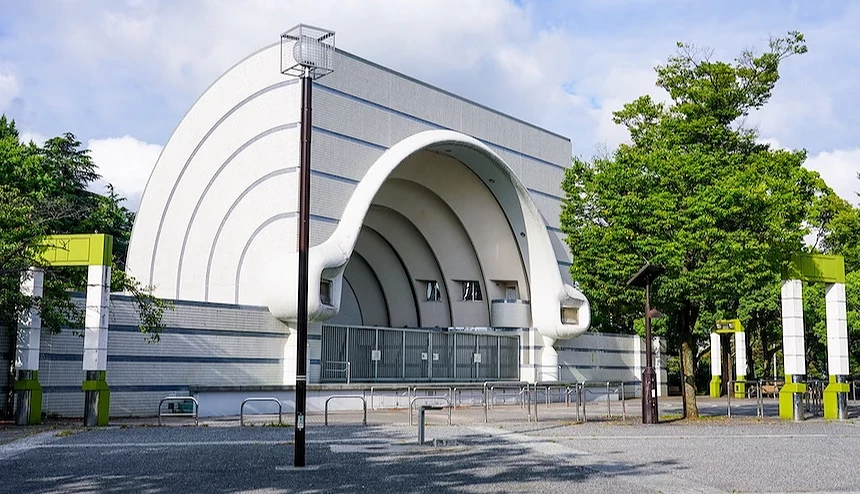
| Area B (South Side) | Athletics stadium, basketball courts, outdoor stage, Event Plaza, international food festivals, and other events |
| Jinnan 1-chome Area | Opened in 2025; includes a skate park and shops |
How to Get to Yoyogi Park
How to Reach the Nearest Stations
Yoyogi Park is easy to reach, with several railway and subway stations nearby. Whether you are traveling from Shinjuku, Shibuya, Harajuku, or another part of central Tokyo, you can get there conveniently. Choose the nearest station based on the park entrance you want to use, then walk just a few minutes to enter the park. The location also makes it easy to combine your visit with nearby attractions such as Meiji Jingu Shrine, Harajuku, Omotesando, and Shibuya.
| Nearest Station | Railway Line | Walking Time from the Station |
|---|---|---|
| Harajuku Station | JR Yamanote Line | About 3 minutes |
| Yoyogi-koen Station | Tokyo Metro Chiyoda Line | About 3 minutes |
| Meiji-jingumae (Harajuku) Station | Tokyo Metro Chiyoda Line Fukutoshin Line | About 3 minutes |
| Yoyogi-hachiman Station | Odakyu Line | About 6 minutes |
Seasonal Highlights of Yoyogi Park
Yoyogi Park offers different scenery in every season. In spring, visitors can enjoy blooming cherry blossoms, with the Cherry Blossom Garden (Sakura no Sono) and the Kawazu cherry blossom season drawing particular attention. Summer is ideal for picnics and walks across the expansive lawns. In autumn, visitors can admire ginkgo trees, maple leaves, and the famous Keyaki Avenue (Keyaki Namiki) outside the park. Winter brings seasonal events such as the Blue Cave SHIBUYA illumination. Whether you come for cherry blossoms, golden ginkgo leaves, autumn colors, or simply to enjoy nature in the city, Yoyogi Park displays a distinct charm in every season.
Yoyogi Park in Spring
Cherry Blossom Viewing: Kawazu Cherry Trees Bloom First

Image source: Photo AC. Spring is one of the most popular seasons at Yoyogi Park. Approximately 700 cherry trees grow in the park, including Somei-yoshino, Oshima cherry, mountain cherry, and Kawazu cherry trees, allowing the blossom-viewing season to continue throughout much of spring. Kawazu cherry blossoms generally bloom first, from mid-February to early March, while Somei-yoshino trees usually reach full bloom from late March to early April. The Cherry Blossom Garden (Sakura no Sono) and Central Plaza are the park’s main blossom-viewing areas. During the season, many visitors bring picnic mats and enjoy hanami picnics beneath the trees.
In addition to Yoyogi Park, Tokyo has many other famous cherry blossom destinations, each with its own character. The following Tokyo cherry blossom guide covers major viewing spots, blooming periods, and transportation information to help you plan the most suitable route.
Yoyogi Park in Summer
Picnics and Cycling

Image source: Photo AC. Yoyogi Park is lush and green in summer. Its broad lawns and dense shade provide comfortable places to rest, making the park a popular destination for picnics and walks. Central Plaza is one of the most popular picnic areas in the park. There is also a cycling course approximately two kilometers long, along with bicycle rental services. Families and couples alike can enjoy a leisurely ride and relax in this urban green space.
Bicycle Rentals
・Closed: Mondays (or the following day when Monday is a national holiday), and December 29 to January 3
・Hours: 9:00–16:30 (last rental at 16:00)
・Reference rental fees: Standard bicycle, ¥210 per hour; bicycle with training wheels, ¥100 per hour; tandem bicycle, ¥210 per lap; helmet, ¥100. These prices apply from December 2025. Check official announcements for the latest information.
Yoyogi Park in Autumn
See Ginkgo and Maple Leaves and Walk Along Keyaki Avenue

In autumn, Yoyogi Park takes on vivid seasonal colors. The park contains many zelkova, ginkgo, and maple trees, which gradually turn golden yellow and fiery red from November onward, depending on the species. The ginkgo avenue near Harajuku Gate is one of the best-known places to see golden foliage, with the best viewing period generally from late November to early December. Maple leaves can be seen around the fountains, with peak autumn colors usually occurring from mid-November to mid-December. Keyaki Avenue (Keyaki Namiki), which extends along the outside of the park, is also a popular place for autumn walks and photography. Some areas around the fountains may currently be temporarily inaccessible due to renovation work, so check the official Yoyogi Park website for the latest construction and access information before visiting.
Yoyogi Park is not the only place worth visiting for Tokyo’s captivating autumn scenery. The city also has many famous locations for viewing ginkgo and maple leaves. The following guide to Tokyo’s autumn foliage and ginkgo spots provides a quick overview of each destination’s features, the best viewing periods, and transportation options, helping you plan an autumn walk through Tokyo.
Yoyogi Park in Winter
Winter Illumination: Blue Cave SHIBUYA

In addition to its quiet winter scenery, Yoyogi Park hosts Blue Cave SHIBUYA, one of Tokyo’s signature winter illumination events, every December. During the event, blue lights illuminate an approximately 900-meter route extending from Shibuya Koen-dori to Keyaki Avenue at Yoyogi Park, creating a dreamlike tunnel of blue light that attracts many visitors for walks and photographs. Admission is free, making it one of the seasonal highlights not to miss when visiting Yoyogi Park in winter.
The 2025 Blue Cave SHIBUYA event was held from December 4 to December 25, 2025. Information for 2026 has not yet been announced. If you plan to visit in winter, use the 2025 event details below as a reference when planning your itinerary, and check the latest official announcements again before departure.
Recommended Events at Yoyogi Park
Yoyogi Park’s Event Plaza and Keyaki Avenue host a wide variety of activities throughout the year, making the area one of Tokyo’s best-known event venues. Food festivals, international cultural festivals, flea markets, music events, and markets take place in nearly every season, each with a different theme. These events attract many local residents and visitors and make every trip to Yoyogi Park a different experience. Event dates and programs may change each year, so check the calendar on the official Yoyogi Park website for the latest information before visiting.
Markets and Flea Markets at Yoyogi Park
If your visit coincides with an event, it is highly recommended to browse one of Yoyogi Park’s popular markets. The Yoyogi Park Big Free Market is known for secondhand goods, vintage clothing, and handmade crafts, making it ideal for treasure hunting and finding distinctive items. The Tokyo Flea Market (Tokyo Nomi no Ichi) brings together stalls selling vintage tools, antiques, vintage clothing, food, and more, and is a large market especially popular with arts and culture enthusiasts. Earth Garden focuses on organic food, eco-friendly products, and environmentally conscious ideas, offering both distinctive merchandise and a lively market atmosphere rooted in everyday life.
| Event | Schedule | Venue | Official Website |
|---|---|---|---|
| Yoyogi Park Big Free Market | Held irregularly | Event Plaza | Official Website |
| Tokyo Flea Market | Every May | Keyaki Avenue | Official Website |
| earth garden | Held irregularly in spring, summer, and autumn; see the official website for the latest dates | Event Plaza and Keyaki Avenue | Official Website |
International Food and Cultural Festivals at Yoyogi Park
Yoyogi Park also hosts international food and cultural festivals at various times throughout the year, including Vietnamese, Cambodian, Lao, and Spanish festivals. These events allow visitors to experience the cultures and signature foods of different countries without leaving Japan. The annual Taiwan Festa (Taiwan Festa in Yoyogi Park) and Thai Festival are among the most popular events, bringing together numerous food stalls, cultural performances, and specialty products and attracting large crowds. Most events offer free admission and are ideal for a half-day or full-day outing, allowing visitors to sample distinctive dishes from around the world while enjoying a lively festival atmosphere.
Overview of Events by Month
| May | Thai Festival |
|---|---|
| June | African Cultural Festival Jamaica Festival Tokyo Pride Parade |
| July | Taiwan Festa |
| October | Hokkaido Festival and other Japanese regional product festivals |
Yoyogi Park Event Plaza
・Address: 2-3 Jinnan, Shibuya-ku, Tokyo
・Access: About a 10-minute walk from the West Exit of JR Harajuku Station
・Event Calendar Information
Jinnan 1-chome Area (BE STAGE)
・Address: 1-1-1 Jinnan, Shibuya-ku, Tokyo
・Access: About an 8-minute walk from the West Exit of JR Harajuku Station
Attractions Near Yoyogi Park
Yoyogi Park is located in one of Tokyo’s most popular sightseeing areas, surrounded by many classic attractions. Whether you want to visit Meiji Jingu Shrine, explore Harajuku and Takeshita Street, walk along Omotesando, or head to Shibuya for shopping and dining, these destinations can be connected easily on foot or by a short train ride. The area is ideal for a one-day walking itinerary that combines Tokyo’s natural scenery, culture, and fashion.
Meiji Jingu Shrine

Meiji Jingu Shrine is directly adjacent to Yoyogi Park and can be reached easily on foot, making it a top choice for visitors combining the two destinations. The shrine grounds contain the approximately 70-hectare Meiji Jingu Forest, a lush and tranquil area that contrasts sharply with the busy city streets. For this reason, many people also regard it as one of Tokyo’s representative spiritual power spots. Whether you walk along the approach, visit the shrine, or simply take in the peaceful forest atmosphere, it is well worth including Meiji Jingu Shrine in the same outing as Yoyogi Park.
Recommended Reading:[Meiji Jingu Shrine Tokyo 2026]How to Pray, Omamori, Top Attractions, Dining & Transport Tips
Harajuku

Harajuku is within walking distance of Yoyogi Park’s Harajuku Gate and is one of Tokyo’s best-known centers of fashion and youth culture. The neighborhood is filled with independent boutiques, trendy clothing stores, distinctive desserts, and cafés. Whether you want to experience contemporary youth culture or enjoy relaxed shopping, you will find something of interest here. Harajuku is also one of the most popular areas that many visitors consider essential to a Tokyo itinerary.
Takeshita Street

Takeshita Street is directly opposite JR Harajuku Station. This popular shopping street is approximately 350 meters long and is one of the defining streets of Harajuku fashion culture. Both sides are lined with dessert shops, fashion stores, distinctive variety shops, and trending foods, creating a youthful and energetic atmosphere. Whether you want to try the latest popular sweets, shop, or experience Harajuku’s unique street culture, it is an excellent place to include in your visit.
Omotesando

Omotesando is within walking distance of Harajuku. Known for its zelkova-lined boulevard and stylish streetscape, it is one of Tokyo’s premier upscale shopping districts. The avenue is home to numerous luxury brands, popular cafés, and architecturally distinctive buildings. In addition to shopping, it is an excellent place to appreciate architectural design and urban scenery. Compared with the lively atmosphere of Takeshita Street, Omotesando feels more mature and elegant, presenting a completely different side of Tokyo.
Shibuya
Shibuya is approximately a 15-minute walk from Yoyogi Park, or one stop by train from JR Harajuku Station, and is one of Tokyo’s most iconic entertainment districts. It is home to the famous Shibuya Scramble Crossing, the Hachiko statue, and a growing number of modern commercial complexes, offering a broad range of shopping, dining, and entertainment experiences. Whether you shop during the day or admire the neon-lit streets at night, you can experience Tokyo’s energetic urban atmosphere.
Yoyogi Park is more than an oasis in central Tokyo. As the seasons change, it offers cherry blossoms in spring, picnics in summer, maple and ginkgo foliage in autumn, and illumination events in winter, with a different character at every time of year. Its proximity to popular destinations such as Harajuku, Meiji Jingu Shrine, Omotesando, and Shibuya also makes it an ideal place to walk and rest during an independent trip to Tokyo. On your next visit, set aside some time for a leisurely walk through Yoyogi Park and experience a rare combination of nature and a slower pace in the middle of the bustling city.
Yoyogi Park FAQs
1. How Much Time Should I Allow to Visit Yoyogi Park?
A visit to Yoyogi Park generally takes about one to three hours, depending on your itinerary. If you only want to take a simple walk and enjoy the scenery, around one hour is sufficient. To explore the park at a relaxed pace, picnic in Central Plaza, or go cycling, allow at least two to three hours.
2. Is Yoyogi Park Safe at Night?
Yoyogi Park is generally accessible at night, but some areas have limited lighting. Avoid going deep into isolated wooded paths and stay near the main roads and entrances whenever possible.
3. Are There Public Restrooms and Lockers at Yoyogi Park?
Public restrooms are available throughout Yoyogi Park, and visitors can use the facilities nearest to their location. The park does not have many large lockers for storing luggage. If you are carrying bags, use the lockers at a nearby station, such as JR Harajuku Station or Tokyo Metro Meiji-jingumae (Harajuku) Station.
4. Can I Have a Picnic at Yoyogi Park, and What Should I Keep in Mind?
Picnics are permitted at Yoyogi Park, and Central Plaza is one of the park’s most popular picnic areas. Sort your waste and take all trash with you to help keep the park clean. Access and usage rules in certain areas may change because of events or park management requirements, so check the latest official announcements before visiting.
5. Does Yoyogi Park Have Running Paths, Basketball Courts, and Other Sports Facilities?
Yoyogi Park has paths suitable for jogging and walking and is a popular urban recreation and exercise destination in Tokyo. The park also has some sports areas, although it does not offer the full range of courts and facilities found in a large dedicated sports park. If you plan to play basketball or take part in another specific activity, check the latest official information on facility availability in advance.
6. Are Meiji Jingu Shrine and Yoyogi Park the Same Place?
Meiji Jingu Shrine and Yoyogi Park are separate places, but they are located next to each other. You can walk from Yoyogi Park to Meiji Jingu Shrine easily, making them ideal to visit on the same day.