
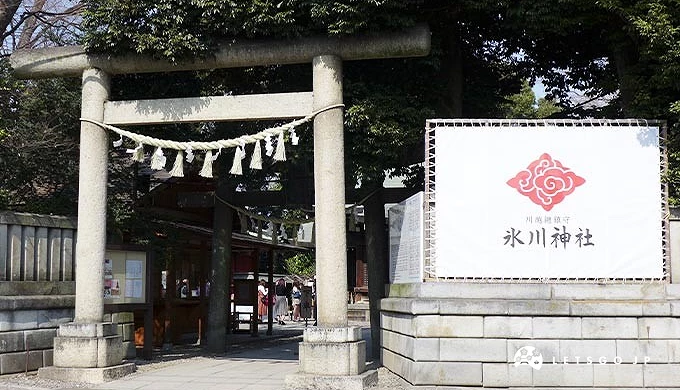
Located in Kawagoe, the charming “Little Edo,” Kawagoe Hikawa Shrine has a history of about 1,500 years and is one of Japan's most popular places for prayers related to love and relationships. The shrine enshrines two divine married couples and has long been famous for blessings of matchmaking, marital harmony, and family happiness. This guide brings together practical worship and transportation information, must-see highlights, distinctive shrine items, different ways to pray for good relationships, the romantic summer “Enmusubi Wind Chime Festival,” and recommended nearby attractions.

Kawagoe Hikawa Shrine, located in Kawagoe City, Saitama Prefecture, was founded in 541 and has a history of approximately 1,500 years. After Kawagoe Castle was built, it became the area's principal guardian shrine and protector of the castle town. The shrine enshrines five deities, including Susanoo-no-Mikoto and Kushinadahime-no-Mikoto. Because these include two married divine couples, the shrine has long been renowned for blessings related to matchmaking, marital harmony, and family happiness.
At the entrance stands a massive wooden torii gate about 15 meters high, with the shrine name plaque above it handwritten by Katsu Kaishu, a prominent figure of the late Edo period. In addition, the main sanctuary, covered with intricate Edo-period carvings, was recommended by the Council for Cultural Affairs in 2026 for designation as an Important Cultural Property of Japan, making it a historic structure well worth examining during your visit.
Kawagoe Hikawa Shrine Visitor Information
Admission to Kawagoe Hikawa Shrine is free, and visitors may worship freely within the grounds. If you would like to purchase omamori or receive a goshuin, visit the shrine office. For a typical sightseeing visit, allow about 30 minutes to 1 hour; during festivals or other busy periods, it is better to allow extra time. If you plan to arrive early in the morning to receive the daily limited “Enmusubi Tama,” be sure to plan your morning transportation or accommodation in advance.
| Item | Fee |
|---|---|
| Worship | Free |
| Enmusubi Tama (Matchmaking Stone) | Free (Limited to 20 per day) |
| Fishing Sea Bream Omikuji | ¥300 |
| Hitogata Nagashi | Hatsuho-ryo Offering About ¥100 |
※ Please refer to the official website for the latest information
Address: 2-11-3 Miyashitamachi, Kawagoe, Saitama Prefecture
Opening Hours: Open 24 hours ※ Shrine Office 8:00–18:00
Recommended Visit Duration: About 30 minutes–1 hour, including drawing omikuji
Transportation to Kawagoe Hikawa Shrine

The nearest stations to Hikawa Shrine are Kawagoe Station on the JR and Tobu Tojo lines, and Hon-Kawagoe Station on the Seibu Shinjuku Line. Since the shrine is some distance from the stations, the official recommendation is to transfer to a bus. If you are planning a Kawagoe day trip, it is most convenient to visit Hikawa Shrine before or after exploring the Kurazukuri Old Town.
Kawagoe has two sightseeing loop buses, each offering a one-day pass, as well as discount packages that can be combined with round-trip train travel from Tokyo. For the easiest way to reach Kawagoe and the most cost-effective ticket options, see the complete Kawagoe transportation guide below.
By Bus: Available from Both Kawagoe Station and Hon-Kawagoe Station
Regular Route Bus
| Transportation | Bus Stop | Travel Time |
|---|---|---|
| Kawagoe 01, Kawagoe 02, Kawagoe 03 | Kitamachi (about 5 minutes on foot) | About 15 minutes |
| Kawagoe 06 | Kawagoe Hikawa Shrine | About 10 minutes |
Sightseeing Bus
| Transportation | Departure | Bus Stop | Travel Time |
|---|---|---|---|
| Koedo Famous Sights Sightseeing Bus (Mei 01 / Mei 03) | Kawagoe Station (East Exit) | Kawagoe Hikawa Shrine | About 10 minutes |
| Koedo Loop Bus | Kawagoe Station (West Exit) Hon-Kawagoe Station | Hikawa Shrine-mae | About 20 minutes |
Tip
All travel times above are approximate. Bus route numbers, fares, and schedules may change, so please refer to announcements from the bus operators and signs at the bus stops.
On Foot: About 20–30 Minutes
Hikawa Shrine is about a 20-minute walk from Hon-Kawagoe Station and about a 30-minute walk from Kawagoe Station. Since the route passes through the lively Kurazukuri Old Town, walking directly from the station can actually be more efficient if you do not want to wait for a bus. If you also want to explore the old streets and Kashiya Yokocho, it is recommended to take a bus to the shrine in the morning, then slowly walk back toward the old town after worshipping.
Must-See Highlights at Kawagoe Hikawa Shrine
In addition to the shrine's many matchmaking rituals, several historical sights and buildings are worth a closer look, from the impressive giant wooden torii gate to the intricate carvings of the main sanctuary. There are highlights throughout the grounds.
Great Torii Gate

The giant torii gate at the entrance to Hikawa Shrine stands about 15 meters tall and is one of the largest wooden torii gates in Japan. The shrine name plaque hanging above it was handwritten by Katsu Kaishu, the famous late-Edo historical figure, making the gate one of the shrine's most iconic landmarks.
Edo-Period Carvings on the Main Sanctuary

The main sanctuary of Hikawa Shrine was built in the late Edo period and is covered on all sides with intricate Edo-style carvings. Created over seven years by renowned sculptors including Shimamura Genzo and Iida Iwajiro, many of the carvings are themed around the festival floats and figures of the Kawagoe Hikawa Festival, beautifully reflecting local festival culture. In May 2026, the main sanctuary of Kawagoe Hikawa Shrine was recommended by the Council for Cultural Affairs for designation as an Important Cultural Property of Japan, with the designation to take formal effect after publication in the Official Gazette. Be sure to take your time appreciating these carvings when you visit.
Sacred Tree

Standing quietly behind the main sanctuary, the “Sacred Tree” is a massive zelkova more than 600 years old. A dedicated stone path surrounds the tree, allowing worshippers to slowly walk around it in a figure-eight pattern, symbolizing good fortune. It is one of the shrine's unique prayer rituals.
Inu-iwa Rock

In one corner of the shrine grounds is a uniquely shaped natural stone known as “Inu-iwa Rock.” Its outline resembles the face of a dog looking toward the shrine. According to tradition, gently touching the rock is believed to bring blessings for children and safe childbirth.
Matchmaking Experiences at Kawagoe Hikawa Shrine
One of the most appealing features of Kawagoe Hikawa Shrine is the way it transforms “enmusubi,” or forming good bonds, into hands-on rituals. These include the limited Enmusubi Tama that visitors line up to receive, the Hitogata Nagashi purification ritual that washes away misfortune using flowing water and paper figures, and the atmospheric Ema Tunnel filled with written wishes.
Enmusubi Tama (Matchmaking Stone)

These clean pebbles from the shrine grounds are carefully wrapped by shrine maidens in pure white hemp netting and are among the shrine's most representative sacred items for matchmaking. Only 20 are distributed each day, limited to one per person. Numbered tickets are usually handed out around 6:00 a.m., with distribution beginning at 8:00 a.m. On popular holidays they can run out very quickly, so anyone hoping to pray for a good match should arrive early.
Hitogata Nagashi

“Hitogata Nagashi” is a purification ritual using small paper figures made from white washi paper to absorb and carry away misfortune. Worshippers follow the instructions by blowing onto the paper figure, gently touching it to areas of the body that feel unwell, and finally placing it into the small stream on the shrine grounds so that the water carries it away. You can place a hatsuho-ryo offering of about ¥100 into the wooden box beside the stream, take a paper figure, and perform the ritual yourself.
Ema Tunnel

The wooden passage beside the main sanctuary is filled with countless ema prayer plaques. It was also used as a filming location for the recent Netflix series “Glass Heart,” making it one of the shrine's most representative photo spots. Layers of ema create beautiful patterns of light and shadow as sunlight filters through the gaps. Visitors can dedicate various types of ema for matchmaking, victory, passing exams, and other wishes.
Kawagoe Hikawa Shrine Omamori
The shrine's sacred items all center around the theme of “bonds,” with suitable choices for romance, married relationships, and improving everyday personal connections. There are also the fun Sea Bream Omikuji, as well as beautifully designed limited-edition omamori and goshuin released from time to time.
Matchmaking Omamori
Enmusubi Omamori

This classic matchmaking charm has a simple and elegant design and comes in red and white. Single visitors seeking a good relationship can carry either color, while couples are encouraged to carry one color each to strengthen the bond between them.
Deai Koi Omamori

Featuring a sophisticated black background with soft pink cherry blossom motifs, this charm is designed especially for people hoping for “a new encounter.” In addition to the standard black version, striking limited-edition colors are occasionally released.
Sea Bream Omikuji

Visitors use a small fishing rod to “catch” a paper sea bream from the pool, with an omikuji fortune hidden inside. The red “Ichinen Antai” sea bream focuses mainly on overall fortune, while the pink “Ai Tai Omikuji” specializes in love and romantic encounters. Limited colors are also released during festivals. The hatsuho-ryo offering is ¥300 per fish, and you can take the paper sea bream home as a souvenir.
Goshuin and Goshuincho

Goshuin are available at the Hikawa Shrine office, which also offers an original goshuincho. Its orange-red cover is decorated with a “musubi cord” motif symbolizing the tying of good relationships, making it especially suitable for travelers praying for meaningful connections. Limited-edition goshuin and omamori are also released during seasonal festivals. The shrine office reception hours are 8:00–16:30. Please refer to the official website for hatsuho-ryo offerings and information about limited items.
Summer Festivals at Kawagoe Hikawa Shrine
Summer is the most magical season at Kawagoe Hikawa Shrine. During the annual “Enmusubi Wind Chime Festival,” around 1,500 colorful Edo wind chimes are hung throughout the grounds, along with decorations inspired by Tanabata. In addition, the poetic “Tanabata Festival” is held every August 7, allowing worshippers to write their wishes on tanzaku strips and offer prayers.
Enmusubi Wind Chime Festival

Every summer during the “Enmusubi Wind Chime Festival,” numerous frames are set up throughout Hikawa Shrine and more than 2,000 ringing Edo wind chimes are hung from them, creating the shrine's most popular photo corridor. Visitors can write wishes on wooden tanzaku strips and hang them from the wind chimes so that the breeze carries their wishes to the deities. At night, the grounds are illuminated, creating a dreamy scene reminiscent of the Milky Way at Tanabata. Limited-edition shrine items are also released during the festival, allowing visitors to enjoy a magical summer experience centered on matchmaking and meaningful bonds.
Wish Tanzaku: Write Your Thoughts to the Wind

Write your wish on a wooden tanzaku strip and hang it from a wind chime so that the breeze can carry your feelings to the deities. This romantic matchmaking ritual is not limited to prayers for love; you can also pray for meaningful bonds with family, friends, and work.
Wind Chime Corridor and Red-Thread Wind Chime: The Most Romantic Summer Photo Spot

The corridor built from wooden frames is filled with wind chimes and becomes especially poetic as sunlight filters through the surrounding greenery, making it one of Hikawa Shrine's most iconic summer scenes. Among the countless wind chimes is one unique transparent chime decorated with a red-thread motif. Because the “Red-Thread Wind Chime” is moved to a different position every day, visitors who manage to find this one-of-a-kind chime may just be lucky enough to encounter their destined match.
Evening Illumination: Wind Chimes and Stream Create a Dreamy Summer Night

After sunset, soft lights illuminate the wind chime corridor and the small stream, while ground mist is occasionally released to create a dreamy night scene reminiscent of the Tanabata Milky Way. Arriving in the late afternoon allows you to enjoy both the refreshing daytime atmosphere and the magical evening scenery. Please check the official website for the latest illumination times and information about nighttime visits.
Limited Omamori and Goshuin: Take the Summer Wind Chimes Home

During the festival, summery Edo wind chimes and limited wind-chime-themed omamori and goshuin are offered, allowing travelers to take home beautiful memories of the summer festival. Distribution dates and available items may change, so please refer to the latest official website announcements.
Tanabata Festival

Hikawa Shrine holds a grand Tanabata Festival every August 7. Worshippers can write wishes on tanzaku strips and tie them to bamboo branches within the shrine grounds. After the festival ceremony, participants may also receive a “Tanabata Manju” symbolizing good fortune. Event times and details may vary slightly each year, so please refer to the latest official announcement.
Things to Do Around Kawagoe Hikawa Shrine
After worshipping at Hikawa Shrine, it is highly recommended to walk along the Shingashi River behind the shrine toward central Kawagoe. This route connects smoothly with Kawagoe's historic old town, and in spring you can also enjoy rows of cherry blossoms along the river, making the itinerary even more rewarding.
Shingashi River Cherry Blossom Promenade
The banks of the Shingashi River behind Hikawa Shrine are among Kawagoe's most representative cherry blossom spots. When the blossoms are in full bloom in spring, rows of cherry trees combine with bridges and sightseeing boats to create a picturesque scene. You can pair a shrine visit with a riverside walk to and from the old town. Because peak bloom and festival dates vary slightly each year, it is recommended to confirm the latest information before visiting.
Kawagoe Kumano Shrine
Hidden near the old town, “Kawagoe Kumano Shrine” is ideal for combining with Hikawa Shrine as part of a shrine-hopping route. Its distinctive features include “Zeniarai Benzaiten,” where visitors pray for financial fortune by washing money, and the sacred three-legged crow “Yatagarasu.” It is a worthwhile spiritual stop when traveling from Hikawa Shrine toward the old town.
Kurazukuri Old Town and Kashiya Yokocho
Walking south from Hikawa Shrine leads directly to Kawagoe's most iconic “Kurazukuri Old Town.” Along the way are long-established shops selling delicious Japanese sweets, as well as symbolic Kawagoe landmarks such as the “Toki no Kane Bell Tower” and “Kashiya Yokocho.” If combining these with Hikawa Shrine, the smoothest itinerary is to visit the shrine in the morning, then return to the old town around noon for souvenir shopping and sweets.
“Little Edo” Kawagoe offers far more than historic streets and matchmaking shrines. With a wide variety of sweet potato dishes and souvenirs, seasonal festivals, and even a Chiikawa-themed shop, it is well worth spending an entire day here. Follow the complete Kawagoe day-trip guide to plan your next journey.
Kawagoe Hikawa Shrine is a historic matchmaking shrine where visitors can experience a variety of rituals related to meaningful bonds, as well as the enchanting summer Wind Chime Festival. Combined with Kawagoe's historic old town, it makes a perfect day trip from Tokyo filled with Little Edo atmosphere. Anyone planning a trip to Tokyo should consider setting aside time for a Kawagoe matchmaking journey and return home with plenty of happiness and good fortune.
Kawagoe Hikawa Shrine FAQ
1. What Are the Best Experiences at Kawagoe Hikawa Shrine?
For a first visit, prioritize fishing for a Sea Bream Omikuji and taking photos in the Ema Tunnel. If visiting in summer, also take photos in the Wind Chime Corridor and look for limited-edition omamori and goshuin. If you want to receive the daily limited Enmusubi Tama, you will need to arrive very early in the morning and queue.
2. Is There an Admission Fee to Visit Kawagoe Hikawa Shrine?
Visitors may freely enter and worship at Kawagoe Hikawa Shrine without paying admission. Omamori, omikuji, goshuin, and other sacred items require separate offerings depending on the item. The Enmusubi Tama are limited to 20 per day, and visitors need to arrive in the morning to receive a numbered ticket and wait for distribution.
3. What Is the Most Convenient Way to Get from Kawagoe Station to Hikawa Shrine?
Kawagoe Hikawa Shrine is some distance from the station, so taking a bus is the most convenient option. From Kawagoe Station, you can take a Tobu Bus or the Koedo Famous Sights Sightseeing Bus and get off at “Kawagoe Hikawa Shrine.” Alternatively, get off at “Kitamachi” and walk about 5 minutes. If taking the Koedo Loop Bus, get off at “Hikawa Shrine-mae.”
4. How Early Should You Arrive to Receive an Enmusubi Tama?
According to official information, numbered tickets are usually handed out from around 6:00 a.m., with distribution beginning at 8:00 a.m. Since only 20 are available each day, they may run out very early on popular holidays. If receiving an Enmusubi Tama is your main goal, make the “morning queue” the first item on your itinerary and arrive as early as possible. Distribution quantities may increase or decrease during New Year holidays or festival periods, so follow actual on-site conditions and official announcements.
5. What Limited Summer Scenery Can You See at Kawagoe Hikawa Shrine?
Kawagoe Hikawa Shrine holds its romantic “Enmusubi Wind Chime Festival” from late June to early September each year. Around 2,000 wind chimes are hung throughout the grounds, with beautiful evening illuminations as well. A Tanabata Festival is also held on August 7, allowing visitors to write wishes on tanzaku strips and hang them from bamboo branches.
6. Can Kawagoe Hikawa Shrine and Kawagoe Old Town Be Visited on the Same Day?
Kawagoe Hikawa Shrine and Kawagoe Old Town are a classic combination for a Kawagoe day trip. The most popular route is “Kawagoe Station → Hikawa Shrine → Toki no Kane Bell Tower → Kurazukuri Old Town → Kashiya Yokocho.” If visiting in summer, you can also schedule Hikawa Shrine for the late afternoon or evening and enjoy both the daytime and nighttime atmosphere of the Enmusubi Wind Chime Festival.