
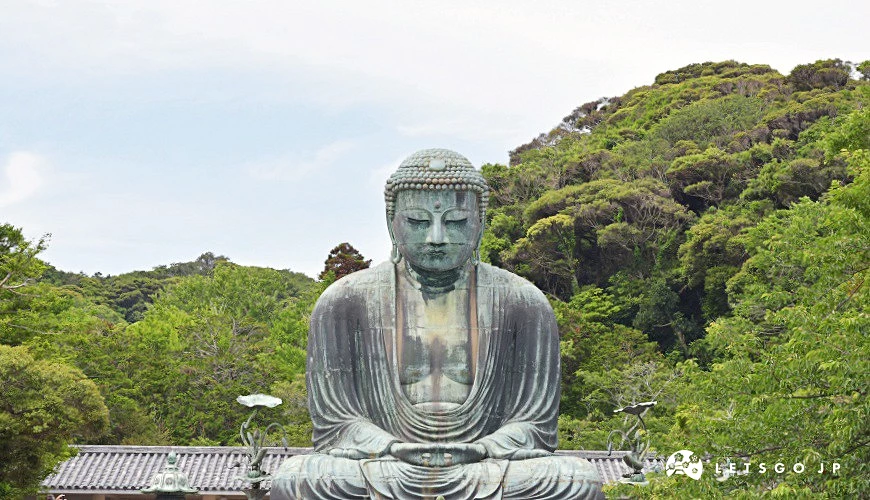
A must-visit Kamakura landmark, the Great Buddha of Kamakura sits outdoors at Kotoku-in Temple. Standing 11.3 meters tall and weighing about 121 tons, it is the only Buddhist statue in Kamakura City designated as a National Treasure. This guide covers the history of the Great Buddha, must-see highlights, the unique interior viewing experience, ticket information, transportation, and nearby attractions to help travelers plan an easy and memorable Kamakura trip!
History of Kotoku-in Temple and the Great Buddha

Kotoku-in is a Jodo sect Buddhist temple whose principal image is the bronze seated statue of Amida Nyorai commonly known as the “Great Buddha of Kamakura.” Casting of the Great Buddha began in 1252. The statue stands 11.31 meters tall and weighs about 121 tons, making it the only Buddhist statue in the Kamakura area designated as a National Treasure. The Great Buddha was originally housed inside a magnificent “Great Buddha Hall,” but after the hall collapsed due to strong winds and natural disasters, it was never rebuilt. As a result, the statue has remained seated outdoors since the late 15th century. Its distinctive appearance against a backdrop of wooded hills and open sky has become one of Kamakura's most recognizable sights.
Great Buddha of Kamakura Tickets and Opening Hours
No advance reservation is required to visit Kotoku-in Temple and the Great Buddha of Kamakura; simply purchase a ticket to enter. To preserve the sacred atmosphere and protect this National Treasure, smoking is prohibited throughout the grounds. Drones are not allowed, selfie sticks should not be used during the interior viewing of the Great Buddha, and bringing in or consuming food is strictly prohibited. If you are visiting with a pet, the animal must be fully enclosed in a dedicated carrier or pet bag before entering.
【Admission Fees】
| Adults Junior High and High School Students | ¥300 |
|---|---|
| Elementary School Students | ¥150 |
| Preschool Children | Free |
| Great Buddha Interior Viewing | Additional ¥50 |
Opening Hours: 【April–September】8:00–17:30 【October–March】8:00–17:00 Last admission is 15 minutes before closing
Great Buddha Interior Viewing Hours: 8:00–16:30 Last admission is 10 minutes before closing
Highlights of Kotoku-in Temple
Great Buddha of Kamakura

The Great Buddha of Kamakura is one of the finest representative Buddhist sculptures of the Kamakura period. Its slightly forward-leaning seated posture and serene expression are said to reflect the influence of Song-dynasty Buddhist sculpture. When viewing it up close, look carefully at details such as the urna between the eyebrows and the openings in the ears. Walk around to the back and you can also see ventilation windows in the statue. One of the biggest differences between the Great Buddha of Kamakura and the Great Buddha of Nara is that the Kamakura statue can be photographed outdoors in natural light together with seasonal scenery. Cherry blossoms in spring and autumn leaves in late fall are especially iconic scenes for photographers.
Nio Gate and the Pair of Nio Guardian Statues

The first thing you see upon arriving at Kotoku-in is the “Nio Gate” at the entrance. Both this temple gate and the large plaque reading “Daiizan” hanging above it were relocated here in the early 18th century. Inside the gate stand two imposing Nio guardian statues, one on each side, making them the first major highlight before entering the temple grounds.
Giant Straw Sandals

While walking through the corridor at Kotoku-in, you are sure to notice the enormous straw sandals hanging on the wall. Measuring 1.8 meters long, 0.9 meters wide, and weighing 45 kilograms, the sandals are handwoven and dedicated by the Matsue Children's Association in Ibaraki Prefecture. The tradition began in 1951, and since 1956 a new pair has been woven and offered every three years, with the wish that the Great Buddha may wear them to “walk throughout Japan and protect all living beings.”
Akiko Yosano Poetry Monument

Within the grounds of Kotoku-in stands a monument engraved with a poem by renowned Japanese female poet Akiko Yosano praising the Great Buddha, whom she described in the poem as a “handsome man.” The monument was erected in 1952 to commemorate the 700th anniversary of the Great Buddha's construction. Interestingly, the poem refers to the statue as “Shakyamuni,” even though the Great Buddha of Kamakura is actually Amida Nyorai—a charming historical misunderstanding.
Omamori and Goshuin
The shrine office at Kotoku-in offers a variety of beautifully designed omamori charms that are popular as both pilgrimage souvenirs and gifts. Goshuin are available in two formats: a single paper sheet that visitors can paste into their own goshuincho, or a version handwritten directly into the goshuincho by temple staff. Both are highly collectible.
Fee: 【Paper Version (for pasting)】¥300 【Handwritten Version】¥500
Reception Hours: 【Paper Version (for pasting)】8:00–16:30 【Handwritten Version】9:00–15:00
Great Buddha of Kamakura Interior Viewing
One of the most unique experiences when visiting the Great Buddha at Kotoku-in is entering the hollow interior of the statue. Inside, you can closely observe casting and joining marks dating back roughly 770 years. However, the interior is narrow and the stairs are steep, so during busy periods you may need to queue. It can also become quite hot and stuffy in summer, so please pay attention to your physical condition. The latest interior viewing fee is ¥50; if there are temporary changes, follow the on-site notice.
Fee: Additional ¥50 on top of the admission ticket
Viewing Hours: 8:00–16:30 Last admission is 10 minutes before closing
How to Get to Kotoku-in Temple

There are two main routes to Kotoku-in: one starts from JR Kamakura Station, while the other starts from Odakyu Katase-Enoshima Station and transfers to the Enoden Line for Hase Station. Since Kotoku-in does not have its own parking lot, public transportation is recommended.
From Kamakura Station to Kotoku-in
From Tokyo Station, take the JR Yokosuka Line for about 1 hour to reach Kamakura Station. Although buses also run from Kamakura Station to the Great Buddha, the most convenient option is to take the Enoden Line to Hase Station, then walk about 7 minutes from the station.
| Transportation | Enoden Railway |
|---|---|
| Route | Kamakura Station → Hase Station |
| Fare | ¥200 |
| Travel Time | About 5 minutes by train |
From Katase-Enoshima Station to Kotoku-in
If most of your itinerary is centered around Enoshima, walk from Odakyu Katase-Enoshima Station to Enoden Enoshima Station, then take the Enoden Line toward Kamakura and get off at Hase Station. Along the way, you will pass famous sights such as the “Slam Dunk Railroad Crossing,” making this route ideal for a short sightseeing trip.
| Transportation | Enoden Railway |
|---|---|
| Route | Enoshima Station → Hase Station |
| Fare | ¥260 |
| Travel Time | About 25 minutes by train |
Practical Transportation Information for Kotoku-in
If you plan to visit attractions around Kotoku-in, you will likely ride the Enoden several times in one day. In that case, the one-day unlimited Enoden pass “Noriorikun” is recommended (Adults ¥800, Children ¥400). Travelers who prefer not to walk or only want to visit the Great Buddha of Kamakura can also take an Enoden Bus (Kama 2) from the East Exit of Kamakura Station, or a Keikyu Bus (Kama 4) from Bus Stop No. 6, and get off at “Daibutsu-mae.” The Enoden Bus fare is ¥240 and the Keikyu Bus fare is ¥220, with a travel time of about 8–10 minutes.
If you are making a round trip from central Tokyo, consider purchasing the “Enoshima-Kamakura Freepass” offered by Odakyu Electric Railway. The pass includes round-trip transportation from Shinjuku and a one-day Enoden pass, making travel to Kamakura and Enoshima more convenient, comfortable, and economical.
Attractions Near Kotoku-in
After visiting the Great Buddha, if you want to make the most of your sightseeing pass, continue riding the Enoden to explore nearby attractions. Below are recommended sights along the Enoden Line that are easy to combine with your visit.
Kamakura, home to the Great Buddha, is one of Japan's three great historic capitals and features numerous historic attractions and charming old-fashioned shopping streets. It is well worth spending a full day exploring. For more popular Kamakura attractions and itinerary suggestions, see the complete Kamakura travel guide below.
Hasedera Temple

About a 5–10 minute walk from Kotoku-in, Hasedera Temple is famous for its magnificent eleven-headed Kannon statue and beautiful hydrangeas. Together with the Great Buddha of Kamakura, it is one of the two must-visit attractions around Hase Station.
Kamakurakokomae Railroad Crossing (Slam Dunk Scene)

This railroad crossing, about 15 minutes from Hase Station by Enoden, appeared in the opening sequence of the classic anime “Slam Dunk.” Every year it attracts countless anime fans on pilgrimage, while the beautiful scene of the Shonan coast together with the green Enoden train is also a favorite photography spot.
Enoshima

Take the Enoden from Hase Station toward Fujisawa for about 25 minutes to reach the famous sightseeing destination of Enoshima. The island features Enoshima Shrine, an observation lighthouse, abundant seafood, expansive coastal views, and beautiful sunsets, making it a classic one-day combination with the Great Buddha of Kamakura.
Recommended reading:Enoshima Day Trip Guide: Top Attractions, Transportation, Food & Recommended Hotels
Komachi-dori Street and Tsurugaoka Hachimangu Shrine

After returning to Kamakura Station, it is recommended to visit Komachi-dori, a popular food and shopping street near the East Exit, as well as Tsurugaoka Hachimangu Shrine, a spiritual symbol of Kamakura. You can pray for some extra good luck while also enjoying street food and souvenir shopping as the perfect ending to your Kamakura trip.
Recommended reading:Tsurugaoka Hachimangu Shrine Guide: Cherry Blossom Tunnel, Pigeon Charms, Transportation & Admission Information
Kotoku-in Souvenirs
Inside Kotoku-in and along the nearby shopping streets, you can find many souvenirs themed around the Great Buddha of Kamakura. After your solemn temple visit, do not forget to take home some Great Buddha-themed sweets or small goods to share with family and friends.
Daibutsu-yaki (Ningyo-yaki)
“Daibutsu-yaki,” a sweet shaped like the face of the Great Buddha, is one of the most representative souvenirs around Hase Station and Kamakura Station. Freshly baked, it has a golden, soft exterior and is usually filled with sweet red bean paste. It is ideal for eating while walking, and beautifully packaged gift boxes are also available.
Great Buddha Souvenirs and Small Goods
Keychains, postcards, hand towels, and other everyday items featuring Great Buddha designs are all popular souvenirs. Shops along the route from Hase Station to Kotoku-in carry a wide variety of Great Buddha merchandise, making it a great area for travelers who feel a special connection with the statue to enjoy souvenir hunting.
The outdoor Great Buddha of Kamakura has a rich history worth appreciating and is a National Treasure-level landmark of Japan. From entering the interior of the statue to exploring the food and attractions around the temple, the experience can leave a lasting impression on any Kamakura trip. The next time you plan an excursion from Tokyo, consider adding the Great Buddha at Kotoku-in to your itinerary and experience its solemn presence spanning more than 700 years.
Kotoku-in Visitor FAQ
1. How Much Time Do You Need to Visit Kotoku-in?
The grounds of Kotoku-in are not very large, and most visitors can finish exploring in about 30 minutes to 1 hour. If you plan to enter the Great Buddha and take photos, allowing a full hour will make the visit more relaxed.
2. Is the Interior of the Great Buddha of Kamakura Currently Open to Visitors?
The interior of the Great Buddha of Kamakura is currently open year-round. Viewing hours are 8:00–16:30. The standard admission ticket does not include interior viewing, so an additional fee of ¥50 is required.
3. Do You Need to Reserve or Buy Tickets in Advance for the Great Buddha of Kamakura?
No reservation is required to visit the Great Buddha of Kamakura. After arriving at Kotoku-in, simply purchase your ticket at the ticket office behind the Nio Gate. The standard adult admission fee is ¥300.
4. What Is the Difference Between the Great Buddha of Kamakura and the Great Buddha of Nara?
The Great Buddha of Nara is housed inside a magnificent Great Buddha Hall and represents Vairocana Buddha; it is also larger in size. The Great Buddha of Kamakura is an outdoor statue of Amida Nyorai, and visitors are allowed to enter its interior. Both are among Japan's most representative Great Buddha statues.
5. Can You Bring Food into Kotoku-in for a Picnic?
No. Eating, drinking, and bringing food into the grounds of Kotoku-in are strictly prohibited, and the entire temple is non-smoking. If you are traveling with a pet, the animal must be fully enclosed in a dedicated carrier or bag before entering.
6. Can You Still See Kangetsudo Hall at Kotoku-in?
Kangetsudo Hall was dismantled in 2024 and formally transferred to a related institution in South Korea in June 2025. The Kannon statue that had originally been housed there is therefore temporarily unavailable for public viewing. The temple plans to reconstruct the hall around 2027.