
From Tokyo, it takes as little as about 30 minutes to reach Kawagoe in Saitama, known as “Little Edo.” In addition to classic day-trip attractions such as the Kurazukuri Old Town, Toki no Kane Bell Tower, Kashiya Yokocho, Kawagoe Hikawa Shrine, and Kitain Temple, visitors can also rent a kimono and enjoy eel rice and sweet potato desserts. This guide covers transportation from Tokyo to Kawagoe, recommended one-day itineraries, food, seasonal events, and accommodation to help you plan your trip with ease.

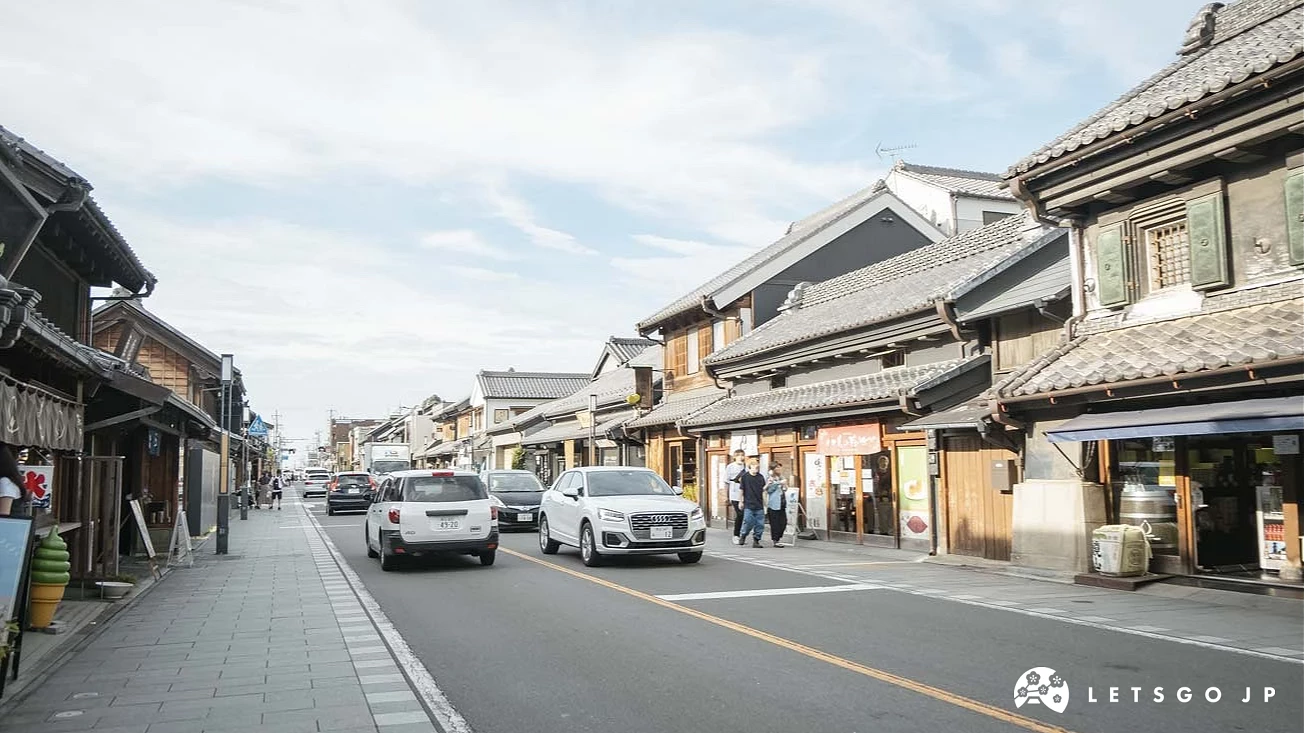
Kawagoe City in Saitama Prefecture prospered around Kawagoe Castle during the Edo period. Through boat transportation on the Shingashi River, the city maintained active commercial and cultural exchange with Edo, earning the nickname “Little Edo.” After the Great Kawagoe Fire of 1893, local merchants rebuilt many shops in the thick, sturdy, fire-resistant “kurazukuri” warehouse style. Today, streets lined with old buildings featuring black tiled roofs and heavy exterior walls still make visitors feel as if they have stepped back into the Edo period, creating one of Kawagoe's most iconic scenes.
Most of Kawagoe's major attractions are concentrated in the city center. Historic streets, shrines, temples, and castle ruins can generally be connected on foot or by bus, making the area ideal for a day trip from Tokyo. It is especially recommended for travelers who enjoy old streets, kimono photography, and shrine visits. Many scenes in the anime Kamisama Kiss are also set at attractions in Kawagoe, and fans can follow officially planned location routes for an anime pilgrimage.
Transportation in Kawagoe

There are three main routes from Tokyo to Kawagoe: the Tobu Tojo Line, the JR Saikyo Line connecting to the Kawagoe Line, and the Seibu Shinjuku Line. From Ikebukuro, the Tobu Tojo Line can reach Kawagoe Station in as little as about 26 minutes. From Shinjuku, JR services run via the Saikyo Line directly onto the Kawagoe Line to Kawagoe Station. From Seibu-Shinjuku Station, take the Seibu Shinjuku Line to Hon-Kawagoe Station. Kawagoe Station is convenient for transferring to city buses, Hon-Kawagoe Station is closer to the historic district, and Kawagoeshi Station is another central station on the Tobu Tojo Line. Each station has its own advantages, so choose according to your itinerary.
After arriving in Kawagoe, it is recommended to combine walking with Tobu buses or the Koedo Loop Bus. If your itinerary is focused around the historic district, buying single bus fares as needed is usually sufficient. If you plan to visit more scattered attractions such as Hikawa Shrine and Kawagoe Castle Honmaru Goten, consider a one-day bus pass or related sightseeing pass. For differences between stations, discount tickets, and bus information, see the Kawagoe transportation guide below.
Kawagoe Attractions
For a first visit to Kawagoe, the attractions can be divided into three main areas: the Historic District, the Shrine Area, and the Castle Ruins and Historic Temples Area. Kurazukuri Old Town, Toki no Kane, Kashiya Yokocho, and Kawagoe Hikawa Shrine are the best choices for a basic route. If you have more time, add Kitain Temple, Kawagoe Castle Honmaru Goten, and the Kawagoe City Museum. For photos with an even stronger Little Edo atmosphere, consider renting a kimono before starting your tour.
Historic District
Most of Kawagoe's classic attractions are concentrated in the Historic District. Starting from Taisho Roman Yume-dori Street and heading north, you can visit Kurazukuri Ichibangai, Toki no Kane, and Kashiya Yokocho in sequence, with wagashi shops, sweet potato desserts, and souvenir stores along the way. This area is not pedestrian-only and regular vehicles still use the roads, so be careful when taking photos or eating while walking, and do not stand in the middle of the roadway.
Koedo Kawagoe Ichibangai Shopping Street and Kurazukuri Historic Buildings

Kurazukuri Ichibangai is Kawagoe's most representative historic street. After the Great Fire of 1893, many merchants rebuilt their shops using the more fire-resistant kurazukuri style. Old buildings with black tiled roofs and thick exterior walls, together with historic businesses, line the street, which is now designated as an Important Preservation District for Groups of Traditional Buildings. The area is filled with wagashi shops, restaurants, cafes, and souvenir stores and is ideal for a leisurely stroll. However, regular vehicles use Kurazukuri Ichibangai, and pedestrian traffic can be heavy during busy periods, so do not stand in the roadway when taking photos.
Toki no Kane Bell Tower

The approximately 16-meter-high “Toki no Kane” is one of Kawagoe's best-known landmarks. The current bell tower was rebuilt the year after the Great Kawagoe Fire of 1893. Today, the bell still rings automatically at 6:00, 12:00, 15:00, and 18:00 and has been selected by Japan's Ministry of the Environment as one of the “100 Soundscapes of Japan to Preserve.” Passing beneath the tower to worship at Yakushi Shrine is one of the must-do experiences in Kawagoe.
Kashiya Yokocho

The stone-paved lanes of Kashiya Yokocho are home to around 30 candy, snack, and street-food shops offering traditional Japanese sweets, senbei rice crackers, dango, and Kawagoe's famous sweet potato treats. The aromas of candy, mint sweets, and grilled soy sauce blend in the air, earning the area recognition as one of the Ministry of the Environment's “100 Scent Landscapes.” The “Chiikawa MOGUMOGU Honpo Kawagoe Store,” which opened in 2025, is also located here, making it a must for Chiikawa fans.
Taisho Roman Yume-dori Street

Taisho Roman Yume-dori Street is known for its stone-paved road and retro architecture, where traditional Japanese houses, kurazukuri buildings, and modern Western-style structures stand side by side. Compared with the heavy black-tiled buildings of Ichibangai, it offers a different atmosphere. The street is lined with cafes, long-established restaurants, and shops, making it ideal for strolling and taking photos in kimono and also a good lunch area before entering the Kurazukuri Old Town.
Starbucks Coffee Kawagoe Kanetsuki-dori

Located near Toki no Kane, “Starbucks Coffee Kawagoe Kanetsuki-dori” features a simple wood-toned exterior that blends quietly into Kawagoe's retro Edo-style streetscape. Inside, visitors can see traditional Kawagoe textiles used as decoration, an open central courtyard bringing in natural light, and a green garden with terrace seating at the rear. After walking around the old streets, it is a pleasant place to stop for a coffee and rest in a historic atmosphere.
Kawagoe Hikawa Shrine

Kawagoe Hikawa Shrine has a history of around 1,500 years. Because the deities enshrined there form a family that includes two married couples, the shrine has long been famous for prayers for good relationships and marital harmony. After worshipping, visitors can try fishing for sea-bream-shaped omikuji fortunes with a small rod or walk through the “Ema Tunnel” filled with prayer plaques to experience the shrine's distinctive atmosphere. Kawagoe Hikawa Shrine also offers different highlights throughout the year. In spring, cherry blossoms bloom along the Shingashi River behind the shrine, while in summer the “Enmusubi Wind Chimes” event decorates the grounds with large numbers of Edo wind chimes.
Recommended Reading:Kawagoe Hikawa Shrine Guide: Enmusubi Power Spot, Marriage Stones, Omamori, Omikuji, Worship, and Transportation
Kawagoe Kumano Shrine

Kawagoe Kumano Shrine was founded in 1590 as a branch of Kumano Hongu Taisha in Kishu and is known for prayers for good luck, matchmaking, protection from misfortune, and financial fortune. The sacred three-legged crow “Yatagarasu,” symbolizing guidance toward the right path, can be seen throughout the grounds, and Yatagarasu-themed omamori and omikuji are also available. The shrine also features “Kawagoe Zeniarai Benzaiten” and the “Treasure Pond,” where visitors can wash coins in the water and carry them afterward in hopes of attracting greater fortune.
Recommended Reading:Kawagoe Kumano Shrine Guide: Yatagarasu, Money-Washing, White Snake Blessings, Omamori, and Goshuin
Kawagoe Hachimangu Shrine

Kawagoe Hachimangu Shrine was founded in 1030 and will celebrate its 1,000th anniversary in 2030. The “Married Ginkgo Trees” within the grounds are two ginkgo trees growing closely together and are regarded as a symbol of matchmaking. Visitors also pray here for good relationships, safe childbirth, and protection from misfortune. Around 300 hydrangea plants bloom every June, accompanied by seasonal displays such as a hydrangea-decorated purification basin, making it a pleasant shrine to visit while walking through central Kawagoe.
Address: 19-3 Minamitorimachi, Kawagoe, Saitama Prefecture
Worship Hours: The shrine grounds are open for worship; shrine office 9:00–17:00
Access:
About a 6-minute walk from the East Exit of Kawagoe Station on the JR and Tobu Tojo lines
About a 7-minute walk from Hon-Kawagoe Station on the Seibu Shinjuku Line
Kawagoe Castle Honmaru Goten and Kawagoe City Museum


Kawagoe Castle Honmaru Goten was built in 1848. Today, visitors can see surviving sections including the entrance, grand hall, and offices used by officials during the Edo period, offering direct traces of Kawagoe Castle's history. The adjacent Kawagoe City Museum covers the city's development from archaeological history through modern Kawagoe. Since the two attractions are very close, visiting them together is recommended.
If you also want to visit the Kawagoe City Art Museum or Kawagoe Festival Museum, Kawagoe currently offers combination admission tickets for two, three, or four facilities. Each ticket allows one entry to each participating facility within its validity period, so you can choose according to your itinerary. Actual admission fees and closure days may change, so check the latest official information before visiting.
Kawagoe Castle Honmaru Goten
Address: 2-13-1 Kuruwamachi, Kawagoe, Saitama Prefecture
Opening Hours: 9:00–17:00, last admission 16:30
Closed: Every Monday, or the following day if Monday is a national holiday; the fourth Friday of each month; and December 29–January 3
Access: Take a Tobu Bus from Kawagoe Station or Hon-Kawagoe Station to Fudanotsuji, then walk about 10 minutes
Kawagoe City Museum
Address: 2-30-1 Kuruwamachi, Kawagoe, Saitama Prefecture
Opening Hours: 9:00–17:00, last admission 16:30
Closed: Every Monday, or the following day if Monday is a national holiday; the fourth Friday of each month; and December 29–January 3
Access: Take a Tobu Bus from Kawagoe Station or Hon-Kawagoe Station to Fudanotsuji, then walk about 10 minutes
Kitain Temple

Kitain is an ancient temple with deep connections to the Tokugawa family. After most of the temple buildings were destroyed in the Great Kawagoe Fire of 1638, the third shogun, Tokugawa Iemitsu, ordered reconstruction and had several buildings from Edo Castle relocated here. Today, the guest hall contains the “Room Where Iemitsu Was Born,” traditionally regarded as Tokugawa Iemitsu's birthplace, while the study preserves the “Kasuga no Tsubone Dressing Room” associated with his wet nurse, Kasuga no Tsubone. The temple grounds also feature the Five Hundred Rakan statues, each with a different expression and pose, and in autumn visitors can enjoy gardens colored in red and yellow foliage.
Address: 1-20-1 Kosenbamachi, Kawagoe, Saitama Prefecture
Visiting Hours:
【March 1–November 23】Weekdays 9:00–16:30; Sundays and national holidays 9:00–16:50
【November 24–End of February】Weekdays 9:00–16:00; Sundays and national holidays 9:00–16:20
Access:
About a 15-minute walk from Hon-Kawagoe Station on the Seibu Shinjuku Line
About an 18-minute walk from Kawagoeshi Station on the Tobu Tojo Line
About a 20-minute walk from Kawagoe Station on the JR and Tobu Tojo lines
Senba Toshogu Shrine

Located south of Kitain Temple, Senba Toshogu Shrine also has close ties to the Tokugawa family. After Tokugawa Ieyasu died, his remains were transported from Mount Kuno to Nikko and stopped at Kitain for a memorial service. Senba Toshogu Shrine was later established within Kitain's grounds to enshrine Tokugawa Ieyasu. Several surviving structures, including the main sanctuary, worship hall, and stone torii gate, are designated Important Cultural Properties of Japan. Since the shrine is adjacent to Kitain, the two are easy to visit together. In 2026, Kitain's main gate is undergoing preservation and repair work, so access routes in some areas may be adjusted. Check the latest information before visiting.
Address: 1-21-1 Kosenbamachi, Kawagoe, Saitama Prefecture
Worship Hours:
Close-up access is generally available only on Sundays and Japanese national holidays,
Actual opening conditions are subject to official announcements and on-site information. Access: Located south of Kitain, about a 15-minute walk from Hon-Kawagoe Station
Kawagoe Kimono Rental Experience

Kurazukuri Old Town, Toki no Kane, and Taisho Roman Yume-dori Street all have a strong retro atmosphere and are ideal for strolling and taking photos in kimono. “Rikawafuku Kawagoe Store” is about a 2-minute walk from Hon-Kawagoe Station and currently accepts same-day online reservations. It offers various kimono and yukata options and can also store ordinary personal luggage.
If you plan to spend the whole day in kimono, it is recommended to change clothes soon after arriving in Kawagoe in the morning and then focus your route on the historic streets and shrines. When booking, confirm the latest check-in time for dressing and the final return time, and also check any fees for storing large luggage.
Address: 7F Actree Kawagoe, 1-3-5 Shintomicho, Kawagoe, Saitama Prefecture
Opening Hours: 9:00–18:00 (latest dressing reception 15:30; final return 17:30)
Closed: Open year-round; temporary closure may occur during typhoons or other severe weather
Access:
About a 2-minute walk from Hon-Kawagoe Station on the Seibu Shinjuku Line
About a 9-minute walk from Kawagoeshi Station on the Tobu Tojo Line
About a 14-minute walk from Kawagoe Station on the JR and Tobu Tojo lines
Kawagoe One-Day Itinerary
For a first visit to Kawagoe, it is recommended to begin with historic temples and castle remains, enjoy eel rice for lunch, walk through the old streets in the afternoon, and finish at Hikawa Shrine while traveling north to reduce backtracking. A complete route requires a full day. If you only have half a day, skip Kitain and Honmaru Goten and focus on Taisho Roman Yume-dori Street, Kurazukuri Old Town, Toki no Kane, Kashiya Yokocho, and Hikawa Shrine for a more realistic schedule.
Recommended Kawagoe One-Day Itinerary
09:30 Arrive at Hon-Kawagoe Station
↓
09:45 Kitain Temple and Senba Toshogu Shrine
↓
11:15 Kawagoe Castle Honmaru Goten and Kawagoe City Museum
↓
13:00 Enjoy eel rice around Taisho Roman Yume-dori Street
↓
14:30 Kawagoe Kumano Shrine
↓
15:00 Kurazukuri Ichibangai and Toki no Kane
↓
16:00 Kashiya Yokocho
↓
17:00 Kawagoe Hikawa Shrine
※ The itinerary times are for reference. Adjust them according to business hours, waiting times, and traffic conditions on the day.
Morning: Kitain Temple and Kawagoe Castle Honmaru Goten
After arriving at Hon-Kawagoe Station in the morning, first walk to Kitain Temple and Senba Toshogu Shrine and allow about 1–1.5 hours. Then continue to Kawagoe Castle Honmaru Goten and Kawagoe City Museum to learn about Kawagoe's historical connections with the Tokugawa family. This area focuses mainly on historic and cultural attractions and is best suited to travelers interested in history. If time is limited, visiting either Kitain or Honmaru Goten is sufficient.
Noon: Long-Established Eel Restaurants Around Taisho Roman Yume-dori
Around lunchtime, head toward Taisho Roman Yume-dori Street, enjoy the retro streetscape, and plan to try Kawagoe's representative dish, eel rice. Kawagoe once prospered through river transportation, and several historic eel restaurants still operate in the city. Popular restaurants often require waiting at lunchtime, so allow about 1–1.5 hours for your meal and avoid scheduling the first afternoon attraction too tightly.
Afternoon: Kurazukuri Old Town and Kashiya Yokocho
After lunch, first visit Kawagoe Kumano Shrine, then walk north into the streets of traditional kurazukuri buildings. Along the way, admire the architecture, visit Kawagoe's landmark Toki no Kane, or stop for a break at Starbucks Coffee Kawagoe Kanetsuki-dori. Then continue to Kashiya Yokocho and allow about 30–45 minutes to sample nostalgic snacks and sweet potato desserts while shopping for Kawagoe-exclusive souvenirs.
Evening: Kawagoe Hikawa Shrine
Finish the day at Kawagoe Hikawa Shrine, where you can fish for sea-bream omikuji, walk through the Ema Tunnel, and, in spring, possibly see cherry blossoms along the Shingashi River. If you visit during the summer Enmusubi Wind Chime event, evening illuminations create a dreamlike atmosphere different from daytime. After worshipping, take a bus from near the shrine back to Hon-Kawagoe Station or Kawagoe Station. (It is recommended to confirm actual bus schedules and the final departure time that morning.)
Beyond Kawagoe, Saitama Prefecture offers many distinctive destinations such as Chichibu, Nagatoro, and Moominvalley Park. If your itinerary includes more than Kawagoe, consider using a complete Saitama travel guide to connect additional attractions and make your Tokyo-area trip even more rewarding.
Must-Try Food in Kawagoe

Kawagoe's most representative foods are eel rice and sweet potatoes. Several long-established eel restaurants remain in the city center, making them ideal for lunch during a day trip. Once you enter the Kurazukuri Old Town, you can enjoy sweet potato soft serve, sweet potato snacks, dango, wagashi, and nostalgic candies along the way. Many shops in Kashiya Yokocho begin closing before evening, so arrive earlier in the afternoon if you want to try the snacks.
Must-Buy Kawagoe Souvenirs

Kawagoe sweet potatoes are one of the area's most representative local specialties. They appear in Japanese-style sweet potato desserts, candied sweet potatoes known as “imo natto,” sweet potato chips, and many other forms. The well-known “Kawagoe Pudding” also offers a flavor made with locally grown Kawagoe sweet potatoes and remains a very popular product. For a more sophisticated souvenir, look for the craft beer brand “COEDO,” which originated in Kawagoe. Its “Beniaka” beer is brewed with a traditional local variety of red sweet potato, producing an amber color with reddish tones and a sweet aroma, combining Kawagoe agriculture with craft brewing.
Many places throughout Saitama Prefecture offer souvenirs that combine local specialties and regional character. If you are unsure what to bring home from your trip, see the “Recommended Saitama Souvenirs” guide for ideas suitable both for yourself and as gifts.
Fans of Chiikawa merchandise should not miss the “Chiikawa MOGUMOGU Honpo Kawagoe Store” in Kashiya Yokocho. Here you can find sweet-potato-shaped Chiikawa plush toys, Kawagoe-exclusive goods, and snacks. Whether or not you are a Chiikawa fan, it is a fun place to visit for shopping and cute photo opportunities.
Seasonal Events in Kawagoe
Kawagoe offers different experiences throughout the year. In spring, enjoy cherry blossoms along the Shingashi River. Summer brings the Enmusubi Wind Chime event at Kawagoe Hikawa Shrine. In autumn, visitors can attend the Kawagoe Festival and see autumn foliage at Kitain. Winter has relatively fewer crowds, making it a good time to slowly explore the historic streets and indoor museums. Festival dates and blooming periods vary each year, so confirm official announcements for the relevant year.
Kawagoe Festival

The Kawagoe Festival is the city's largest traditional annual event and was inscribed in 2016 on UNESCO's Intangible Cultural Heritage list as part of the “Yama, Hoko, Yatai, Float Festivals in Japan.” In principle, it is held on the third Sunday of October and the preceding day; in 2026, the dates are October 17 and 18. Large, elaborately decorated floats move through the Kurazukuri Old Town, and when several floats meet, their performers compete with flutes, drums, gongs, and dance. The atmosphere becomes especially lively after the floats are illuminated at night. Large-scale traffic restrictions are usually implemented in the city center during the festival, and some bus routes may change. If you plan to stay overnight or take reserved trains, arrange your trip early.
Cherry Blossoms Along the Shingashi River

The Shingashi River behind Kawagoe Hikawa Shrine is one of Kawagoe's representative cherry blossom spots. Around 500 meters of Somei Yoshino cherry trees along the river usually begin turning pink in late March, although the actual blooming period depends on the year's temperatures. Spring boat rides are also held in some years; in 2026, the event took place on March 29 with advance ticket sales. Future dates should be confirmed through official announcements. If you want to see several cherry blossom locations in one trip, add Kitain to the route. Kitain has different blooming periods from weeping cherry trees to Somei Yoshino, making it easy to combine with the Shingashi River for a spring day trip in Kawagoe.
Hikawa Shrine Wind Chime Festival

Kawagoe's most representative summer scenery is the Enmusubi Wind Chime event at Kawagoe Hikawa Shrine. In 2026, it runs from June 27 to September 6, with large numbers of handmade Edo wind chimes decorating the grounds. The wind chime corridor, ema plaques, and limited seasonal omamori are especially popular. Once the evening illuminations begin, the atmosphere becomes even more magical, making it a great event to visit in yukata for distinctly Japanese summer photos.
Autumn Foliage Walk at Kitain

Kitain is one of Kawagoe's representative autumn foliage spots, usually entering its best viewing period from around mid-November to early December. In addition to the maple trees around the grounds, the most recommended view is from the guest hall and connecting corridor overlooking the autumn garden. An admission ticket is required to enter the guest hall. The timing of the color change depends on temperatures each year, so check the latest conditions before setting out to see the foliage.
Recommended Accommodation in Kawagoe
Kawagoe is close enough to Tokyo for most travelers to make a day trip, but staying overnight is more relaxing if you want to avoid daytime crowds, photograph the old streets early in the morning, or stay late for the Kawagoe Festival. When choosing accommodation, consider the station location: Hon-Kawagoe Station is closer to the historic district, while Kawagoe Station serves both JR and Tobu Tojo lines and has more restaurants and commercial facilities nearby.
Kawagoe Prince Hotel

“Kawagoe Prince Hotel” is directly connected to Hon-Kawagoe Station on the Seibu Shinjuku Line and is about a 10-minute walk from Kawagoe Station on the Tobu Tojo and JR lines. Major attractions such as Kurazukuri Old Town and Toki no Kane are within walking distance, making it suitable for travelers who want to stay between the station and the historic district and begin sightseeing immediately before check-in or after check-out.
Address: 1-22 Shintomicho, Kawagoe, Saitama Prefecture
Access: Directly connected to the East Exit of Hon-Kawagoe Station on the Seibu Shinjuku Line
Super Hotel Saitama Kawagoe

“Super Hotel Saitama Kawagoe” is about a 4-minute walk from the East Exit of Hon-Kawagoe Station and features the natural hot spring “Akagi-no-Yu,” allowing guests to relax in a bath after walking through the historic streets. Accommodation plans also include a free buffet breakfast, making the hotel suitable for independent travelers who prioritize station access, hot springs, and practical facilities.
Address: 2-31-5 Shintomicho, Kawagoe, Saitama Prefecture
Access: About a 4-minute walk from the East Exit of Hon-Kawagoe Station on the Seibu Shinjuku Line
Kawagoe Tobu Hotel

“Kawagoe Tobu Hotel” is located inside the U_PLACE mixed-use complex and can be reached via a covered connecting walkway, making it convenient even on rainy days. The hotel moved to its current location and reopened in 2020, but navigation systems may still show the former East Exit location. If driving, set your destination to U_PLACE or the West Exit of Kawagoe Station.
Address: 8-1 Wakitahoncho, Kawagoe, Saitama Prefecture
Access: About a 2-minute walk from the West Exit of JR Kawagoe Station
Kawagoe is close to Tokyo yet offers retro streets, historic temples, castle remains, matchmaking shrines, and local foods such as eel rice and sweet potato desserts all in one trip. For a first Kawagoe day trip, focus on Kurazukuri Ichibangai, Toki no Kane, Kashiya Yokocho, and Hikawa Shrine, then add Kitain Temple and Kawagoe Castle Honmaru Goten if time allows to enjoy the classic charm of “Little Edo” at a relaxed pace.
Kawagoe Travel FAQ
1. How Should You Plan the Timing for a Kawagoe Day Trip?
If you only visit Kurazukuri Old Town, Toki no Kane, Kashiya Yokocho, and Kawagoe Hikawa Shrine, about half a day is enough. If you also add historical attractions such as Kitain Temple and Kawagoe Castle Honmaru Goten, plan a full day. For a first visit, focus on the old streets and Hikawa Shrine, then add other attractions according to your interests. Because many shops in the historic district begin closing before evening, it is recommended to arrive in the morning, prioritize shopping and sweet potato snacks first, and visit shrines or outlying attractions in the afternoon.
2. What Is Kawagoe's Weather Like Throughout the Year, and What Should You Wear?
Kawagoe is located inland in Saitama Prefecture. Summers are hot and humid, while winters are colder, so consider the climate when spending long periods walking outdoors. Spring is good for cherry blossoms, but mornings and evenings can still be cool, so bring a light jacket. In summer, carry water, a hat, and sun protection, and consider visiting the Wind Chime Festival in the evening. Autumn weather is comfortable for exploring the old streets and viewing foliage. Winter sunsets come early, so plan shopping earlier in the day. Roads can be slippery after rain, so if wearing kimono or geta sandals, walk slowly and carefully.
3. What Are Transportation and Crowd Conditions Like During the Kawagoe Festival?
The Kawagoe Festival is one of the city's busiest events of the year. When the elaborate floats move through the city, large crowds fill the old streets and major roads. In 2025, about 660,000 people visited over the two days, so arrive early and allow extra travel time. Large-scale traffic restrictions are implemented in the city center during the festival, and buses may be rerouted, suspended, or moved to different boarding locations. Check transportation routes again before departure. If you simply want to explore the old streets at a relaxed pace, avoid the main festival days for smaller crowds.
4. What Nearby Attractions Can Be Combined with Kawagoe?
To experience both nostalgic streets and railway culture in Saitama, combine Kawagoe and Omiya in the same day. The two are connected by the JR Kawagoe Line, so there is no need to return through central Tokyo. The Railway Museum in Omiya displays many full-size trains and offers family-friendly interactive exhibits, making it especially worthwhile for railway fans. The museum has extensive content and usually requires several hours. Its current opening hours are 10:00–17:00, so a good plan is to visit the museum in the morning, head to Kawagoe in the afternoon, and explore the old streets before the shops close.
5. Can You Store Luggage Near Kawagoe Station and the Historic District?
Both Kawagoe Station and Hon-Kawagoe Station have coin lockers, making it convenient to store luggage immediately after arrival. Lockers may fill quickly on weekends, national holidays, and during the Kawagoe Festival, so take care of luggage storage as soon as you get off the train. If station lockers are full, the Nakamachi Tourist Information Center near the entrance to Kurazukuri Old Town currently offers staffed luggage storage for ¥600 per item, with reception from 10:00 to 16:00. Storage hours and fees may change, so check the latest announcement before visiting.