
When visiting Tokyo independently, don’t miss the chance to enjoy world-class contemporary art in addition to shopping and food. Located in the Roppongi Hills Mori Tower, the Mori Art Museum regularly hosts major exhibitions by internationally renowned artists and combines art with spectacular high-rise views, letting you enjoy both creativity and the city skyline in one visit. “Let’s Go Japan!” covers the Mori Art Museum’s highlights, latest exhibitions, ticket options, observation deck information, and transportation, making it easy to plan a Tokyo art trip filled with both culture and beautiful scenery!
Recommended Reading:[2026 Tokyo Independent Travel]The Ultimate Tokyo Itinerary Planner: Attractions, Transport, Accommodation, Costs & Tips to Avoid Pitfalls

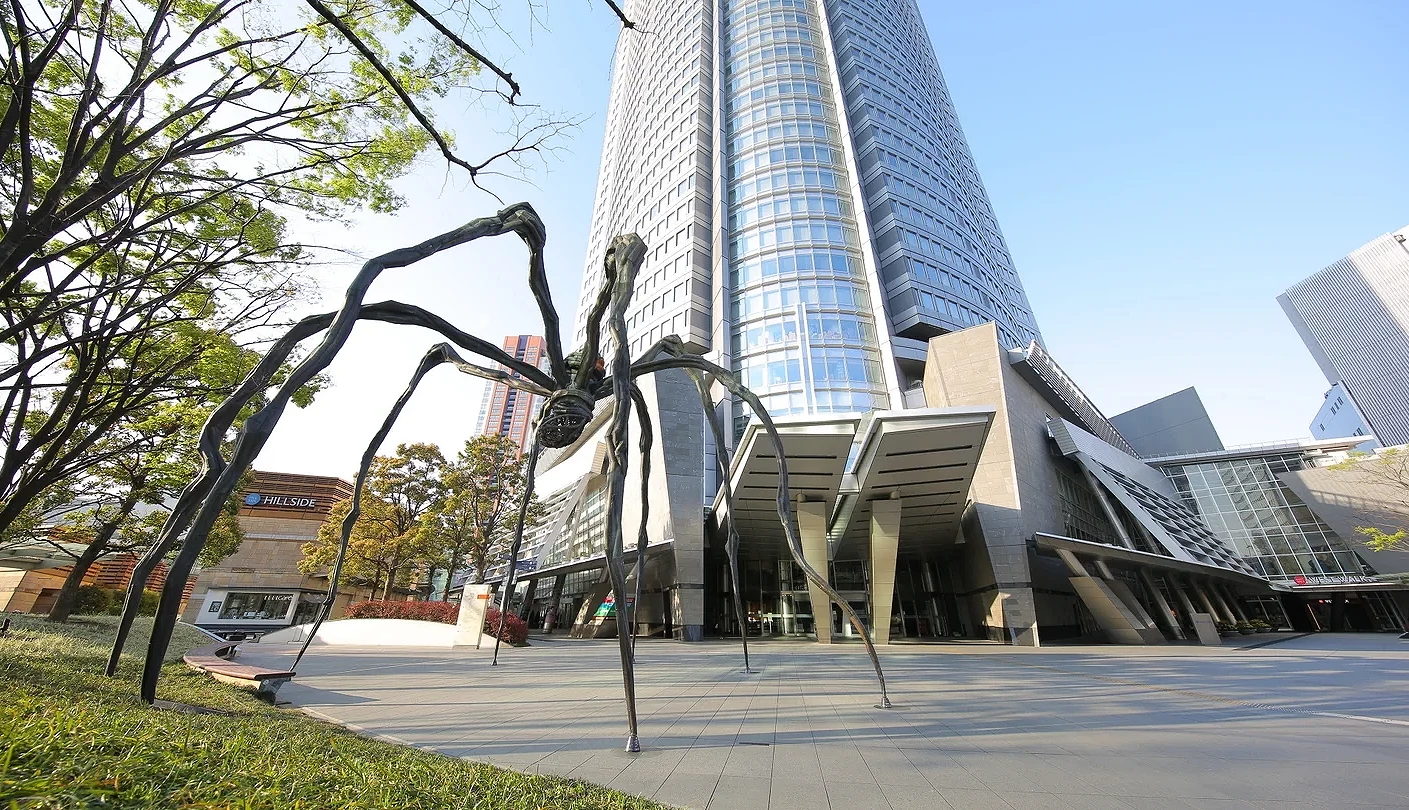
Located on the 53rd floor of the Roppongi Hills Mori Tower in Tokyo, the Mori Art Museum is one of Japan’s few contemporary art museums situated high above the city. It has no permanent exhibition and instead focuses on world-class special exhibitions exploring contemporary art, architecture, design, and social issues. Beside the museum entrance stands one of Roppongi’s landmarks, Louise Bourgeois’s giant spider sculpture “Maman,” a must-photo spot for many visitors.
Some windows inside the museum offer views of the city, but the main space is dedicated to artworks and does not provide a continuous panoramic or 360-degree view. For unobstructed views of Tokyo Tower and the cityscape, head to the “Tokyo City View” observation deck on the 52nd floor and enjoy both art and skyline views in one trip!
How to Get to the Mori Art Museum

The easiest way to reach the Mori Art Museum is to take the Tokyo Metro Hibiya Line to Roppongi Station. From Exit 1C, an underground passage connects directly to Roppongi Hills, so you can arrive without going outdoors, even on rainy days. Follow the signs to the museum’s dedicated entrance, “Museum Cone,” then go to the ticket counter on the 3rd floor to purchase or collect your ticket. Finally, take the elevator to the 53rd floor to begin your visit. If you are also planning attractions near other stations, refer to the table below:
| Line | Station / Exit | Walking Time | Nearby Attractions |
|---|---|---|---|
| Tokyo Metro Hibiya Line | Roppongi Exit 1C | About 3 minutes | Mohri Garden, TV Asahi |
| Toei Oedo Line | Roppongi Station Exit 3 | About 6 minutes | Asahi Shrine |
| Toei Oedo Line | Azabu-juban Station Exit 7 | About 9 minutes | Sony Music Roppongi Museum |
| Tokyo Metro Namboku Line | Azabu-juban Station Exit 4 | About 12 minutes | Azabu-juban Shopping Street |
| Tokyo Metro Chiyoda Line | Nogizaka Station Exit 5 | About 10 minutes | The National Art Center, Tokyo |
Mori Art Museum Opening Hours
The Mori Art Museum has long opening hours, making it convenient to shop during the day and visit exhibitions in the evening. However, note that it closes at 17:00 every Tuesday, although hours may occasionally be extended on certain public holidays or during specific exhibitions. If you want to stay into the evening for night views, avoid Tuesdays. The museum generally has no fixed closing day, but it may temporarily close between exhibitions, so check the official website before your visit.
| Opening Hours | Last Admission | |
|---|---|---|
| Monday Wednesday–Sunday | 10:00~22:00 | 21:30 |
| Tuesday | 10:00~17:00 | 16:30 |
※ On some weekends, holidays, or during summer vacation periods, the museum may open as early as 9:00 or extend its hours. Please refer to the official website for the latest information.
Mori Art Museum Tickets and Booking Guide
Separate Tickets for All Three Facilities; Museum Tickets Do Not Include the Observation Deck

The “Tokyo City View” observation deck, “Mori Arts Center Gallery,” and “Mori Art Museum” are all located in the Roppongi Hills Mori Tower but are separately ticketed facilities. A common source of confusion is that Mori Art Museum admission usually does not include the observation deck. If you want to enjoy Tokyo’s night views, you normally need to purchase a separate observation deck ticket. Limited combination tickets may occasionally be offered during special exhibitions, so check the ticket details before purchasing.
| Facility | Floor | What's Included |
|---|---|---|
| Mori Art Museum | 53F | Current Special Exhibition (Tickets usually include the concurrent small-scale MAM programs) |
| Tokyo City View | 52F | 360-degree Indoor Observation Deck |
| Mori Arts Center Gallery | 52F | High-profile themed special exhibitions (Separate from the Mori Art Museum; tickets are not interchangeable) |
Latest Mori Art Museum Ticket Prices and How to Buy
Mori Art Museum ticket prices vary depending on the current exhibition and whether you visit on a weekday or holiday, so there is no fixed admission fee. Actual prices should be confirmed on the official website. The table below uses the “Ron Mueck” exhibition as a reference(This exhibition runs through September 23, 2026):
| Ron Mueck Exhibition | Weekday Price (Online Price in Parentheses) | Holiday Price (Online Price in Parentheses) |
|---|---|---|
| Adults | JPY 2,300 (JPY 2,100) | JPY 2,500 (JPY 2,300) |
| High School and University Students | JPY 1,400 (JPY 1,300) | JPY 1,500 (JPY 1,400) |
| Junior High School Students and Younger | Free | Free |
| Ages 65 and Over | JPY 2,000 (JPY 1,800) | JPY 2,200 (JPY 2,000) |
Ticket Purchase Notes:
Advance reservations are required with date-and-time-specific tickets, so you must select a “date and time slot”
Booking online in advance is the safest option. If same-day slots remain, tickets can also be purchased at the ticket counter on the 3rd floor of Mori Tower
Online tickets are usually cheaper than purchasing at the counter (standard tickets are about JPY 200 less), and you can reserve your entry time in advance
Tickets cannot be canceled, changed, or refunded after purchase, so confirm the date and time before placing your order
Admission prices are not fixed and vary depending on the current exhibition and whether you visit on a weekday or holiday
Mori Art Museum Highlights
Special Exhibition Features and Famous Past Exhibitions
Special Exhibition Features

The Mori Art Museum has no permanent exhibition and operates through rotating special exhibitions, each with a different theme. After an exhibition ends, the museum closes temporarily while the next exhibition is installed. Its programs focus on international contemporary art and cover painting, sculpture, large-scale installations, video, photography, architecture, and design, with major solo exhibitions also held regularly. During the main exhibition period, visitors can often also see selected collection displays, video works, and other smaller programs. Because themes and ticket prices vary from one exhibition to another, check the current exhibition before visiting to make sure it matches your interests.
Famous Past Exhibitions
For many years, the Mori Art Museum has organized international-scale contemporary art exhibitions, ranging from immersive installations and intergenerational group shows to solo exhibitions by world-famous artists. Each combines cultural buzz with artistic depth and attracts visitors who come specifically to see the show. The following exhibitions illustrate the scale of its curation and how photogenic the museum can be:
Chiharu Shiota: The Soul Trembles (2019)

Held in 2019, “Chiharu Shiota: The Soul Trembles” was the artist’s largest retrospective at the time. Vast webs of red and black thread transformed the galleries, accompanied by installations featuring boats, keys, beds, and other objects. Exploring memory, life, and existence, the exhibition delivered a deeply immersive experience and became one of the Mori Art Museum’s most representative shows.
STARS: Contemporary Art Stars (2020)

The 2020 “STARS” exhibition brought together six leading figures in Japanese contemporary art: Yayoi Kusama, Yoshitomo Nara, Takashi Murakami, Lee Ufan, Hiroshi Sugimoto, and Tatsuo Miyajima. Through representative works, new pieces, and large-scale installations, the exhibition traced the development of contemporary art in Japan and became one of the classic exhibitions for understanding the country’s contemporary art scene.
Louise Bourgeois: Giant Spider Series (2024)

The “Louise Bourgeois” exhibition was her largest solo exhibition in Japan in 27 years, featuring sculpture, installation, painting, and print works. The famous giant spider series “Maman,” together with profound interpretations of family, motherhood, trauma, and healing, created a powerful emotional impact.
Ron Mueck: Hyperreal Human Sculpture Exhibition (2026)

The “Ron Mueck” exhibition is known for hyperrealistic human sculptures with astonishingly lifelike details in skin, hair, and wrinkles. By presenting figures at scales far larger than life or extremely small, the works create a strong visual impact and encourage viewers to reconsider life, emotion, and human existence. It is one of the most talked-about special exhibitions in recent years.
Mori Art Museum Shop
The Mori Art Museum Shop is a treasure trove for contemporary art fans. In addition to the shop beside the exhibition galleries on the 53rd floor, there is another shop on the 3rd floor that can be visited without an admission ticket. The shops offer a carefully selected range of exhibition catalogs, artist collaboration merchandise, and original design items with distinctive aesthetics.
Nearby Attractions
Roppongi Hills Observation Deck (Tokyo City View)

The “Roppongi Hills Observation Deck (Tokyo City View)” is located on the 52nd floor of Mori Tower at an elevation of about 250 meters. Its massive glass walls, around 11 meters high, provide 360-degree views across Tokyo. Thanks to its excellent location, you can see Tokyo Tower, Tokyo Skytree, and the surrounding cityscape from an ideal eye-level perspective, and on clear days Mount Fuji is also visible in the distance. After sunset, it becomes one of Tokyo’s best-known night-view spots and stays open late, making it ideal to arrive in the evening and enjoy both daytime and nighttime scenery. The same floor also has the café and restaurant THE SUN & THE MOON, where you can dine or have coffee while enjoying the view.
Opening Hours: 10:00–22:00 (No fixed closing day, but temporary closures may occur during event changeovers)
Fee: Please refer to the online ticketing information
Public Art and Mohri Garden

Don’t rush to leave after visiting the Mori Art Museum—Roppongi Hills itself feels like an open-air museum! Nearly 20 public artworks by world-class artists are scattered throughout the complex, making it fun to walk around and take photos. Continue down to Mohri Garden, a peaceful Japanese garden that preserves traces of an Edo-period feudal lord’s residence. Filled with greenery, it is especially popular for cherry blossoms in spring. The artwork “Kin no Kokoro (Golden Heart)” in the garden was created by Jean-Michel Othoniel to celebrate the 10th anniversary of Roppongi Hills. Countless gold-plated bronze beads form a heart-shaped curve that appears to create a continuous infinity symbol (∞) as your viewing angle changes.
Roppongi Art Triangle

Roppongi is home to three major museums—the Mori Art Museum, The National Art Center, Tokyo, and the Suntory Museum of Art—officially known together as the “Roppongi Art Triangle.” The three museums form a triangle and are about a 15–20 minute walk from one another, making it easy to enjoy exhibitions of different styles in a single day. If you have a current exhibition ticket stub from one museum, you may also be eligible for discounted admission to the other two through the official “Artro Discount” program. Actual discount details should be confirmed on each museum’s official website.
| Museum | Exhibition Focus | Nearest Station |
|---|---|---|
| Mori Art Museum | Contemporary Art Special Exhibitions | Roppongi Station (Direct access from Exit 1C) |
| The National Art Center, Tokyo | Large-Scale Special Exhibitions (One of Japan’s largest exhibition spaces) | Nogizaka Station (Direct access from Exit 6) |
| Suntory Museum of Art | Traditional Japanese Art (Located inside Tokyo Midtown; designed by Kengo Kuma) | Roppongi Station (Near Exit 8) |
In addition to outstanding exhibitions, many museums in Tokyo are architectural masterpieces in their own right, perfectly blending art, space, light, and shadow. The buildings alone are worth making a special trip to see. Save the next guide as well so you don’t miss any of these architectural art landmarks!
After reading this introduction to the Mori Art Museum, are you ready to plan an art-focused trip to Roppongi? Check the next guide for a deeper look at popular Roppongi restaurants and recommended places to stay, making it easy to plan either a day trip or a two-day, one-night itinerary!
If you could visit only one contemporary art museum in Tokyo, the Mori Art Museum would definitely deserve a place on your itinerary. From international-scale special exhibitions and world-famous architectural spaces to high-rise views over the Roppongi cityscape, every visit brings a different surprise. Use this guide to plan your transportation, tickets, and route, then combine the museum with nearby public art, food, and night views for the complete Roppongi art experience!
Frequently Asked Questions About Visiting the Mori Art Museum
1. Does the Mori Art Museum Have Regular Closing Days? What Are Its Opening Hours?
The Mori Art Museum is generally open year-round, but it may close under special circumstances such as exhibition changeovers. Opening hours are usually 10:00–22:00, while Tuesdays are 10:00–17:00 (last admission is 30 minutes before closing). Actual hours may vary by exhibition, so check the relevant exhibition information.
2. How Long Should I Spend at the Mori Art Museum? Does a Mori Art Museum Ticket Include the Observation Deck?
A typical visit takes around 1.5–2 hours, although you may want to stay longer if you examine the works closely. Admission to Tokyo City View depends on the ticket type and current exhibition, and not all Mori Art Museum tickets include access to the observation deck.
3. Can I Take Photos Inside the Mori Art Museum?
Photography rules vary by exhibition. Most galleries allow photography without flash, but some works cannot be photographed due to copyright restrictions or conservation requirements. Follow the on-site signs and staff instructions.
4. Does the Mori Art Museum Have Lockers for Luggage?
Coin-operated lockers are available for backpacks, coats, and other personal items. If large luggage does not fit in a locker, ask the service counter whether storage is available. Space is limited, so it is recommended to leave large luggage at a station beforehand.
5. Does the Mori Art Museum Offer Chinese or Other Foreign-Language Explanations?
Yes. The Mori Art Museum provides information in English, and some exhibitions also offer Traditional Chinese, Simplified Chinese, and Korean explanations. Depending on the exhibition, you can learn about the works through official guides, exhibition brochures, or mobile audio guides.
6. Is the Mori Art Museum the Same as teamLab?
No. The Mori Art Museum is a museum focused on contemporary art exhibitions, while teamLab is a well-known Japanese digital art collective. They are separate organizations. teamLab operates independent immersive museums in Tokyo and has no direct institutional affiliation with the Mori Art Museum.