
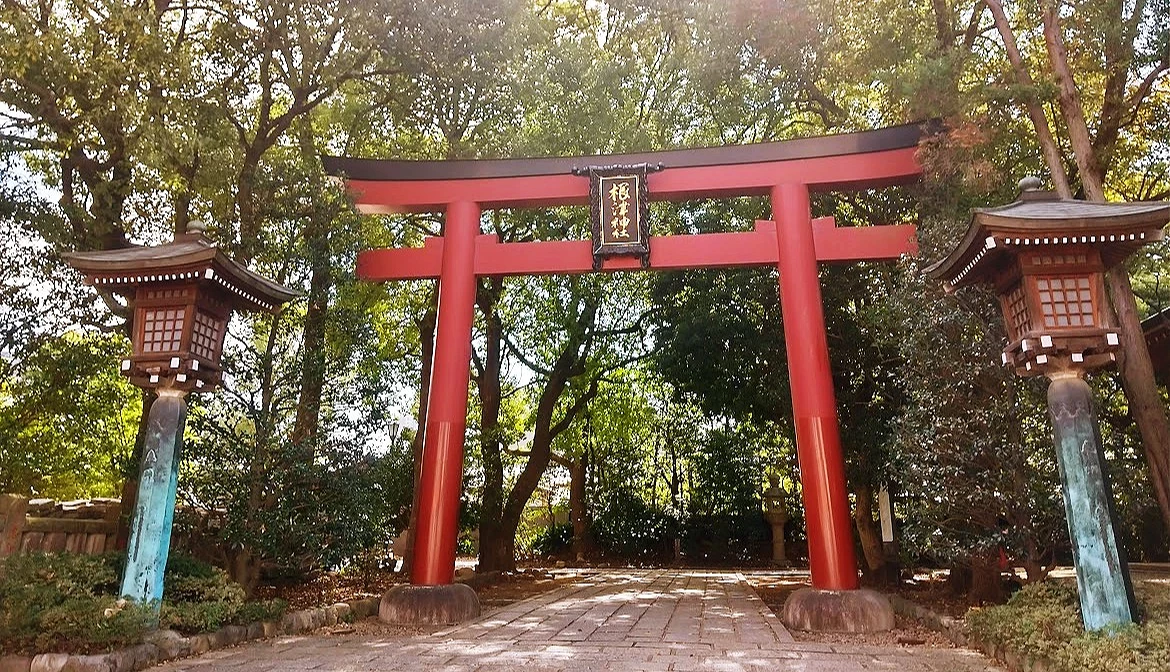
Nezu Shrine, one of the Tokyo Ten Shrines, is home to seven Gongen-zukuri shrine buildings designated as Important Cultural Properties of Japan. The Thousand Torii Gates at Otome Inari Shrine and the Bunkyo Azalea Festival in April are must-see highlights, and the shrine is also an essential stop on a Yanesen walking tour. This guide covers Nezu Shrine's top sights, sacred items, seasonal events, and more.
Located in Nezu, Bunkyo Ward, Tokyo, Nezu Shrine is said to have been founded about 1,900 years ago by Yamato Takeru and was historically known as “Nezu Gongen.” It is also one of the Tokyo Ten Shrines. The spacious grounds preserve a complete group of Edo-period shrine buildings, with the current structures built in 1706 under the fifth shogun, Tokugawa Tsunayoshi. Adjacent to the old downtown neighborhoods of Yanaka, Nezu, and Sendagi—collectively known as “Yanesen”—the shrine is about a 5-minute walk from the subway and makes an ideal starting point for exploring the area.

Deities Worshipped at Nezu Shrine and Common Blessings
The principal deities of Nezu Shrine are Susanoo-no-Mikoto, Oyamakui-no-Mikoto, and Hondawake-no-Mikoto. Common prayers include protection from misfortune, good luck, matchmaking, academic success, and business prosperity. Otome Inari Shrine within the grounds is especially famous for matchmaking, attracting many female worshippers seeking good relationships.
Recommended Reading:[2026 Tokyo Independent Travel]The Ultimate Tokyo Itinerary Planner: Attractions, Transport, Accommodation, Costs & Tips to Avoid Pitfalls
Nezu Shrine Visitor Information
The area outside Nezu Shrine's Karamon Gate is open all day and can be visited free of charge. Even after the gate closes, visitors may still worship from outside, and the main areas of the grounds are illuminated. Access inside the Karamon Gate and the counters for omamori and goshuin is limited to specific hours, which vary by season, so checking the official website in advance is recommended. If the reception counter has closed but the Karamon Gate is still open, you may use the intercom to make an inquiry. A typical visit takes about 30–60 minutes. During the April Azalea Festival, admission to the Azalea Garden requires a contribution of ¥500–¥1,000, while children age 12 and under enter free.
Nezu Shrine Opening Hours
Karamon Gate Hours: 【June–August】5:00–18:00; 【April, May, September】5:30–18:00; 【March】6:00–18:00; 【October】5:30–17:30; 【February】6:00–17:30; 【November–January】6:00–17:00
Shrine Office: 【March–September】9:30–17:30; 【November–January】9:30–16:30; 【February, October】9:30–17:00
(The shrine office opens earlier at 9:00 on Sundays and national holidays)
Address: 1-28-9 Nezu, Bunkyo, Tokyo
Transportation to Nezu Shrine

Nezu Shrine is near Nezu Station and Sendagi Station on the Tokyo Metro Chiyoda Line, both about a 5-minute walk away. It is also about 5 minutes from Todaimae Station on the Namboku Line and about 10 minutes from Hakusan Station on the Toei Mita Line. Another recommended option is to walk from Nippori or Ueno, combining the historic streets of Yanesen with a visit to Nezu Shrine.
| Departure Point | Route | Travel Time | IC Card Fare |
|---|---|---|---|
| Tokyo Station | Marunouchi Line → Otemachi Transfer to the Chiyoda Line → Nezu Station | About 16 minutes | About ¥178 |
| Ueno | On Foot | About 15–20 minutes | Free |
| Ueno Station | Yamanote Line → Nishi-Nippori → Chiyoda Line → Nezu Station | About 16 minutes | About ¥333 |
| Nippori | Walk via Yanaka Ginza Shopping Street | About 20 minutes | Free |
Must-See Highlights at Nezu Shrine
Romon Gate and Seven Important Cultural Properties

Nezu Shrine's Gongen-zukuri complex was completed in 1706. Seven buildings—the Main Sanctuary, Heiden Hall, Worship Hall, Karamon Gate, West Gate, Sukibei Wall, and Romon Gate—are all designated Important Cultural Properties of Japan. It is rare for such a complete collection of Edo-period architecture to survive intact, and the Romon Gate is one of the shrine's most photogenic highlights.
Otome Inari Shrine and the Thousand Torii Gates

Along the approach to Otome Inari Shrine, rows of vermilion torii gates form a rare “Thousand Torii” scene in central Tokyo. According to tradition, walking through them from north to south is believed to ward off evil. The approach has both upper and lower paths, offering different views of the torii gates and shrine buildings. During the April azalea season, the combination of vermilion torii gates and colorful flowers becomes an especially popular photo composition.
Wish-Making Kaya Tree and the White Snake Legend

The sacred “Wish-Making Kaya Tree” within the shrine grounds is said to be home to a white snake, believed to be a messenger of the deities. Making a wish to the tree is said to bring divine protection. Ema plaques and fortune slips hang around the tree, making it one of Nezu Shrine's popular prayer spots. Visitors hoping for their wishes to come true can also receive a “White Snake Omamori” at the shrine office for good fortune.
Stone of Literary Masters and Literary Heritage Sites
Nezu Shrine is close to the University of Tokyo and has deep connections with Japanese literature. Works such as Natsume Soseki's “Michikusa” and Mori Ogai's “Youth” mention “Nezu Gongen.” The grounds also feature the Stone of Literary Masters and the Mori Ogai Inscription Stone, while nearby is “The Dancer's House,” the former residence where Mori Ogai wrote “The Dancing Girl.” Literature enthusiasts will find plenty to explore.
Seasonal Events at Nezu Shrine
April: Bunkyo Azalea Festival (Spring Only)

Nezu Shrine's “Azalea Garden” contains around 3,000 azalea plants representing about 100 varieties and is one of Tokyo's best-known azalea-viewing destinations. It opens only during the Azalea Festival, with an admission contribution of ¥500–¥1,000; children age 12 and under enter free. Because early-, mid-, and late-blooming varieties are mixed together, the best viewing period is usually around mid-April. From the small hill inside the garden, visitors can also enjoy a distinctive elevated view of the Romon Gate. Food stalls, traditional performances, and limited-edition goshuin are also available during the festival.
Azalea Garden
2026 55th Festival Period: April 1–April 30
Note: Dates vary each year. Please refer to the official website for the latest information.
July–August: Pinwheel Festival (Summer Festival)

From July 1 to August 31 each year, the approach to Komagome Inari Shrine within Nezu Shrine is decorated with hundreds of colorful pinwheels. Because the enshrined deity is associated with wind, the pinwheels symbolize the wind blowing away impurity and helping things move in a positive direction. During the festival, visitors can purchase a “Wish-Making Pinwheel” at the shrine office, blow on it three times while making a wish, and either dedicate it at the shrine or take it home. Limited-edition kirie paper-cut goshuin are also offered.
Dates: July 1–August 31
Note: Dates vary each year. Please refer to the official website for the latest information.
September: Annual Grand Festival (2026 Is a Shinkosai Year)

Nezu Shrine's Annual Grand Festival dates back to the Edo period. The sixth shogun, Tokugawa Ienobu, established September 21 as the regular festival date, and in 1714 the entire city of Edo participated with festival floats. Together with the Sanno Festival and Kanda Festival, it became known as one of the great “Tenka Festivals.” The formal annual festival is held every September 21, while the surrounding weekends feature food stalls and traditional performances such as the “Three Sacred Dances,” Urayasu Dance, and Gongen Taiko drumming. The shrine's mikoshi procession takes place only once every four years during the “Shinkosai,” and 2026 is one of those special years.
Annual Festival Ceremony: September 21
Annual Grand Festival Events: September 26–27
Shinkosai: September 27, 9:00–16:00
Note: Please refer to official information for exact dates and event times.
Nezu Shrine Omamori and Goshuin
Three Limited Omamori at Nezu Shrine

Nezu Shrine offers a wide variety of omamori. Among the most representative are the “Thousand Torii Omamori” (¥2,000), designed after the shrine's torii gates; the “White Snake Omamori” (¥700), which includes a small ceramic white snake inspired by the legend of the Wish-Making Kaya Tree; and the “Wind Omamori” (¥1,000), associated with the wind deity of Komagome Inari Shrine. The White Snake Omamori is released in limited quantities beginning on the 15th of each month until sold out. Distribution periods may change, so please refer to on-site announcements.
Azalea-Themed and Other Sacred Items
During the Azalea Festival, Nezu Shrine releases several limited-edition sacred items. Past offerings have included the “Azalea Happiness Bell Omamori,” black and white azalea drawstring omamori, and azalea-patterned ema plaques. Other charms are available for traffic safety, safe childbirth, academic success, and more. The slim “Hada Omamori” is also easy to carry in a wallet.
| Azalea Happiness Bell Omamori | ¥700 Each |
|---|---|
| Azalea Drawstring Omamori | ¥800 Each |
| Azalea-Patterned Ema | ¥700 |
| Hada Omamori | ¥300 |
※ Fees (hatsuho-ryo offerings) may change. Please refer to on-site announcements.
Goshuin and Goshuincho
Nezu Shrine currently issues goshuin in a “prewritten paper” format, so you can receive one even without a goshuincho. Reception hours are the same as the shrine office, with the latest closing time at 17:30 depending on the season. Otome Inari Shrine and Komagome Inari Shrine within the grounds also offer their own goshuin. During the Azalea Festival, New Year visits, and summer pilgrimage periods, limited-edition kirie paper-cut goshuin may also be available. Original goshuincho designs feature either scenery from the shrine grounds or the shrine crest.
Attractions Near Nezu Shrine
Nezu Shrine is located in the Yanesen area. After worshipping, you can continue directly into the old downtown streets of Yanaka, Nezu, and Sendagi to enjoy nostalgic scenery and local daily life. To extend your itinerary, walk south toward Ueno and connect museums, the zoo, and cherry blossom attractions for an easy full-day walking route.
Yanesen

After visiting Nezu Shrine, continue on foot through “Yanesen,” linking the nostalgic streets of Yanaka, Nezu, and Sendagi. Along the way, you can experience Showa-style coffee shops and cat-themed streetscapes, visit the Yuyake Dandan Steps and Yanaka Ginza Shopping Street, and sample local snacks while strolling.
Ueno Park

Nezu Shrine is located north of Ueno, making it easy to head south after your visit. Ueno is about a 15–20 minute walk away or can be reached by subway. The area includes popular attractions such as the Tokyo National Museum and Ueno Zoo and is also one of Tokyo's best-known cherry blossom destinations, making it easy to combine with Nezu Shrine in a one-day itinerary.
One-Day Trip Along the Chiyoda Line

Nezu Shrine is close to Nezu Station on the Tokyo Metro Chiyoda Line, so you can easily continue your day trip along the line after visiting. Popular areas such as Omotesando and Meiji-jingumae are directly accessible, allowing you to combine shrines, shopping, and food destinations across central Tokyo according to your itinerary.
Nezu Shrine offers not only historic shrine buildings and the Thousand Torii Gates, but also colorful azaleas in spring. From the shrine, you can also walk through Yanaka and Sendagi and continue to Ueno. Whether you are visiting Tokyo for the first time or want to explore traditional downtown neighborhoods, the area is ideal for a relaxed half-day or full-day outing.
Nezu Shrine FAQ
1. What Do People Pray for at Nezu Shrine?
The principal deities of Nezu Shrine are Susanoo-no-Mikoto, Oyamakui-no-Mikoto, and Hondawake-no-Mikoto. The shrine is known for prayers for protection from misfortune, good luck, matchmaking, academic success, and business prosperity. The Wish-Making Kaya Tree and Otome Inari Shrine within the grounds are also popular prayer spots.
2. Is There an Admission Fee to Visit Nezu Shrine?
Worship at Nezu Shrine is free, and visitors can come throughout the year. The Thousand Torii Gates at Otome Inari Shrine are also free to visit. Only during the annual Azalea Festival is a contribution of ¥500–¥1,000 required to enter the Azalea Garden; children age 12 and under enter free.
3. What Is the Best Time of Day to Visit Nezu Shrine?
If you want to worship and also purchase omamori or receive goshuin, it is recommended to arrive before 3:00 p.m. The shrine office stays open as late as 17:30, though hours vary by season. Even after the Karamon Gate closes, worship is still possible from outside the gate. If you want to fully explore the grounds, arriving earlier is recommended.
4. Nezu Shrine Omamori Come in Many Colors. Do the Colors Have Different Meanings?
According to Nezu Shrine, the colors of its omamori do not carry different special meanings, so you can simply choose the color you like best. It is also fine to keep several charms in the same omamori pouch or carry omamori from different shrines at the same time. There is no need to worry about the charms “conflicting” with one another.